Puy du Fou Rides: Shows, Villages and What Suits Each Age
Puy du Fou is built on live shows and walkthrough villages rather than roller coasters. See what each experience offers and who it suits.
On this page
Puy du Fou is a theme park where the cast does the work that coasters do elsewhere: its attractions are live shows and walkthrough villages rather than high-speed hardware. That makes it an easy sell for mixed-age groups and a strange one for teenagers chasing inversions, so it pays to know what you are booking before you pick a date. The park sits at Les Epesses in the Vendée, between the Atlantic coast and the Loire châteaux, and the wider Puy du Fou guide covers the estate as a whole.
Plan around the day programme rather than a queue board. Shows run to fixed times, several are staged outdoors in large arenas, and the order you see them in shapes the whole visit. A show-and-walkthrough park rewards a running order built the night before far more than it rewards rope-drop sprinting.
What kind of park Puy du Fou is
The attraction inventory is theatrical: staged battles, arena spectacles, period villages you move through on foot, and large-scale evening productions. Dark Ride Database describes the park's attractions as built around live actors, with shows and walkthroughs making up the line-up, which is the clearest single signal that you are not coming here for coaster credits.
That has practical consequences. Capacity lives in auditoriums and grandstands, so a full park day feels different from a queue-heavy coaster day: you commit to a time slot and sit, then move on. Arriving late costs you a show, not a place in a line, so treat the programme as a timetable you are booking yourself into.
How to structure a day around show times
Collect the day's programme on arrival, either printed or in the park's own application, which Puy du Fou promotes as the way to organise your visit and explore the park with an interactive map. Write down the fixed show times first, then fit walkthrough villages into the gaps between them, because villages are the flexible element you can stretch or cut.
Work backwards from the last big arena show you want to see and anchor the afternoon to it. Shows usually want you seated well before start time, so leave a buffer rather than chaining two fixed-time productions back to back across opposite ends of the park. If you are visiting on a tight schedule, the Puy du Fou map helps you group villages and venues by area.
The headline shows and what each one delivers
Le Grand Tour is the production Puy du Fou promotes as a 4,000-kilometre show, a large-scale production built on movement and staging rather than a ride vehicle. Read its official page for the story it tells and how it fits the day, and treat it as a fixed appointment when you draft your running order.
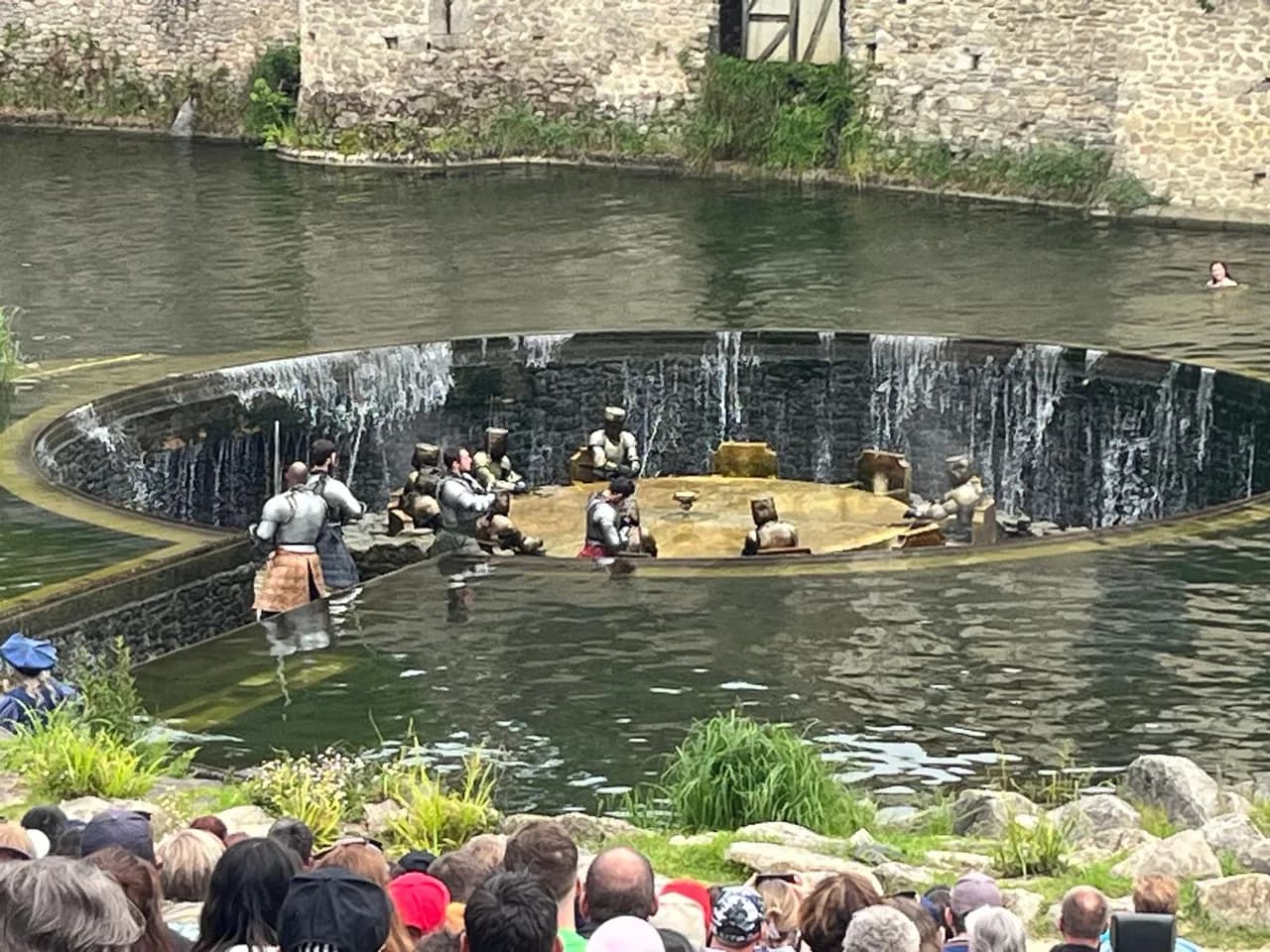
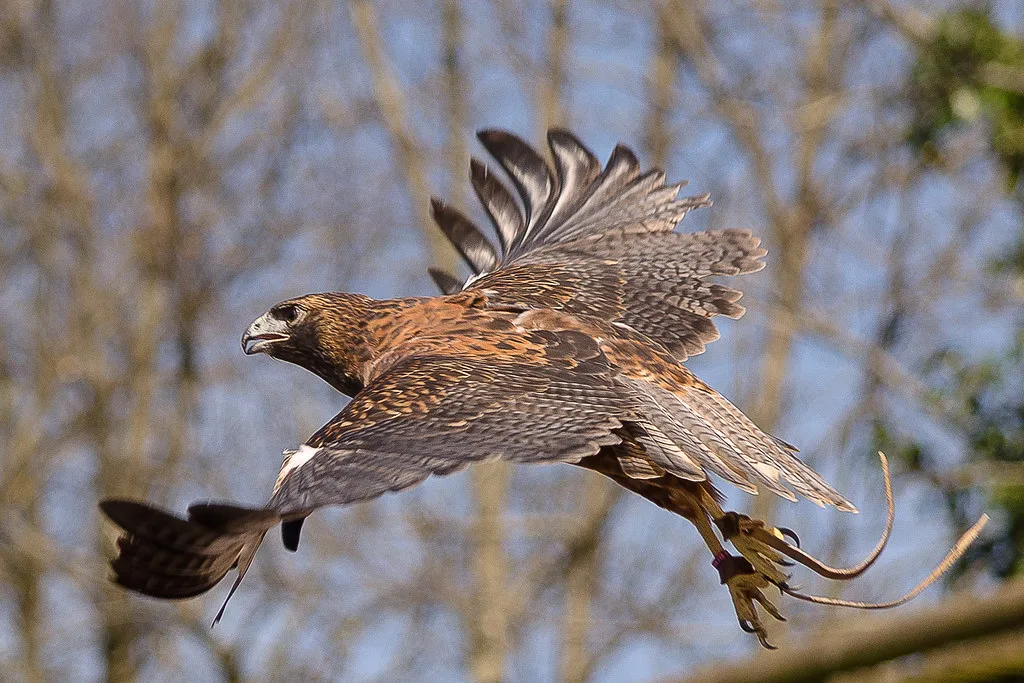
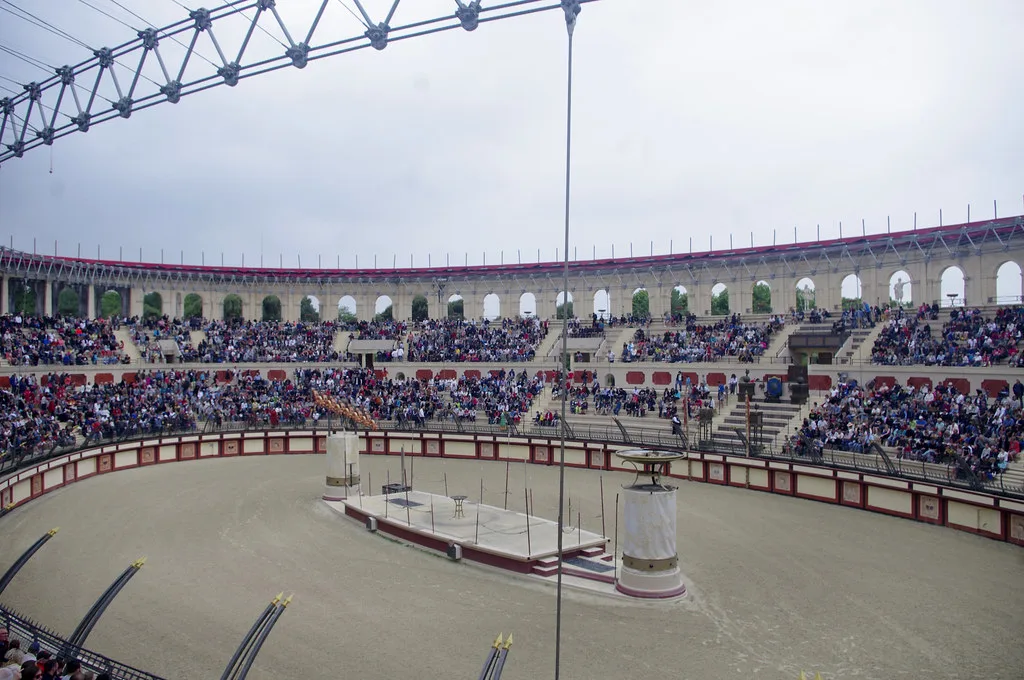
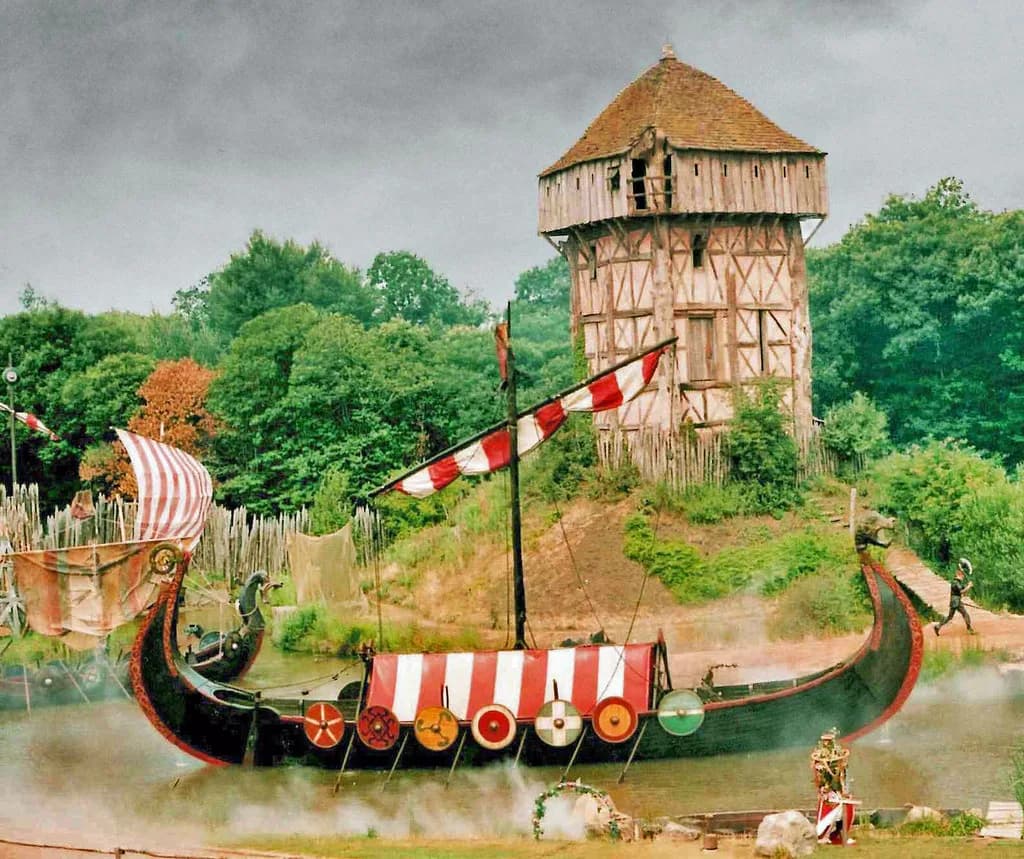
Beyond that, the park's reputation rests on its arena productions: battle recreations with animals and stunt work, Viking-set spectacle, and Roman-era staging. These are the experiences that justify a full day and, for many visitors, a second day. Because they are shows rather than rides, the question is not whether you are brave enough but whether the subject matter holds a seven-year-old's attention for the run time.
Seating position matters more than speed here. In large outdoor arenas the central blocks give the fullest view of the staging, while covered seating is worth taking when the forecast is uncertain. The Puy du Fou weather page covers how rain and wind tend to affect outdoor productions.
Walkthrough villages and immersive areas
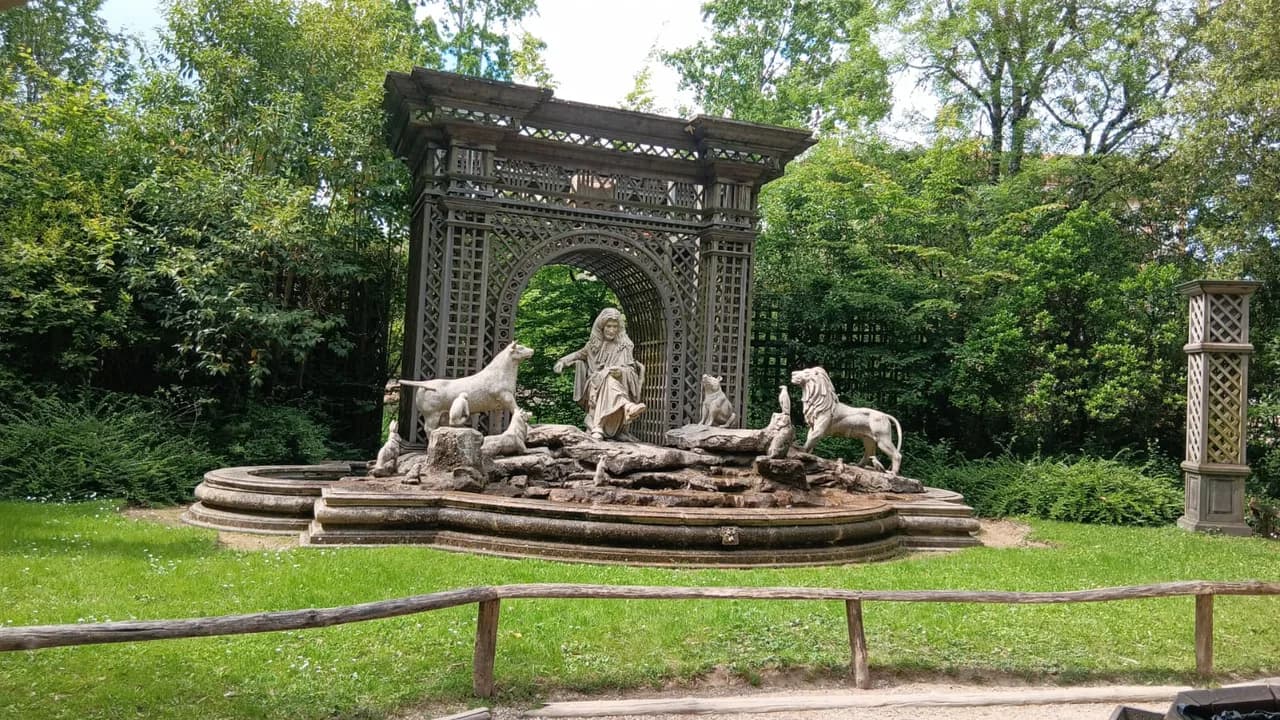
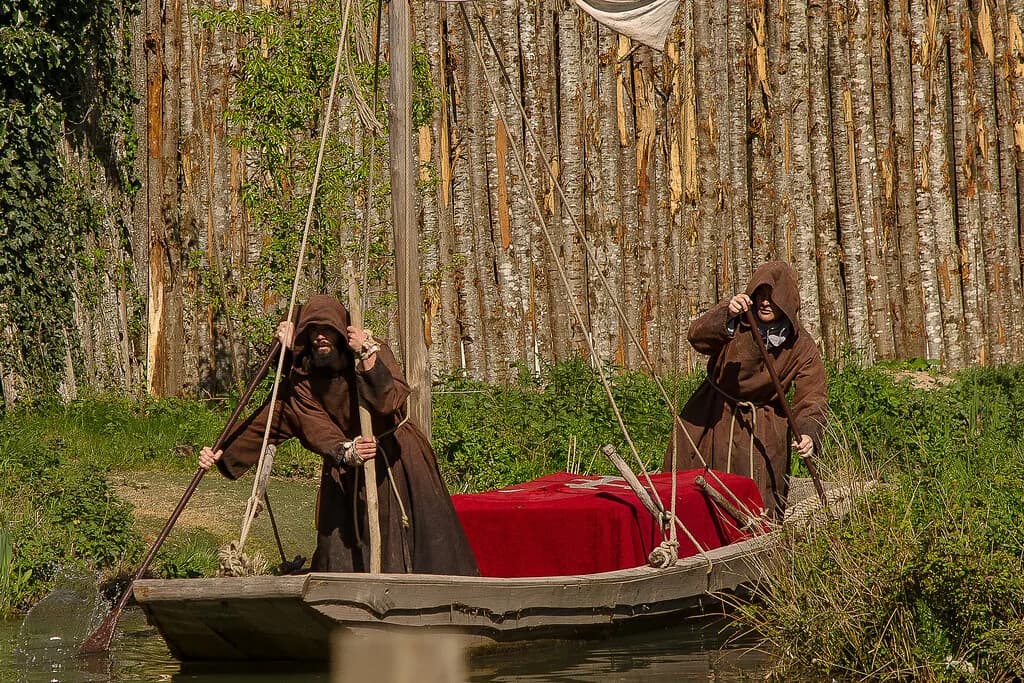
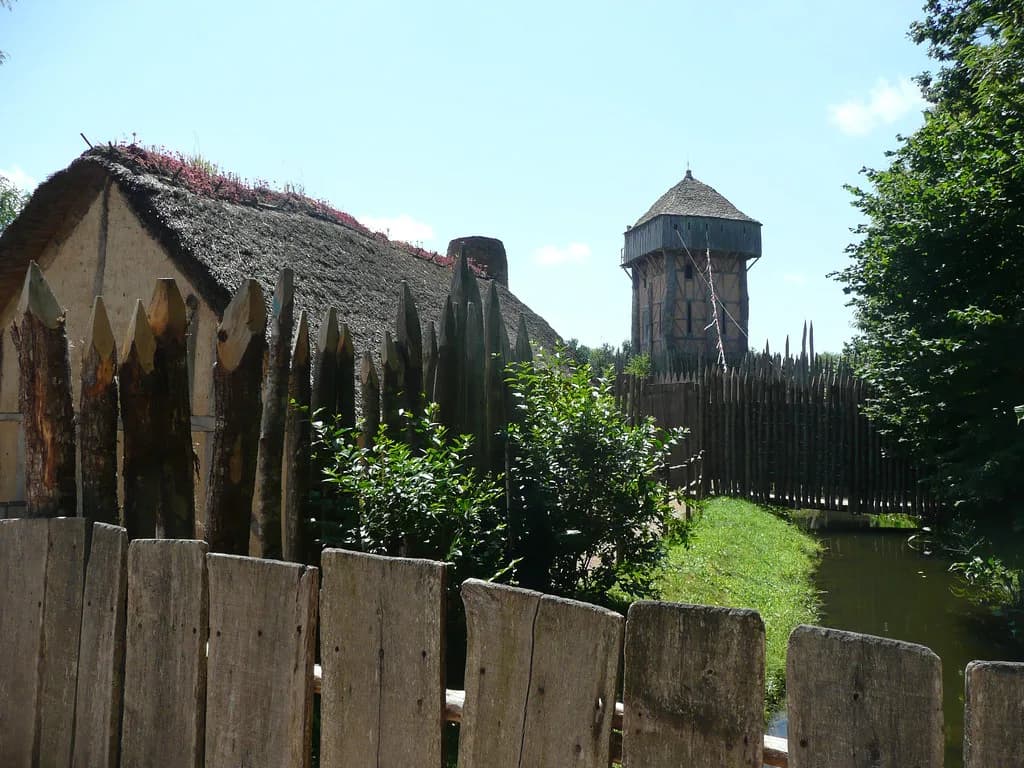
The villages are the connective tissue of a Puy du Fou day: reconstructed period streets and settlements you wander through at your own pace, with craft displays and costumed characters in role. They absorb crowds well because there is no single entry point or seat count, which makes them the right choice when the next show is an hour away.
Treat villages as the flexible half of the day and the arenas as the fixed half. A workable rhythm is one village, one show, one village, one show, with a longer stop for lunch in the middle. Families with small children often do better cutting one show and lingering in a village than sprinting between all of them.
Which experiences suit younger children and families
Families do well here because nothing demands a height check at the gate. The gentlest picks are the walkthrough villages, the animal-led displays and any production with clear visual storytelling; sit near the front of the family blocks so smaller children can follow faces and movement rather than watching from a distance. Long arena shows are the main risk, so break up the day with a village wander.
Check each show's suitability before committing the whole family to a seat. Battle scenes with loud effects and animals can unsettle very young children, and stadium seating means an early exit is awkward once a production starts. The Puy du Fou guide covers the broader family-planning picture, including how to pace a two-day visit.
Which experiences suit teens and thrill-seekers
Be honest with a coaster-focused teenager: the thrill here comes from scale and staging rather than G-force. The arena battles, stunt work and evening spectacle deliver spectacle, but there is no inversion count to compare at the end of the day. If the group wants white-knuckle hardware, pair a Puy du Fou day with a Paris park day and read the Disneyland Paris rides or Parc Astérix rides breakdowns before booking.
For teenagers who enjoy theatre, history or filmcraft, the park lands differently: the behind-the-scenes logic of how a battle is staged becomes the attraction. Give them the running order to manage and let them choose the arena seats. That tends to land better than shepherding them between shows.
The night show and evening entertainment
The evening production is a distinct experience from the daytime programme, staged on a grand scale as darkness falls. Because it runs late and sits at the end of a long day, it is the single strongest argument for staying overnight rather than driving back to a coastal base. Build the day so the afternoon is lighter if you intend to stay for it.
On-site accommodation keeps the evening straightforward. Puy du Fou hotels sit within the estate, so you are not negotiating country roads after a late finish. Check what each hotel includes, such as breakfast and any early access to the park, before you compare rates.
Language and accessibility for English-speaking visitors
Shows are performed in French, and the park caters to international visitors with translated support; Puy du Fou's site runs in English alongside French, Spanish, German and Dutch. For non-French speakers the visual staging carries most productions, but the dialogue-heavy scenes lose nuance. Pick the productions with the strongest physical spectacle if language is a concern, and use the English site to read up on each show beforehand.
Accessibility provision, reduced-mobility seating in the arenas and the practicalities of getting around the estate with a wheelchair or pushchair are covered on the Puy du Fou accessibility page.
How many days you need to see the main shows
Two days is the comfortable answer for a first visit: one day for the headline arenas and one for the villages, smaller productions and a relaxed pace. A single day works only if you accept that you are choosing a handful of shows rather than seeing everything, and that choice is easier if you fix your must-sees before arrival.
If you are adding the evening production and want a slower morning, three days lets you spread the arenas out and still spend real time in the villages. The best time to visit page covers how the calendar and school holidays affect which days are busiest.
Tickets, dated versus flexible entry and where to buy
Tickets are sold through Puy du Fou's own site, and the rates and calendar pages are where the current pricing and open dates live. Buy direct so that any change to your visit is handled by the park itself. The Puy du Fou tickets page breaks down the ticket types and what each one includes.
Dated entry is the norm for a show-led park because capacity is planned around performance schedules. If your dates are fixed, book once you have chosen your day; if you are still deciding, look at the calendar before committing. The booking system on the official site handles the transaction and confirms what your chosen date includes.
Where to stay: on-site hotels and nearby options
Staying on the estate is the simplest way to handle a late evening show and an early start. Puy du Fou promotes its own hotels as part of the experience, with themed accommodation on site. Compare what each property includes before booking, then look at hotels near the park if you want a different price point or a base for exploring the Vendée coast.
Getting to Puy du Fou by car, train and shuttle
The park sits near Les Epesses in the Vendée, reached by road from the Atlantic coast and the Loire Valley. Puy du Fou publishes a dedicated how-to-get-there page covering routes, and it is the page to trust for current access arrangements. Driving is the most flexible option for families, but you need to plan the late-evening return if you are not staying on site.
Rail plus a connecting transfer works for visitors basing themselves in a larger city, and La Rochelle is a useful coastal anchor for a wider trip. Check the transfer arrangements for your date rather than assuming a shuttle runs every day of the season.
Quieter versus busier days and the official calendar
The park's own calendar is the authority on which days it operates and when demand peaks. School holidays, especially French ones, and weekend evenings fill the arenas fastest. Midweek dates outside holiday periods are the quieter choice, and they also make it easier to get good seats at the headline shows.
The Puy du Fou opening times page explains how the season is structured and what a standard day looks like once you are inside.
Seasonal events and when the park operates
Puy du Fou runs a range of seasonal programming alongside its main season, with Halloween and Christmas periods among the best known. Dates change year to year, so use the official calendar for the year you are travelling rather than relying on last season's pattern. The Puy du Fou Halloween and Puy du Fou at Christmas pages cover those periods.
For food, the park runs themed restaurants inside the villages and on the estate. Puy du Fou food covers the options and the practicalities of eating around show times.
Plan Your Visit
Book the date first, then build the running order: pick two or three headline arena shows, slot the villages between them, and leave the evening free if you are staying over. Buy through the official site so your chosen date and any changes are handled by the park, and use the Puy du Fou tickets page to compare what each ticket includes.
Check the official day programme on the morning of your visit for live show times, then enjoy a park that rewards planning rather than sprinting.
Explore more Puy du Fou guides
Frequently Asked Questions
Are there rides at Puy du Fou?
Not in the roller-coaster sense. The attractions are live shows, arena spectacles and walkthrough period villages, with the emphasis on staging and live actors rather than ride hardware. If your group expects coasters, plan a separate park day for that.
Is Puy du Fou worth it if you don't speak French?
Yes for the spectacle-led shows, which rely heavily on staging, movement and animals rather than dialogue. Dialogue-heavy productions lose nuance without French, so prioritise the visually driven arenas and read up on each show on the English version of the official site before you go.
How many days do you need at Puy du Fou?
Two days covers the headline shows plus the villages at a comfortable pace. One day only works if you pick a handful of must-sees in advance, and three days lets you slow down and add the evening production without rushing the daytime programme.
Where is Puy du Fou?
The park is at Les Epesses in the Vendée, in the Pays de la Loire region of western France, between the Atlantic coast and the Loire Valley châteaux. It is reached by road, with La Rochelle a useful coastal base for a wider trip.
What is the best show at Puy du Fou?
Le Grand Tour is the production promoted most heavily, and the large arena battles are the other headline draw. Which one lands best depends on your group: families tend to prefer the animal-led and visually clear productions, while older visitors often rate the biggest set-piece battles highest.
Do I need to book Puy du Fou tickets in advance?
Book once your date is fixed, because capacity is planned around the performance schedule and the calendar determines which days operate. Use the official booking system so changes are handled by the park, and compare ticket types before you commit.
Sources
Notes for your next park day
Optional updates to our park guides.
You might also like


Continue reading
More guides you'll find useful