Best Time to Visit Puy du Fou: Seasons and Crowds Guide
Puy du Fou runs a seasonal calendar from spring to autumn, with summer at its busiest. Weigh show times, night spectaculars and school holidays before you book.
On this page
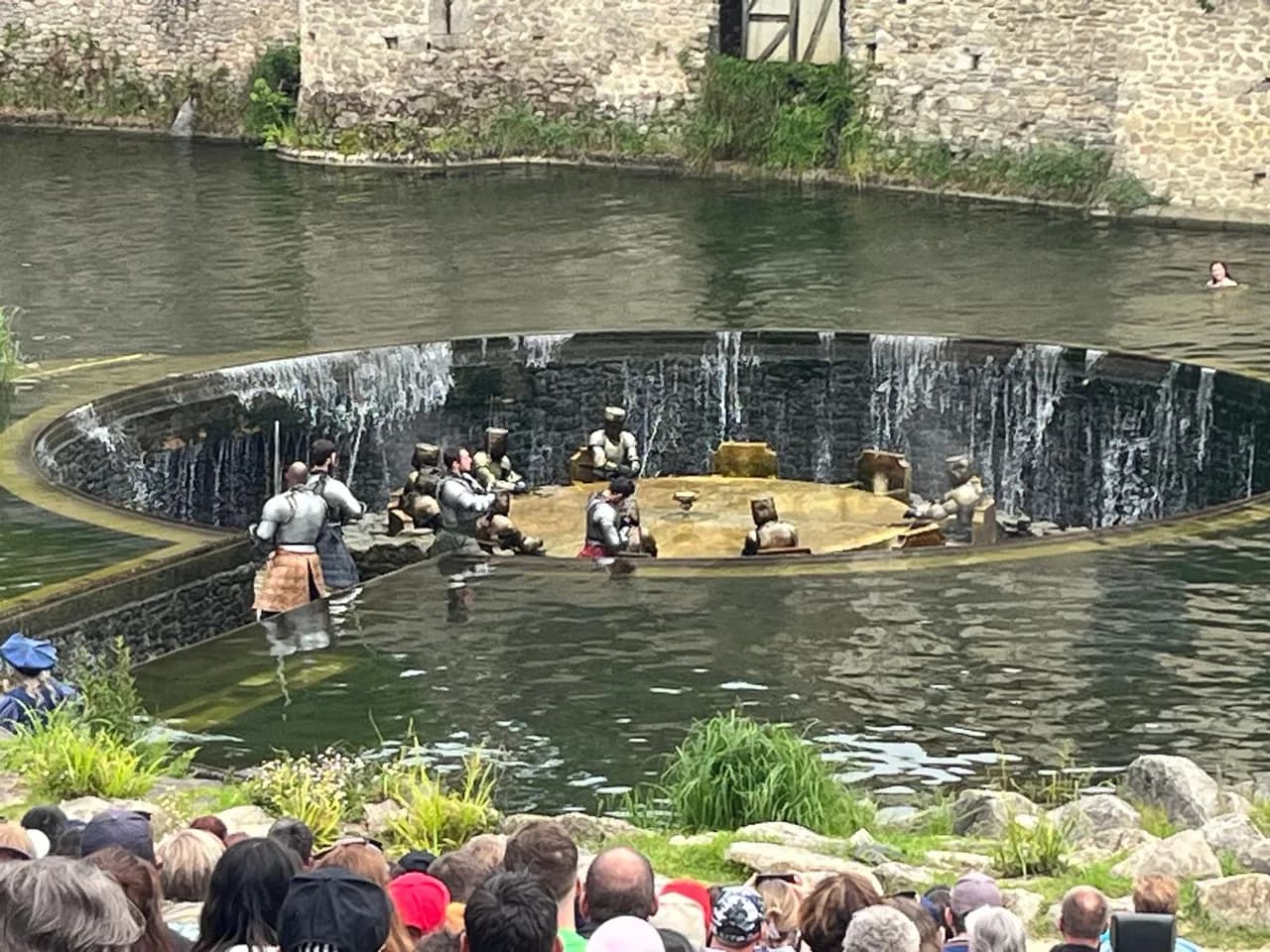
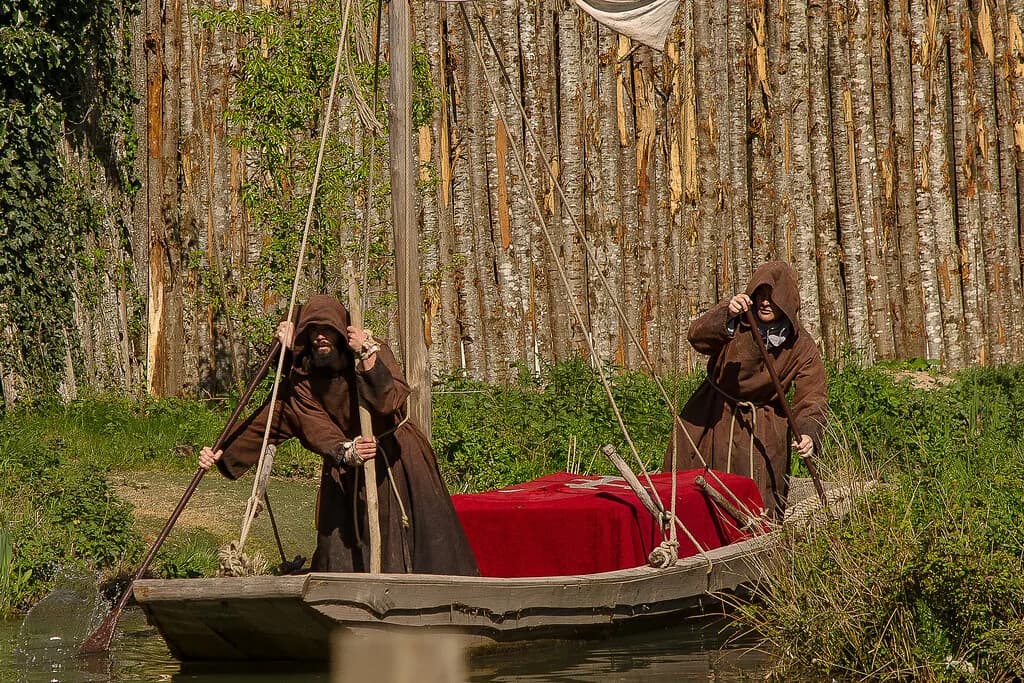
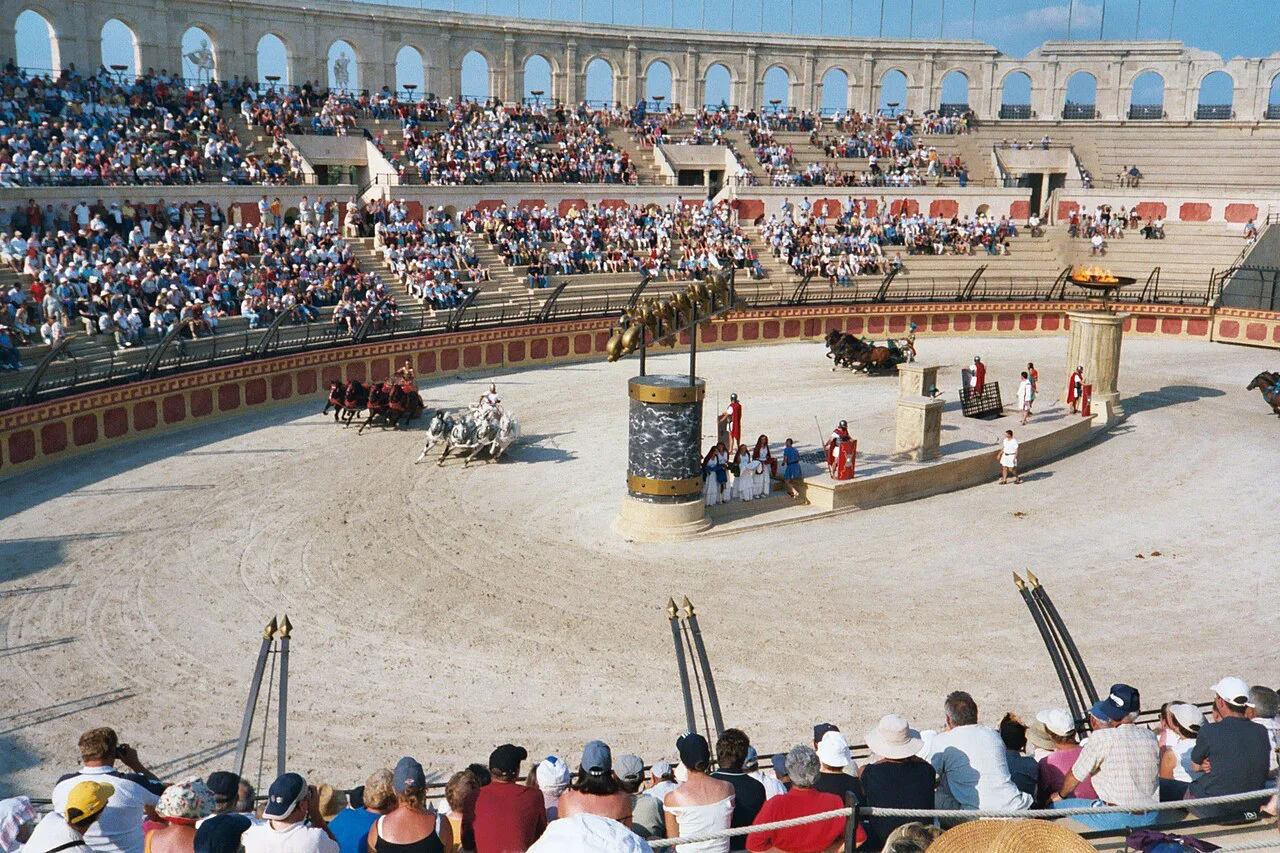
Puy du Fou in the Vendée builds its day around grand live productions rather than roller coasters: Roman arena spectacles, Viking landings, falconry displays over the audience and medieval jousting, all staged to a timetable. That makes the date you pick less about ride queues and more about how many shows fit into your day, and whether the evening spectaculars are running.
Set among woodlands, gardens and period villages outside Les Epesses, the Grand Parc rewards a full day and really wants two. Choosing between a long summer day with peak crowds and a quieter spring or autumn date with a tighter show schedule is the central trade-off, and it is worth settling before you book tickets or a themed room.
Why the calendar decides your trip more than at other parks
At a ride park you can absorb crowds by choosing a different coaster order. At Puy du Fou, each headline show runs a limited number of times, so a busy date squeezes the same timetable harder and seating fills earlier. Planning around the day's show schedule, rather than arriving and wandering, is what separates a good visit from a rushed one. The same logic of building a day around fixed showtimes applies at France's other big non-coaster park, as our Futuroscope guide explains.
The practical consequence is that a single day rewards selectivity: pick the productions you most want and build the day around them, accepting you will not see everything. Two days lets you cover the arena shows, the bird display, the Viking battle and the walk-through experiences such as the First World War trenches without sprinting between grandstands.
When Puy du Fou is open: the spring-to-autumn season
Puy du Fou operates a seasonal calendar, generally opening from April to November and closing over winter. Exact opening and closing dates shift year to year, so the official Puy du Fou calendar is the page to consult for live hours, show schedules and which night spectaculars run on your dates.
Because the park shuts for the cold months, everything compresses into roughly seven months, and the shoulder weeks at each end of that window behave very differently from midsummer. If your dates are fixed by school holidays, book early; if they are flexible, the edges of the season give you more room.
Summer: longest days, biggest crowds
June to August is the busiest stretch of the Puy du Fou year, and that has a real upside: the longest daylight hours and the fullest show programme, including the evening productions. The cost is that the same grandstands and restaurants are working at capacity, so a summer weekend asks more of your planning than a Tuesday in June.
In practice, summer visitors should arrive before opening to be through the gates promptly, book any table-service restaurant in advance, and treat the app's schedule as the spine of the day. Staying overnight on site removes the pressure of a single long day and lets you spread the big shows across two mornings.
Spring and early summer: lighter crowds at the shows
The weeks after opening and the run-up to the main summer holidays tend to be gentler: the park is fully staffed, the gardens are at their best, and seating for the biggest productions is easier to come by. You trade a little of the late-evening daylight for a calmer rhythm between shows.
This is the window that suits families with younger children and anyone who wants to see the headline productions without building the day around arrival times. Bring earphones for the app's simultaneous translation, since subtitles and audio make the French-language shows easy to follow for English-speaking visitors.
Autumn and the Halloween period: shorter days, evening shows to plan around
Autumn brings shorter daylight and a park that feels quieter after the summer peak, which suits couples and adults more interested in the historical productions than in a full-day marathon. The catch is that outdoor shows depend on light and weather, and the later slots disappear as the days shorten, so an early start matters more than in June.
The park marks the Halloween period with seasonal dressing and themed entertainment, but the exact dates change each year, so match your break to the published calendar rather than to a remembered date. If a night show is the reason for your trip, confirm it is scheduled on your specific dates before committing to a hotel.
Weekends versus weekdays and French school holidays
Weekdays outside French school holidays are the safest bet for shorter waits at show entrances and easier restaurant bookings. Weekends draw local and regional visitors, and the summer holidays plus the Halloween break are when the park is at its fullest.
If you can only travel in peak weeks, build slack into the plan: choose two must-see productions per half-day, arrive early and use the app to schedule around fixed show times. Two or three days gives a comfortable pace when the park is busy, as many visitors report.
The evening shows and how they shape a date choice
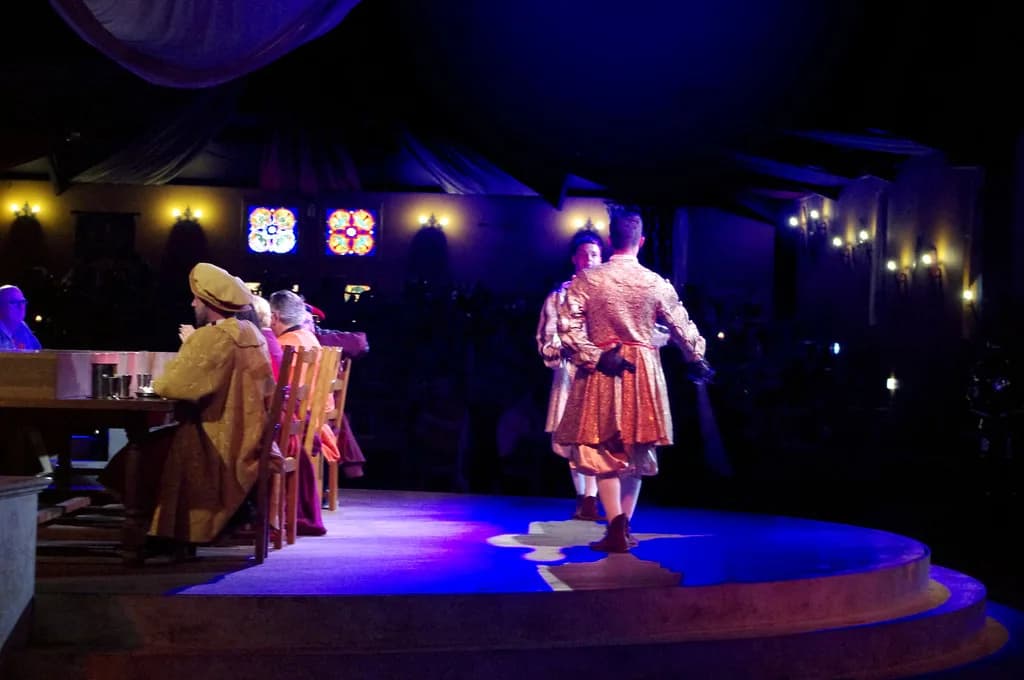
La Cinéscénie is the park's signature night production, an epic outdoor staging with a cast of thousands, projections and pyrotechnics recounting centuries of local history. Les Noces de Feu is a separate evening show on water, blending fountains, fire, light and live music. They are different experiences and do not automatically come with the same date.
Neither runs every night of the season, and neither is guaranteed by a standard daytime ticket, so treat the night show as the anchor of your date choice. Check the official calendar for which evenings have performances, then book the day ticket and any separate night-show seat around it.
How many days you need: one day versus two or three
A single day is possible if you arrive before opening and accept that you will see a selection rather than the whole programme. Two days is the realistic minimum to take in the major arena shows, the bird-of-prey display and the immersive walk-throughs without cutting anything short.
Two or three days is the length of stay many visitors recommend, and it fits naturally with an on-site hotel and a night show. If you are combining Puy du Fou with the Vendée coast or a city break, two park days plus a travel day at each end is a workable shape.
Staying on site at La Cité Nocturne and what it changes
The on-site hotels, grouped as La Cité Nocturne, are themed to periods of French history, from a Renaissance camp to a Gallo-Roman villa, stilted island huts, a medieval citadel and a Grand Siècle château. Staying there shortens the walk to the gates and, for guests, opens up the Discovery Workshops, which adds a reason to build in an extra half-day.
Rooms sell out well ahead in summer and around the Halloween period, so a hotel booking is often the constraint that fixes your dates rather than the ticket. Compare the themed options and what each includes before you lock in a night-show date.
Weather through the season and how it affects the outdoor shows
Most of the headline productions play to open-air grandstands, so sun, wind and rain all shape the day. Summer can be hot and exposed, with concrete seating and long spells outside, which makes water, a hat and a light cushion for the benches genuinely useful rather than fussy.
Spring and autumn are cooler and changeable, and evenings can turn chilly even after a warm afternoon, so a layer for the night show is worth carrying. If a date is forecast wet, plan more time in the indoor productions and covered walk-throughs and keep the outdoor spectaculars for the clearest part of the day.
Booking timing: when tickets and hotels sell out
Tickets and on-site hotels sell out well in advance because Puy du Fou is one of Europe's most popular attractions, and the summer weeks and Halloween period go first. Booking early also helps if you want a particular themed room or a table at one of the period restaurants.
Choose the date first, then the ticket type that fits it, since dated tickets and flexible options carry different terms. Current prices and inclusions sit on the official booking pages, and comparing them before you commit avoids paying for flexibility you will not use.
Pass Emotion and whether it is worth it on a busy date
Pass Emotion is the closest thing to fast track at Puy du Fou: it adds reserved seating and quicker access to the biggest shows, and only a limited number are sold each day. On a peak summer date or a holiday weekend it can be the difference between seeing the arena shows comfortably and queuing for grandstand space.
On a quiet spring weekday with lighter crowds, the standard ticket plus good scheduling usually does the job. Decide based on your date and how many of the large productions you want to see, and book any Pass Emotion with the ticket rather than on the day.
Getting there by train, car or shuttle and how that limits day trips
By car, the park sits roughly an hour from Nantes and about ninety minutes from Angers, with Paris around three and a half hours away via the A11, and parking is free. The address for navigation is Puy du Fou, 85590 Les Epesses, France.
By train, take the TGV to Angers Saint-Laud or Nantes and connect by the shuttle to the park, which runs several times a day in peak season, takes about an hour and must be booked in advance for a fee. Regional trains reach Cholet, around 25 minutes from the park, where you continue by taxi or shuttle.
Choosing your dates: a simple decision framework
Start with the night shows. If La Cinéscénie or Les Noces de Feu is the point of the trip, find the dates they run and work back from there. If you are coming purely for the daytime productions, a spring or early-autumn weekday gives you the calmest version of the park.
Then weigh length of stay against travel time. A day trip only works from nearby bases and demands an early arrival; two nights on site, with a themed hotel and workshops, turns the visit into a short break. Families with younger children should favour the gentler shoulder weeks, while summer suits anyone who wants the fullest evening programme.
Plan Your Visit
Pick your dates around the show schedule and the evening spectaculars, then match the length of stay to how much of the programme you want to see. Two days on site covers the headline productions comfortably, and the shoulder weeks offer a calmer version of the same park.
Confirm live hours and night-show dates on the official Puy du Fou calendar, and book tickets and a themed room together once your dates are fixed. For the wider picture of the park's areas, transport and hotels, the Puy du Fou guide pulls the planning threads together.
Explore more Puy du Fou guides
Frequently Asked Questions
What is the best month to visit Puy du Fou?
Late spring and early summer suit visitors who want lighter crowds and easier seating at the big productions, while June to August bring the longest days and the fullest programme, including evening shows. If you want the night spectaculars, build the trip around the dates they run rather than the month alone.
Is Puy du Fou open in winter?
The park follows a seasonal calendar, generally open from April to November and closed over the winter months. Opening and closing dates shift from year to year, so use the official calendar for the exact start and end of the season and for show schedules.
How busy is Puy du Fou in July and August?
June to August is the busiest period of the year, with the summer holidays and weekends the fullest dates. Arriving before opening, reserving restaurant tables and scheduling the biggest shows around the daily timetable make a peak visit far easier.
Do you need two days at Puy du Fou?
Two days is the realistic minimum to see the major arena shows, the bird display and the immersive walk-throughs without rushing, and many visitors recommend two or three. A single day works only if you arrive early and accept seeing a selection.
Is La Cinéscénie included in a standard ticket?
La Cinéscénie is a separate evening production and does not come automatically with every daytime ticket or every date. Check which evenings it runs and whether a night-show seat is a separate booking before fixing your hotel.
Should I buy Pass Emotion for a summer visit?
Pass Emotion adds reserved seating and faster access to the biggest shows, and only a limited number are sold each day. It earns its place on peak summer dates and holiday weekends; on a quiet spring weekday, a standard ticket with good scheduling is usually enough.
Can you visit Puy du Fou as a day trip by train?
Yes, but it takes planning. High-speed trains reach Angers and Nantes, where a shuttle connects to the park in peak season, taking about an hour and needing advance booking; regional trains serve Cholet, around 25 minutes away.
Is Puy du Fou suitable for young children?
The park is built for families, with a recommended age of about four and up, though some shows are long and a few are intense for very young children. The gentler shoulder weeks give families more flexibility around show times and rest breaks.
Sources
Notes for your next park day
Optional updates to our park guides.
You might also like

Continue reading
More guides you'll find useful