Parc Astérix Map: Areas, Layout and Planning a Route
Use the Parc Astérix map to understand the themed areas, where the headline rides sit and how to plan a walking route for families or thrill-seekers.
On this page
Parc Astérix packs more than forty attractions into a compact site at Plailly, north of Paris, and its themed zones sit close enough together that a sensible walking order saves a lot of backtracking. The map reads as a loop around a central Gaulish village rather than a grid, which means you can plan a route that returns you near the entrance by mid-afternoon.
The park address is Parc Astérix, BP8, 60128 Plailly, France, and it sits directly off the A1 motorway north of the capital. Confirm live opening hours, ride closures and show times on the official Parc Astérix calendar before you travel, because these change by date across the season.
How the park is organised
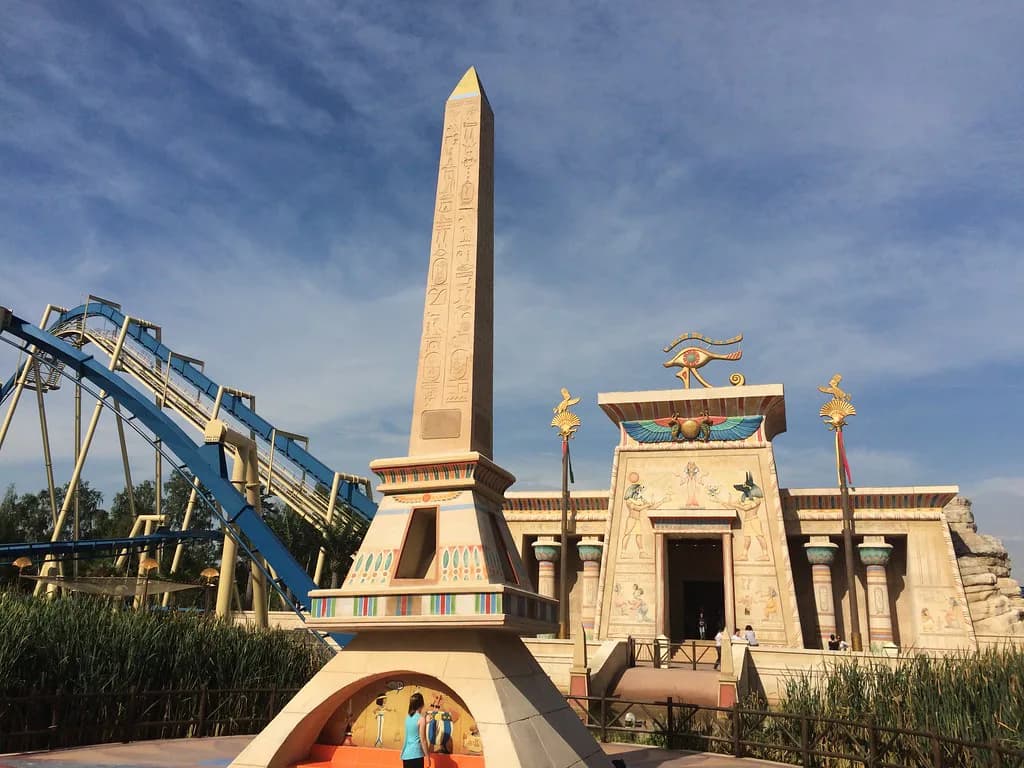
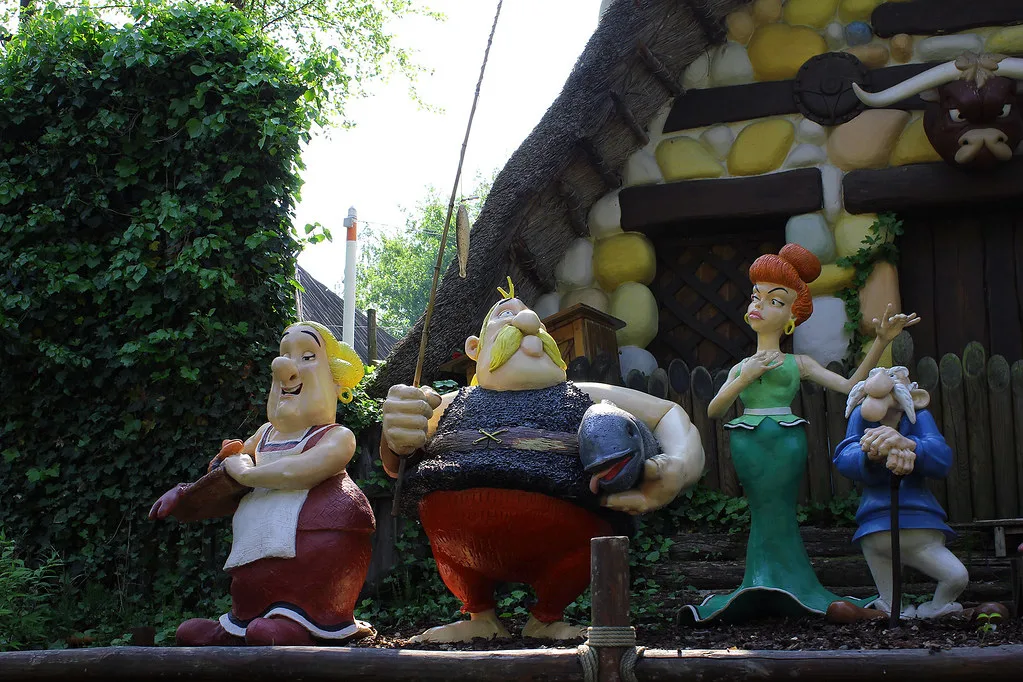
The Gaulish village is the heart of the park, with the village facades of Astérix and Obélix framing the central walkway and a cluster of shops and dining around it. From there the themed zones fan out: Roman, Egyptian, Viking and Greek areas each hold their own signature ride, so the map is best understood as spokes around a village hub.
That layout means the first decision of the day is direction. Walking clockwise takes you through the Roman zone toward the Egyptian area, while counter-clockwise heads into the Viking and Greek zones first. Neither is wrong; which one you choose depends on whether your group wants the big coasters at rope drop or a gentler start with the family rides.
Where the headline thrills sit
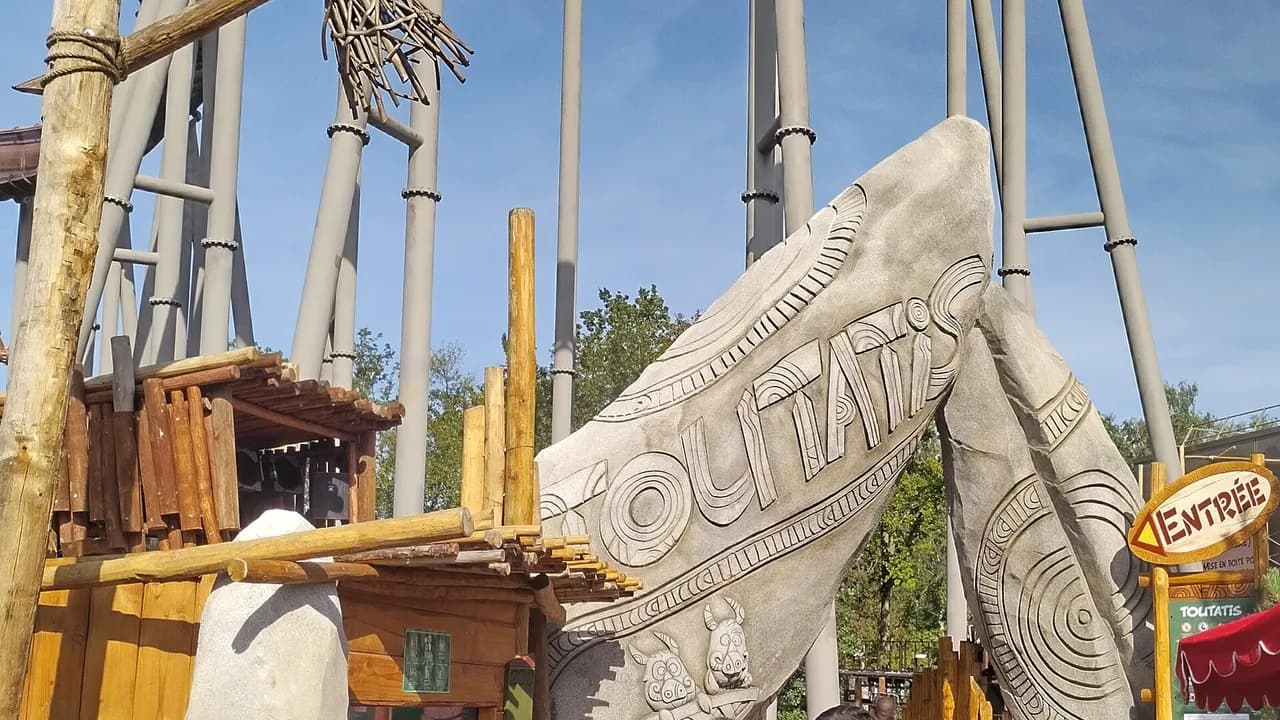
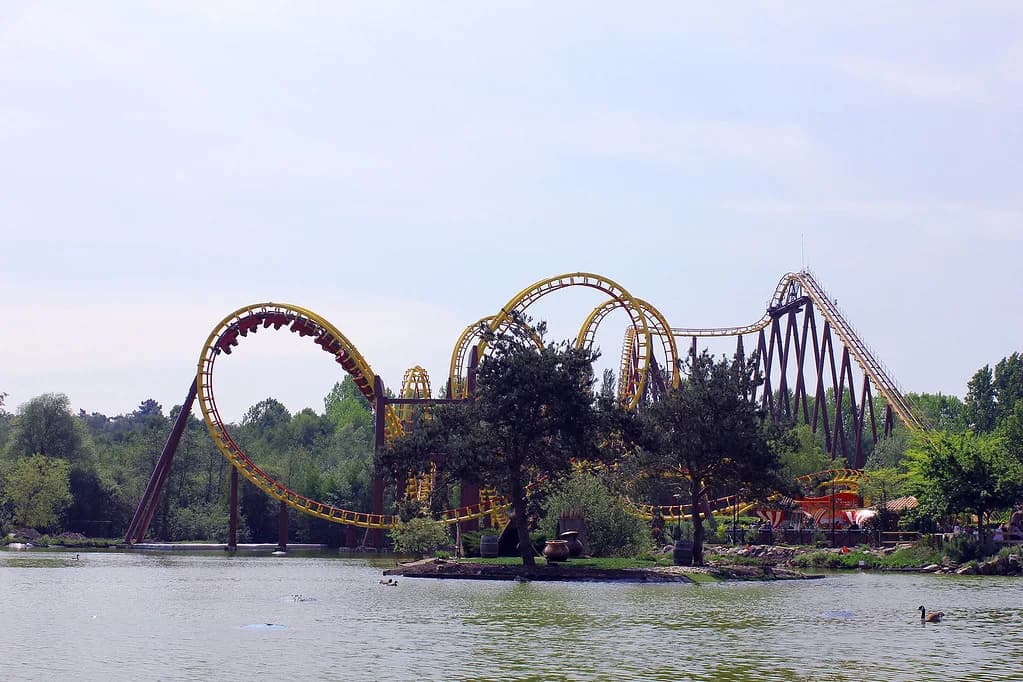
Toutatis, the Toutatis at Parc Astérix LSM launch coaster, anchors one of the outer zones and is the ride most thrill-seeking visitors head for first. It is the park's flagship for speed and intensity, and it repays being hit early in the day before queues build through the afternoon.
The park's other big names cluster in different zones, so a coaster-focused morning is a matter of hopping between areas rather than queueing in one place. Plan two or three signature rides before lunch, then use the middle of the day for shows and food when wait times peak. Ride-by-ride detail, including minimum heights, sits in the Parc Astérix Rides guide so you can build a shortlist before you look at the map.
Pégase Express, a family coaster in the Greek zone, is the bridge between the big thrill rides and the gentle attractions. It suits children who have outgrown the smallest rides but are not ready for the park's most intense coasters, and it is a good mid-morning stop when the headline rides have longer waits.
Rides for younger children and where the family zones cluster
The Gaulish village area and the surrounding zones carry most of the attractions aimed at small children, with gentle carousels, water rides and character-led attractions spread across the middle of the map. Families with under-fives do best to stay close to the village hub, where the distances between rides are short and a stroller can be parked easily.
The park's height chart is the tool to use before you go, because each attraction has its own minimum height and some rides require an accompanying adult. The official Parc Astérix site publishes the current height requirements for every attraction alongside the map, so check them against your children's heights rather than relying on the ride names.
Shows, arenas and the middle of the day
Parc Astérix places its main shows and arenas around the park rather than in one entertainment strip, which is why the map matters for timing as much as routing. A stunt show, a dolphin presentation and character appearances each sit in a different zone, and picking a show that starts near where you already are saves a walk across the park.
The practical trick is to schedule one show for the early afternoon, when the coasters have their longest queues. Show times are printed on the day's programme at the gate and in the app, and they shift with the season, so treat the printed times as the authority rather than any fixed plan made weeks earlier.
Food, drink and picnic spots
The main dining areas cluster around the Gaulish village and the busiest themed zones, with table-service restaurants, counter-service outlets and snack kiosks spread through the loop. Bringing a picnic is a popular option for families, and the park provides grass and bench areas near the village where you can sit down rather than eating on the move.
Timing lunch outside the traditional midday window is the simplest way to avoid the longest food queues, especially in the village restaurants closest to the entrance. If you are eating in the park, look at the outlet locations on the map before you commit to a zone, because a restaurant in the far corner can be a long walk from where you are queuing.
Services on the map: guest services, baby care and lockers
Guest services sits near the main entrance, alongside the information point where you can pick up a printed map and ask about accessibility. Baby care facilities and first aid are marked on the park map, so note their positions before you set off if you are travelling with an infant or a child with additional needs.
Lockers are available for storing bags and loose items, which matters if you plan to ride the coasters early and do not want to carry everything around the loop. The park's accessibility guide sets out the schemes and ride access arrangements, and it is worth reading before you arrive rather than queueing at guest services to ask.
Using the official map and app on the day
The printed map handed out at the gate and the official Parc Astérix app both show the current zone layout, ride locations, restaurant positions and show times. The app adds live information such as ride status and queue times, which is more reliable than a plan made at home, so use it once you are inside the gates.
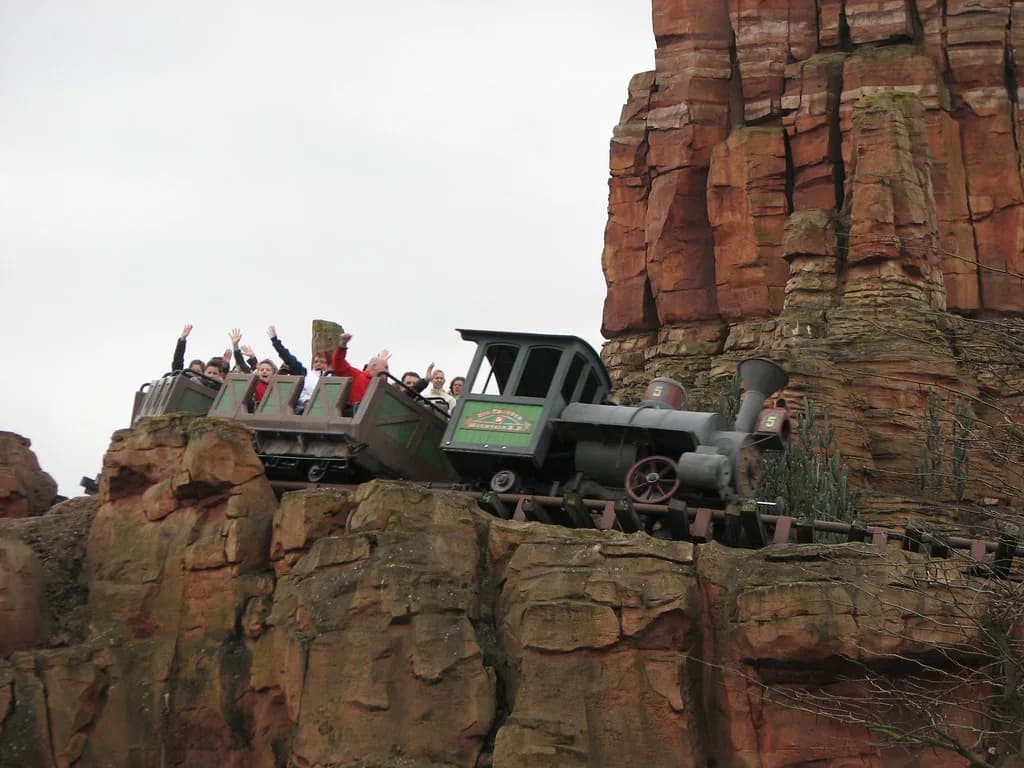
A 2008 park map shows how the zones were organised then, with the same village hub at the centre of the layout, but treat any older map as a rough orientation tool only. The current official map in the app reflects the park as it stands today, with any new attractions and closed rides marked. If you are comparing layouts across European parks, the Disneyland Paris map shows how a hub-and-spokes plan works at a larger scale.
A sample route for thrill-seekers
Start at rope drop and head straight for Toutatis before the queues form, then work around the outer zones in one direction rather than criss-crossing the park. Hit the second and third big coasters in the same sweep, and use the middle of the day for a show and lunch when the wait times peak.
The afternoon is best spent on the rides nearer the village, with a final sweep back to any coaster you want to repeat before closing. This route avoids the common mistake of returning to the entrance for lunch and losing an hour of the day to walking.
A sample route for families with young children
Begin in the Gaulish village and stay close to the hub through the morning, riding the gentle attractions while the children are fresh. Move into the Greek zone around mid-morning to catch Pégase Express if your children meet the height requirement, then take a picnic or early lunch before the crowds build.
The afternoon suits the shows and the water rides, which children often prefer to the coasters, followed by a slow loop back through the village. Keeping the walking short and the day flexible works far better for young families than trying to tick off every zone.

Halloween and Christmas: how the zones change
Parc Astérix runs seasonal events including Halloween and Christmas, and these change both the decoration and the entertainment in each zone. Halloween brings scare attractions and themed shows, while the Christmas season dresses the village and adds seasonal entertainment, so the map effectively gains extra attractions during those periods.
The event dates and the entertainment programme differ each year, and the official Parc Astérix site publishes the confirmed season dates and show times. Check those pages before booking, and use the event map in the app on the day, because temporary attractions and scare mazes sit outside the standard zone layout.
Getting to Parc Astérix and orienting yourself on arrival
Parc Astérix sits at Plailly, directly off the A1 motorway north of Paris, with the main car park a short walk from the entrance and a paid parking charge that varies by vehicle type. The car park fills quickly on peak days, so arriving before opening is the simplest way to park close to the gate.
By public transport, the usual route from central Paris is the RER B to a northern station followed by the park shuttle, with timetables tied to the park's opening calendar. The shuttle does not run on every opening day and the schedule changes by season, so plan around it rather than assuming a departure.
Drivers coming from the Roissy CDG Airport side have a short motorway run to the park, which makes a same-day visit from the airport hotels straightforward on paper. Allow for the walk from the car park and the security check at the entrance when planning your arrival time.
Where to stay near the park and how that shapes your route
The park's own hotels sit within walking distance of the entrance, which changes how you use the map: you can arrive at opening without parking, and you can return mid-afternoon for a break without losing much of the day. Staying on site also makes a two-day visit realistic, with the second day spent on repeat rides and shows.
Off-site hotels cluster around the A1 corridor and the airport zone, which suits drivers but adds a commute to the start of the day. If you are weighing day tickets against a two-day plan, the Parc Astérix tickets page sets out the options and what each includes.
Plan Your Visit
The Parc Astérix map rewards a little planning: pick a direction, decide which zone gets the first hour, and leave the middle of the day for shows and food. Whether you are chasing the big coasters or keeping small children happy, the loop layout means a sensible walking order is the single biggest lever on your day.
Before you travel, read the official Parc Astérix calendar for the season's opening days and hours, and download the app for live ride status and the current park map. That combination, plus the area notes above, is all you need to plan a route that works.
Explore more Parc Astérix guides
Frequently Asked Questions
Where is Parc Astérix located?
Parc Astérix sits at Plailly in the Oise department, north of Paris and directly off the A1 motorway. Drivers reach it in a straightforward motorway run from the capital or from the airport zone, while public transport usually means a train to a northern station and then the park shuttle. Allow extra time for the walk from the car park and the security check at the entrance.
What are the main areas of Parc Astérix?
The Gaulish village forms the centre of the park, with shops and dining around the main walkway, and the themed zones fan out from it. Roman, Egyptian, Viking and Greek areas each hold their own signature attractions, so the layout reads as spokes around a hub rather than a grid. That is why choosing a direction at opening matters more than memorising individual ride positions.
Which rides are best for young children at Parc Astérix?
Most attractions aimed at small children sit in and around the Gaulish village, where gentle carousels, water rides and character-led attractions keep walking distances short. Pégase Express in the Greek zone bridges the gap for children who have outgrown the smallest rides. Each attraction has its own minimum height, so compare the official height chart with your children's heights before you plan a route.
How many days do you need at Parc Astérix?
One full day covers the headline coasters and a show or two for most visitors, especially with a route planned around the loop layout. Two days suit families who want a slower pace, repeat rides and time in the seasonal entertainment, and staying at one of the park hotels makes that easier because there is no commute at either end of the day.
Is Parc Astérix worth visiting from Paris?
It is a realistic day trip from Paris, since the park sits just off the A1 north of the city and is reachable by car or by train plus the park shuttle. The draw is the mix of big coasters such as Toutatis and family attractions in the Gaulish village, all within a compact, walkable site. Check the official calendar first, because opening days and shuttle operation vary across the season.
Sources
Notes for your next park day
Optional updates to our park guides.
You might also like
Continue reading
More guides you'll find useful