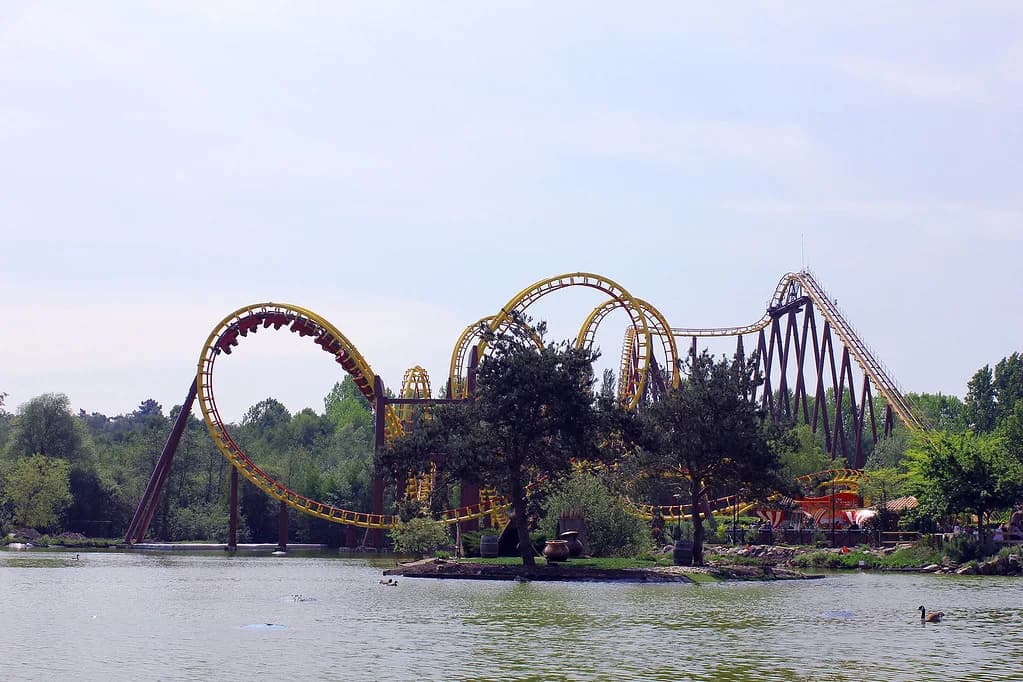
Parc Astérix Guide: Rides, Tickets, Hotels and Getting There
Plan a Parc Astérix day around the five Gaulish worlds, family and thrill rides, Filotomatix fastpass, on-site hotels, shuttle routes and quieter dates.
On this page
Parc Astérix spreads Gaulish comic-book adventure across five themed worlds roughly 35 km north of Paris, with 51 attractions behind the gates. It suits families with school-age children, coaster-hungry teenagers and couples who want a full day without Disney-level planning.
The park organises itself as a routing puzzle rather than a single loop: Gaul, The Roman Empire, Ancient Greece, Egypt and The Vikings each cluster their own rides, so grouping attractions by world saves a lot of walking. Use the official attractions list to note which rides sit in which world, then plan a circular walk instead of zigzagging.
What Parc Astérix is and who it suits
Parc Astérix is a French theme park built around the Asterix stories, mixing big coasters and water rides with gentler family attractions and live shows. The park counts 51 attractions and describes itself as having something for every member of the family, which in practice means distinct ride lists for toddlers, primary-age children, teens and thrill-seekers.
Families with younger children get the most from the park if they treat it as a relaxed day across two or three worlds rather than a mission to cover everything. Teenagers and coaster fans will want a rope-drop start and enough hours to ride the headline coasters twice. Couples and adult groups often get the best value from a late-season weekday with shorter queues.
Allow one full day as a minimum, and two days if you want both the water rides and the shows without rushing. Because world-hopping costs time, a two-day visit lets you split Gaul and the Roman Empire from Ancient Greece, Egypt and The Vikings.
The five worlds and how to move between them
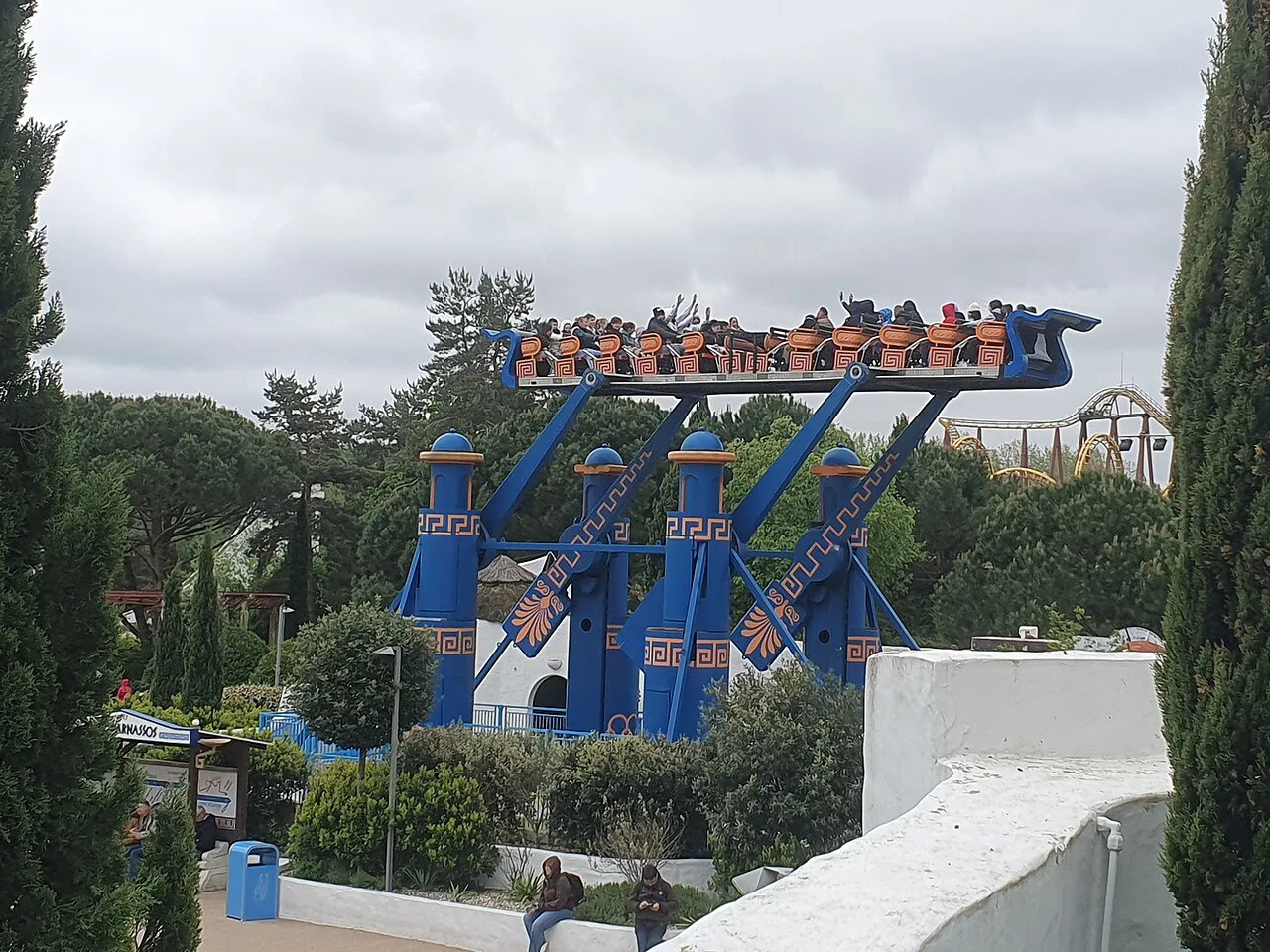
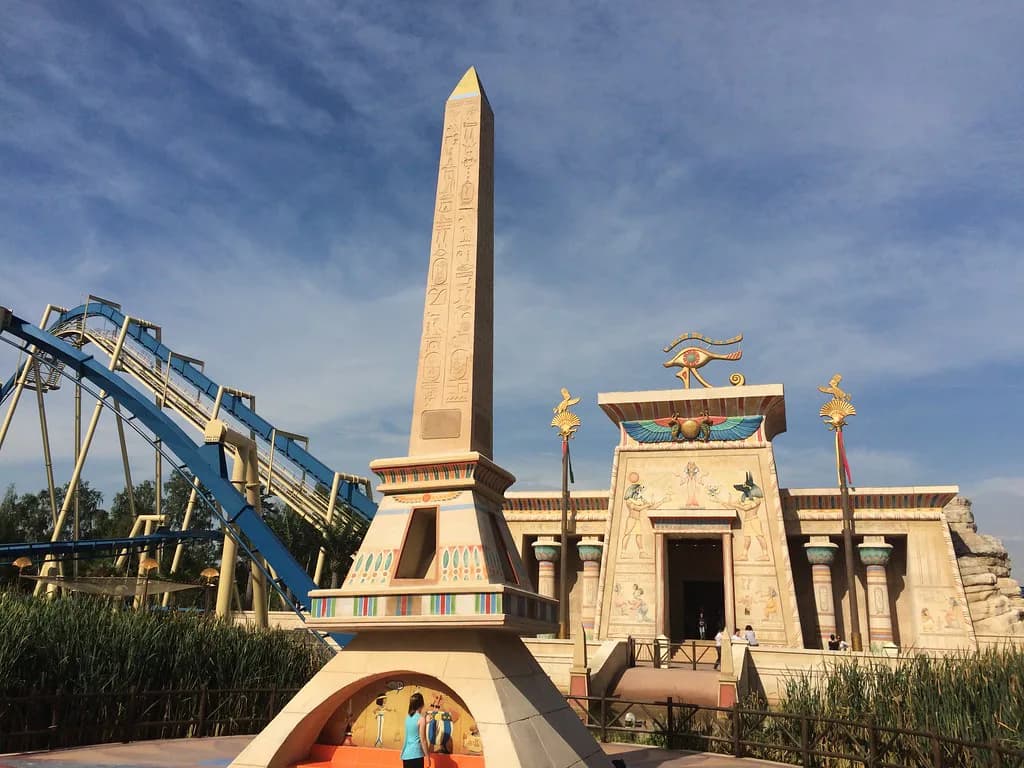
The park divides into Gaul, The Roman Empire, Ancient Greece, Egypt and The Vikings, each holding its own attractions. The official filter lists 10 attractions in Gaul, 5 in The Roman Empire, 4 in Ancient Greece, and 2 each in Egypt and The Vikings, so the layout naturally pulls you towards certain areas first.
A workable route is to start in Gaul while queues are short, cross into The Roman Empire and Ancient Greece, and finish with Egypt and The Vikings. Download the park map from the official site before travelling, since the visual layout makes clear which paths connect the worlds and where the water rides sit.
If you want a deeper area-by-area breakdown before you go, our [parc astérix map](/parc-asterix-map-and-areas) breakdown walks through each world and its rides. It pairs well with the official attractions filter, which lets you sort by world and by attraction type.
Headline rides for thrill-seekers
Thrill-seekers should build the morning around the major coasters and ride them before lunch, when queues build. The official attractions list flags which rides carry Filotomatix access, so check that badge when you decide whether to buy a fastpass or simply arrive early.
For a shortlist of the biggest coasters, speeds and ride types, our [parc astérix rides](/parc-asterix-rides) guide groups them by thrill level. Read it alongside the official attraction descriptions so you know which rides are coasters and which are water rides before committing your morning.
Toutatis, the park's LSM launch coaster, is the obvious first stop for coaster fans who want the biggest hit of the day. Our [Toutatis at Parc Astérix](/toutatis-parc-asterix) feature explains what makes the launch coaster distinctive, so you can decide whether to rope-drop it or save it for the afternoon.
Rides younger children can enjoy
Parents of toddlers should look at the park's dedicated family attractions rather than the headliners. The Cauldrons is a walk-through style attraction that plays on the magic potion, with the official site describing lightheadedness, euphoria and giggling fits, which is a good fit for small children who like immersive scenes.
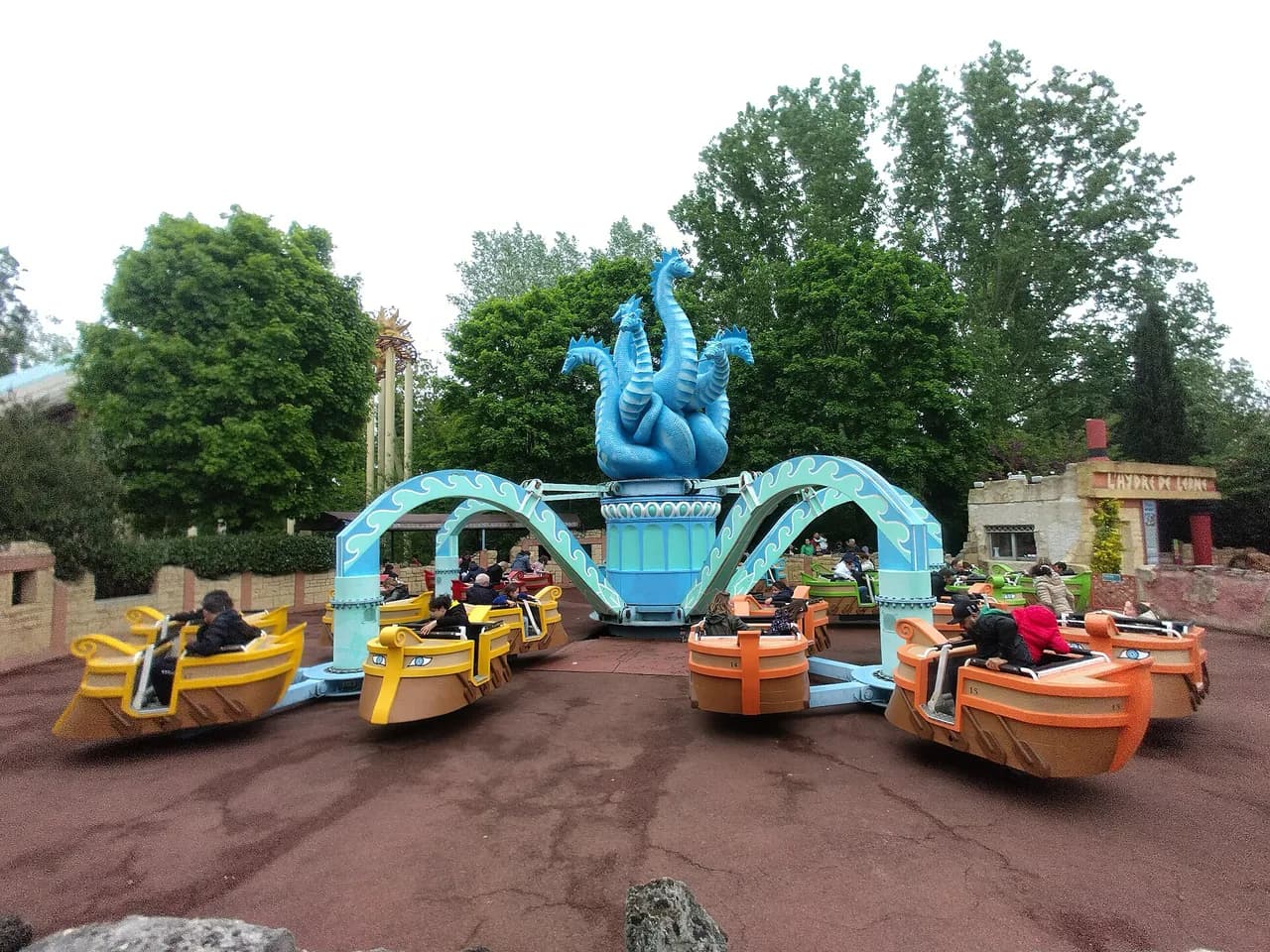
Other family rides across the worlds include Caesar's Carousel, SOS Hieroglyphix and A River in Ilia, all filed under family attractions. The Mini Storm, The Hydra of Lerna and Mini Dragon Ships give younger riders a gentler way to experience the themed worlds without queueing for coasters.
Height limits matter more than labels for preschool children, so check each ride's requirement on its official page before promising a specific ride. Group the gentle rides by world so that a morning in Gaul and an afternoon in Ancient Greece both end with something small children can join.
Family rides for mixed-age groups
Families with a spread of ages can plan around rides that everyone can board together. The Pegasus Express is described by the official site as a family coaster with chicanes, drops and bumps, which sits between gentle rides and full thrill coasters, making it a good bridge for older siblings.
Water rides widen the appeal on warm days: The Pirate's Revenge – The Big Splash and The Menhir Express both appear in the family attractions list. Expect to get wet, and plan a slot after lunch so that clothes have time to dry before the journey home.
For a fuller breakdown of which family rides suit which age band, pair the official list with our [rides](/parc-asterix-rides) overview, which separates gentle attractions from coasters. That combination helps you build a shortlist that keeps a six-year-old and a twelve-year-old happy on the same route.
Filotomatix fastpass: how it works
Filotomatix is the park's skip-the-queue and virtual queue service, sold in several tiers. The unlimited tier covers 13 attractions without queueing, including some of the most popular family rides, so it suits visitors on a single-day visit who want to minimise waiting.
Buy a tier that matches the rides you actually plan to do rather than the largest package available. The attractions list marks each Filotomatix-eligible ride with a badge, so you can count how many eligible rides are genuinely on your route before committing.
Filotomatix makes most sense on busy weekends and school holidays, when queue times stretch and a virtual queue lets you use the waiting time elsewhere in the park. On quieter weekdays, arriving at opening often delivers enough ride time without the extra cost, so compare the two approaches against your own date.

Tickets, passes and what each includes
Parc Astérix sells dated tickets for a specific day, package stays that bundle park access with a hotel, and Season Passes for repeat visits. Dated tickets are the simplest option for most visitors and the official Booking area shows which dates are on sale and which ticket types apply.
If you plan two days or more in a season, a Season Pass usually beats buying separate dated tickets, particularly if you also want to visit during the Christmas or Halloween events. Our [parc astérix tickets](/parc-asterix-tickets-and-prices) breakdown compares the ticket formats side by side.
Book dated tickets in advance for weekends and peak periods, because the park caps availability on specific dates. For flexible plans, check which portion of the calendar is open before you fix travel, since the park's season stretches from spring through the Christmas event.
On-site hotels and what a stay adds
Parc Astérix runs three on-site hotels: The Hanging City, The Three Owls and The Lutecian Riverside. Advertised starting rates are €102, €99 and €111 per person respectively, which makes The Three Owls the cheapest entry point and The Lutecian Riverside the premium option.
Staying on site trades flexibility for convenience: you are a short walk from the gates and avoid parking each morning. The hotels are themed around the Gaulish stories and the official site frames stays as time before and after the park closes, so factor in a quiet evening if you are travelling with young children.
Guests staying at the hotels can extend their shuttle ticket for the return trip by visiting the Parc Astérix counter before boarding, which matters if you arrive by CDG shuttle. See our [tickets](/parc-asterix-tickets-and-prices) page for a closer look at stay-and-ticket packages.
Booking a room near Roissy CDG Airport is the other practical option, since the shuttle runs from the airport throughout the day. That layout suits early flights and late arrivals better than a hotel in central Paris.
Getting there by RER B and shuttle from CDG Airport
The simplest public-transport route is RER B from Paris towards Roissy CDG Airport, then the dedicated Parc Astérix shuttle from the airport. The park describes the shuttle journey as roughly 25 minutes, departing every 15 to 30 minutes, with a flat €14 round trip and free travel for children under 3.
Book the shuttle as a dated ticket no later than the day before you travel and validate it at the desk before boarding. Departures start about an hour before park opening and run until roughly an hour after closing, with possible service interruptions between 13:00 and 15:30.
From the airport, get off at Aéroport Charles de Gaulle 1, go to the Parc Astérix desk at the bus information point and follow staff directions to the shuttle bays. Return shuttle times vary with the park calendar, so confirm your return departure against the day you're visiting.
Getting there by car, with parking and journey times
Driving is straightforward: take the A1 motorway towards Lille and exit between junctions 7 and 8 for Parc Astérix on Rue Baudry. The park quotes around 30 minutes from Paris at 35 km, roughly 2 hours from Lille at 186 km, and around 3 hours from Brussels at 257 km.
On-site parking costs €20 per day and the car parks sit close to the entrance. If you are staying at a hotel, check whether parking is included before adding it to your budget, and consider car-sharing for a group if you want to split the cost.
For longer trips, coaches and partner buses also link Paris, Lille, Brussels and various airports to the park. If you are weighing up a Paris city base against staying near the airport, compare the shuttle timetable and your hotel's distance from the RER B line before booking.
Quieter days and reading the official calendar
The official calendar is the definitive source for opening hours and key dates. Use it to see whether your target date falls on a quiet weekday or within a school holiday.
Weekdays during term time are generally the calmest, with weekends and French school holidays busier. The park's official calendar is the place to check opening hours and key dates before fixing your travel day.
Avoid scheduling your visit to clash with a major event at the park if short queues matter more than atmosphere. The park's event pages list what is running on each date, so check them alongside the calendar when you choose your day.
Food, restaurants and eating in the park
The park operates a food and drink section on its official site, listing the restaurants and snack options across the worlds. Browse the restaurant list before you travel so you know which worlds have the biggest choice, then plan lunch in that world rather than walking back through the park during peak meal times.
If dining with younger children, schedule eating slightly before or after the usual lunch rush so you can combine a meal with nearby attractions in the same world. Note which restaurants sit near the rides your children most want to repeat.
Accessibility, baby care and rider swap
Parc Astérix publishes an accessibility section covering services and practical information for visitors who need extra support. Families can check the conditions for rides and the support available before travelling, then match them to the rides on your shortlist.
Pregnancy restrictions are also addressed in the park FAQ, so expectant parents should check which attractions they can ride before planning their route. Rider swap lets parents take turns on rides that cannot accommodate a baby, and the park's family services are detailed in the services section.
Seasonal events: Fear in the Park and Gaulish Christmas
Fear in the Park is the park's autumn Halloween event, with the official attractions filter listing themed rides and a new addition during the season. The Gaulish Christmas event includes seasonal attractions such as the Viking Ice Rink and the Enchanting Gardens of Father Christmas.
Check the official calendar for the exact dates of each event rather than assuming a standard window, since opening days vary each season. Events can also change ride availability, so review the attractions list again in the week before your visit.
Building a one-day or two-day plan
A one-day visit works best if you pick a focus: coasters in the morning and family rides in the afternoon, or vice versa. Start in Gaul while the park is quiet, cross into Ancient Greece around mid-morning and use lunchtime to reposition near The Roman Empire.
A two-day visit lets you cover the rides at a more comfortable pace and take in the shows and themed walks. Split day one between Gaul and The Roman Empire, and day two across Ancient Greece, Egypt and The Vikings, saving water rides for the warmest afternoon.
If you enjoy themed parks beyond Parc Astérix, our [Walt Disney Studios Park](/disneyland-paris-guide) and [Futuroscope guide](/futuroscope-guide) give you contrast for a longer France trip. Both parks offer different styles of immersive ride, from film-set spectaculars to screen-based simulators.
Where to check live opening hours before you travel
Opening hours shift by date and season, and the official calendar lists what is open on the day you plan to travel. Book dated tickets only after you have confirmed that your date is on sale and matches the events you want to see.
Before setting out, confirm the shuttle timetable, your parking booking and any Filotomatix tier you have bought. Then map your route by world so that the rides you care about most come first, not last.
Explore more Parc Astérix guides
Frequently Asked Questions
Is Parc Astérix worth visiting for families with young children?
Yes, if you plan around the family attractions rather than the coasters. The Cauldrons, Caesar's Carousel, A River in Ilia and The Mini Storm are all gentle options, and grouping them by world keeps walking manageable for small children.
How long should you spend at Parc Astérix?
One full day covers the coasters and a selection of family rides. Two days gives you time for shows, water rides and a slower pace through all five worlds, which is useful if you are travelling with mixed ages.
What is Filotomatix and is it worth buying?
Filotomatix is the park's fastpass and virtual queue service, with tiers including an unlimited option covering 13 attractions. It makes most sense on busy weekends and holidays; on quiet weekdays, arriving at opening often gets you onto the same rides without the extra cost.
How do you get to Parc Astérix from Paris?
Take RER B towards Roissy CDG Airport, then the dedicated Parc Astérix shuttle from the airport bus station. The shuttle runs every 15 to 30 minutes and takes around 25 minutes, with occasional interruptions between 13:00 and 15:30.
How much is parking at Parc Astérix?
On-site parking is charged as a daily rate, so check the official parking page for the current figure before you travel and add it to your budget alongside tickets and any fastpass.
Should you stay in an on-site hotel at Parc Astérix?
On-site hotels suit visitors who want short walks to the gates and an evening close to the park. Staying near Roissy CDG Airport is the alternative if you are arriving by plane or relying on the shuttle.
What is the quietest day to visit Parc Astérix?
Term-time weekdays are usually the calmest, with weekends and French school holidays busier. Use the park's official calendar and crowd forecast to check your chosen date before booking.
What are the themed worlds at Parc Astérix?
The park divides into Gaul, The Roman Empire, Ancient Greece, Egypt and The Vikings. Gaul has the largest ride cluster, so it makes a strong first stop before you move on to the other worlds.
Sources
Notes for your next park day
Optional updates to our park guides.
You might also like
Continue reading
More guides you'll find useful