
Pairi Daiza Weather Guide: Best Months to Visit
Plan a Pairi Daiza day around Belgian weather: which months suit families, how wind and heat shape the visit, and where to shelter when rain sets in.
On this page
Pairi Daiza spreads across gardens, themed kingdoms and animal enclosures at Brugelette in Hainaut, so the weather you get shapes the day more than at a park built around covered queues. A dry, mild day lets you walk the full circuit at an easy pace; a wet or windy one rewards a route built around sheltered stops and indoor exhibits. Choosing your season deliberately, then keeping one flexible day in the plan, is the single biggest lever on how the visit feels.
What Belgian weather means for a zoo-and-garden day
Belgium sits in a temperate maritime climate, which in practice means changeable conditions rather than reliable dry spells. Brussels, the closest major city to the park and the usual arrival point for international visitors, typically shows a mix of cloudy, breezy and showery days through much of the year, with temperatures that swing noticeably between morning and afternoon.
Because the park combines long outdoor walking routes with gardens and open enclosures, rain affects it differently from a ride-heavy park: there is rarely a single covered hub to retreat to, so you break the day into shorter outdoor stretches with indoor stops between them. Wind matters too, since exposed walkways and elevated viewpoints feel considerably colder than the sheltered courtyards. A park built around roller coasters handles rain through a different set of plans, as our guide to Walibi Belgium weather shows.
Read the forecast for the Brugelette and Mons area rather than for Brussels alone; local conditions across Hainaut can differ from the capital, and national outlooks list regional cities separately. Keep the forecast as a planning tool for the 48 hours before you travel, not as a reason to book months ahead on a specific day's promise.
Season-by-season view: spring, summer, autumn and winter
Spring and early summer usually give the most comfortable walking weather, with mild temperatures and longer daylight that let you spread the day across the full site without rushing. Late spring is also when the gardens look their best, which matters if you are visiting as much for the landscaping as the animals. Expect occasional showery days and plan one indoor-heavy morning as insurance.
High summer brings the warmest conditions and the biggest crowds, so an early arrival and a midday pause in shade work better than pushing through the hottest hours. Heat is manageable at Pairi Daiza because so much of the route is under trees and along water, but you still want to front-load the exposed enclosures before the afternoon peak.
Autumn is the shoulder season that suits many families best: cooler mornings, softer light and autumn colour across the gardens, with fewer people on the paths than in August. Winter is quiet and atmospheric but the daylight is short, so a winter visit works best as a focused half-day rather than an all-day circuit. Check the official calendar before committing, because the park's seasonal opening pattern changes through the year.
Rainiest and driest stretches in Belgium and how to use them
Belgian rainfall tends to arrive as showers and frontal bands rather than whole washout days, which means a wet morning often gives way to a drier afternoon. The practical response is to hold the indoor exhibits and covered areas for the rainiest window and take the long outdoor loop when the radar shows a gap. A shower jacket and quick decisions about which way to walk beat a rigid schedule.
Statistically, late spring and early summer are usually drier than late autumn, when Atlantic systems bring more frequent rain and wind to the region. If your dates are fixed and fall in a wetter stretch, build the day around the sheltered core of the park and treat the outer gardens as bonus walking rather than the main event.
Hot days at Pairi Daiza: shade, water and pacing the day
On warm days the park's garden setting works in your favour: mature trees, water features and shaded courtyards give natural cooling between enclosures. Start early, take the most exposed walking routes before mid-morning, and use the middle of the day for the indoor exhibits and the shaded themed areas.
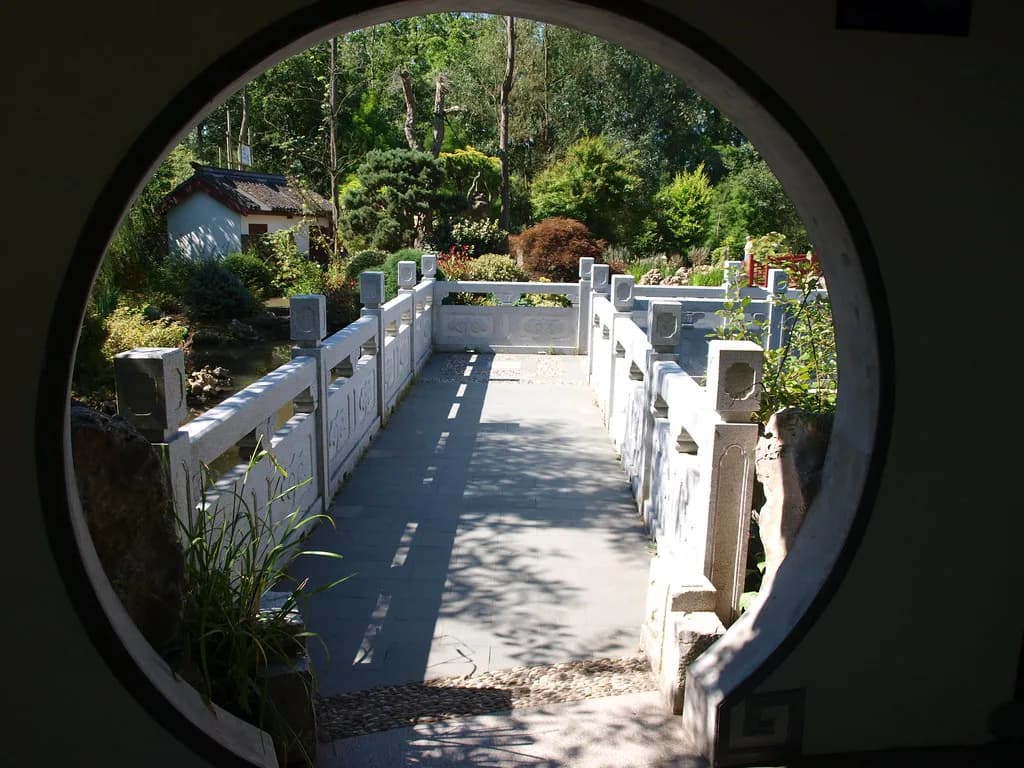
Keep hydration and rest stops in the plan rather than treating them as interruptions. The themed kingdoms, including the Chinese-inspired gardens, offer dense planting and pavilions that make natural pauses, and these are also the areas where families with young children tend to slow down anyway.
Windy and stormy days: which outdoor features are most affected
Wind is the less obvious Belgian weather hazard, and it changes how the open parts of the park feel: exposed walkways, viewing platforms and the more open garden sections lose their appeal quickly when it is blowing. On a gusty day, keep to the sheltered courtyards and wooded paths, and treat any elevated viewpoint as optional rather than a fixed stop.
When a front is forecast, the sensible adjustment is to shorten the day and protect the core route rather than trying to complete every area. Pairi Daiza is a large site, so cutting the outer loop on a stormy afternoon saves both time and discomfort, and the indoor exhibits still give you a full visit.
Indoor and covered areas that keep a wet day on track
A wet day at Pairi Daiza still has structure if you alternate between the indoor animal houses and the covered themed buildings. The big draw exhibits, including the giant pandas and the mountain gorillas, sit within walk-through areas where you can linger and dry off between outdoor stretches.
The themed kingdoms provide the other half of a rain plan: the Indonesian and Indian-inspired areas, with their pavilions and covered walkways, give you somewhere to slow down while a shower passes. Alternating these with the open gardens means you are never far from shelter.

Rides and animals in wet weather: what to prioritise first
The animal exhibits are the constant in a wet forecast; most are viewed from paths and covered walkways, so they remain the backbone of the day whatever the sky does. Prioritise the species and areas your group cares most about first, then use the indoor houses as a fallback when the rain sets in.
Ride-style attractions and any outdoor activities are the flexible part of the plan. Rather than building the day around them, slot them in when conditions allow and keep the animal route as the anchor. That way a passing shower costs you a stop, not the visit.
Pairi Daiza in September and October: cool mornings, autumn colour
September and October are the shoulder-season sweet spot for many visitors: the summer crowds have thinned, the light is softer and the gardens take on autumn colour. Mornings can be cool and damp, so a later start works better than rope-drop, and the afternoon often gives the best conditions of the day.
Autumn is also when the cooler weather makes the walking routes more comfortable, so this is a good window for anyone who wants to cover the whole circuit without summer heat. The park runs seasonal event periods in this part of the year, and the official calendar shows which days they apply to.
Winter and Christmas-season visits: shorter daylight, fewer crowds
Winter daylight is short at this latitude, so plan the visit around the middle of the day and expect to cover less ground than in summer. The upside is a quieter site: the gardens and animal houses feel calmer, and families with younger children often find the pace easier.
The Christmas period brings seasonal decoration to the park and, for many visitors, a reason to visit in the colder months. Because winter opening patterns are limited, the official calendar is the reference for which days the park operates in this window.
Halloween and Christmas events and how they change a visit
Pairi Daiza marks Halloween with a themed period that changes the look of parts of the park, and Christmas with seasonal decoration across the gardens and themed areas. These event windows are a reason to visit in their own right, but they also concentrate visitors into fewer days, so the calendar of event dates is worth checking before you choose.
If an event is the main reason for the trip, book a flexible ticket and stay close by rather than committing to one specific day far in advance. The Pairi Daiza Resort hotels make an early start on an event day much easier than a long drive from Brussels or Mons.
Quieter versus busier days by season and school holidays
Belgian school holidays and public holidays drive the busiest days, with weekends in the warmer months close behind. Midweek days outside the holiday calendar are the quietest, and they also give you the best chance of seeing the animals without a crowd along the paths.
Shoulder-season weekdays are the sweet spot for families with young children: the park is calmer, the weather is usually mild and the gardens are at their best. If your dates allow only a weekend, an early arrival buys you the quietest two hours of the day.

Tickets, dates and flexibility for weather-dependent planning
When weather is the main uncertainty, a flexible ticket is worth the trade-off against a cheaper dated one: it lets you move the visit to the drier day without losing the booking. Check the terms on the official ticket page, since the flexibility conditions and the date options are set there.
Multi-day and annual options make sense if you plan to return within a season and want to spread the visit across two better-weather days. For a single visit, the simplest rule is to book the flexible option when your trip falls in a wetter month and the dated option when you have a fixed window.
Getting there by train, bus and car in bad weather
Pairi Daiza sits at Brugelette in Hainaut, with Brussels and Mons the usual rail arrival points for international visitors. Rain rarely disrupts the rail leg, but it does slow the roads, so a train arrival with a short onward connection is the more predictable plan on a wet day.
If you drive, build in extra time on motorway days when the forecast is poor and keep the parking plan simple: arrive early, and treat the car as a dry base for a change of layers if the showers are frequent. The station and shuttle arrangements, with journey times, are set out in the transport guide.
Accessibility and baby care on a wet or cold day
Wet weather makes the practical side of the visit more important: a known dry place to feed and change a baby, and a route that avoids long exposed stretches, keeps the day workable with young children. Plan those stops into the route along with the indoor animal houses so they double as shelter.
For visitors with mobility needs, a shorter, sheltered circuit is the sensible choice on a wet or cold day, and the park's accessibility information sets out the practical arrangements. Staying at one of the Pairi Daiza hotels nearby also shortens the exposed journey at either end of the day.
Food, shelter and picnic rules when the weather turns
Indoor dining areas and covered seating are the natural refuge when a shower arrives, so it pays to know where they are before the rain starts. Pairi Daiza sets out its picnic arrangements on the official pages, so check the current rules there before planning to eat outdoors.
On a cold or wet day, a warm indoor lunch works as a genuine part of the plan rather than a stop-gap: it breaks the walk and lets the weather pass. Booking a table at a sit-down restaurant, if one is offered, is the low-effort way to guarantee shelter at the busiest lunch hour.
Plan Your Visit
The most reliable way to handle Pairi Daiza weather is to pick the season before you pick the day: spring and early summer for the gardens, autumn for comfort and colour, winter for a quieter half-day. Then keep the visit flexible and let the forecast for the Brugelette area decide the final date rather than committing to one far in advance.
Explore more Pairi Daiza guides
Frequently Asked Questions
What is the weather like at Pairi Daiza through the year?
Pairi Daiza sits in Belgium's temperate maritime climate, so expect changeable conditions rather than a reliable dry season. Spring and early summer are usually the most comfortable for walking, high summer brings warmth and crowds, autumn is cooler and quieter, and winter is short on daylight but calm. Check the forecast for the Brugelette and Mons area close to your date.
Which months are best for visiting Pairi Daiza with young children?
Late spring and September are the easiest months for families: mild temperatures, softer light and fewer people on the paths than in high summer. Weekdays outside Belgian school holidays make the biggest difference, and an early arrival gives you the calmest hours with small children.
What happens at Pairi Daiza when it rains?
Rain rarely closes the day down, because the animal houses and themed pavilions give plenty of shelter. Build the route around the indoor exhibits and covered walkways, and take the open gardens and outer loop when the showers ease. A flexible ticket makes it easier to shift to a drier day if the forecast turns.
Is Pairi Daiza worth visiting in September or October?
Yes, if you want comfort over heat: the shoulder season brings cooler mornings, autumn colour in the gardens and fewer visitors than August. Mornings can be damp, so a slightly later start works better than rope-drop, and the afternoon often gives the best conditions of the day.
Which days are quietest at Pairi Daiza?
Midweek days outside Belgian school holidays and public holidays are the quietest. If your dates land on a weekend or a holiday period, arriving at opening gives you the calmest stretch before the paths fill up.
How do you get to Pairi Daiza by train?
Brussels and Mons are the usual rail arrival points, with a short onward connection to Brugelette and the park. The rail leg is rarely affected by wet weather, which makes it the more predictable option on a rainy day than driving, when motorway delays lengthen the trip.
Sources
Notes for your next park day
Optional updates to our park guides.
You might also like


Continue reading
More guides you'll find useful