Futuroscope Guide: Rides, Tickets and Planning Your Visit
Plan a Futuroscope visit with this guide to its ride areas, height rules for younger children, ticket types, hotels and how to get there from Poitiers.
On this page
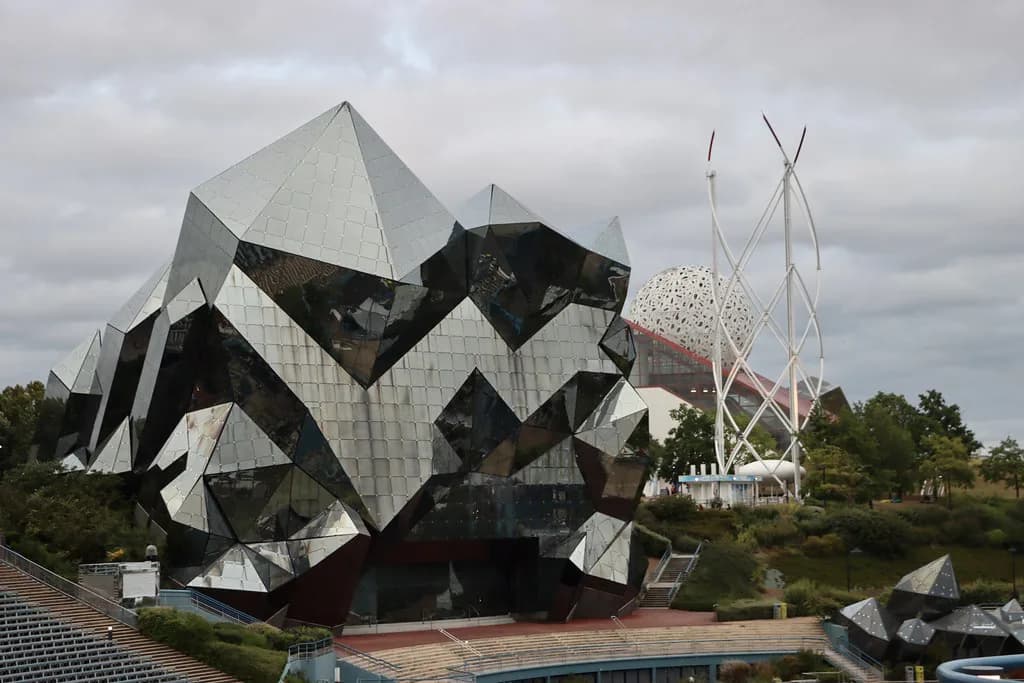
Futuroscope is built around screens, simulators and immersive arenas rather than tall roller coasters, which makes it a strong choice for families with school-age children, teenagers and anyone who enjoys film, space and virtual-reality style attractions. The park sits just outside Poitiers in western France and combines big simulator experiences with shows, indoor play areas and evening spectaculars. Groups who want thrills from steel track should look elsewhere; groups who want a full day of sit-down, immersive experiences will find plenty to fill it.
The wider Futuroscope destination includes the park itself plus the separate Aquascope water complex, and several hotels sit within walking distance. The published programme sets the show times and ride openings for each day, so build your route around that rather than a fixed list.
What Futuroscope is and who it suits
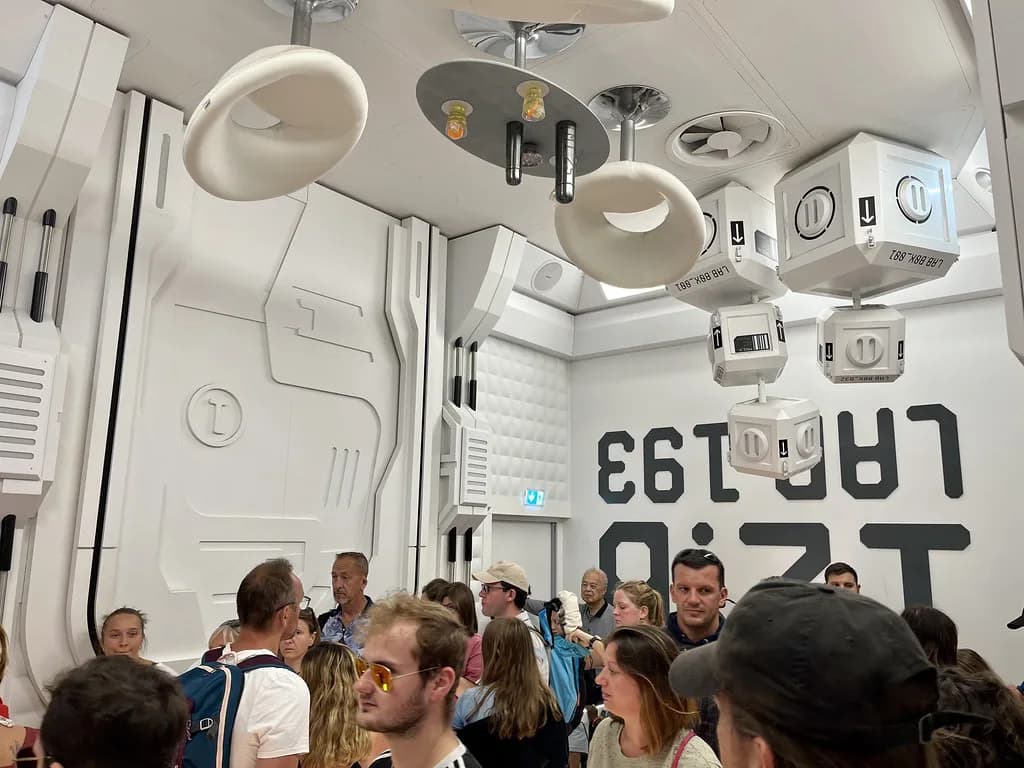
Futuroscope's attractions are mostly shown in seated theatres, simulator cabins or interactive arenas, with a handful of gentler outdoor rides alongside. A visitor described the line-up as virtual-reality arenas and rides, and highlighted a giant-screen flying simulator as the standout of the day. That mix means queues move in show batches rather than continuously, so the rhythm of a day here is closer to a cinema schedule than a coaster park.
Teenagers tend to gravitate towards the motion simulators and racing experiences, while families with children aged roughly six and over get the most out of the headline shows. Younger children have dedicated space in the children's areas, but many main attractions come with height conditions, so check each one before queueing.
Where Futuroscope is and how the park is laid out
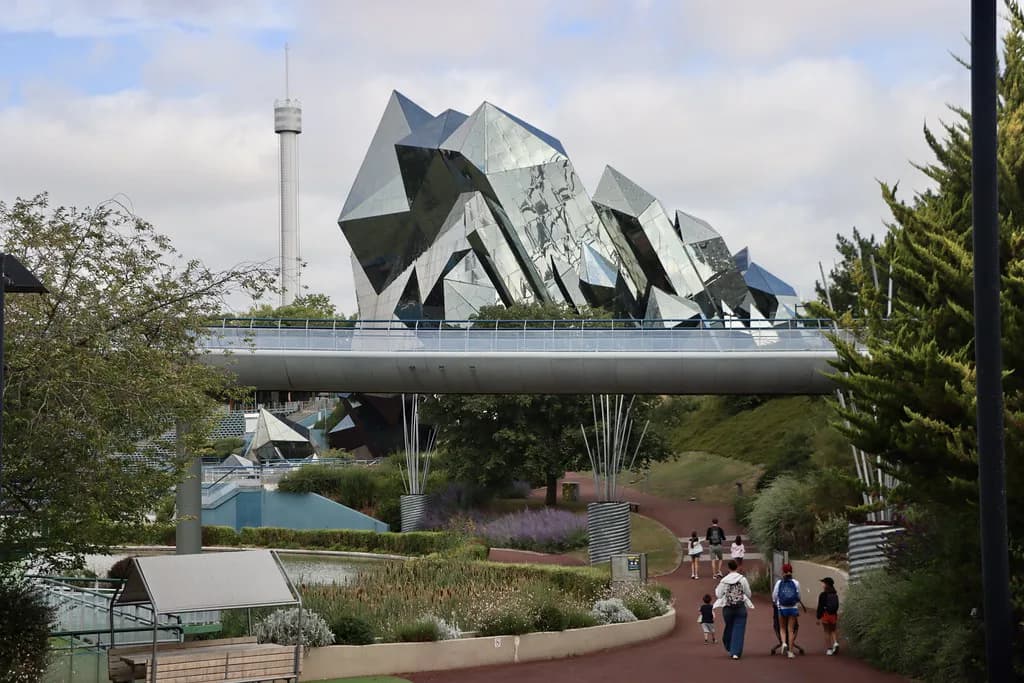
The park lies north of Poitiers, with its own station on the high-speed line and a network of approach roads from the city. Inside, the entrance opens onto a crossroads: one direction crosses the bridge into the main park, the other leads into Futuropolis, the area aimed at younger children.
The site is large and spread out, with wide paths, benches and giant bean bags for breaks between shows. A common mistake is to treat the park as compact; pick the two or three headline attractions you care about most and group the rest around them rather than walking back and forth.
The main ride areas: Futuropolis, the Astra and the studios
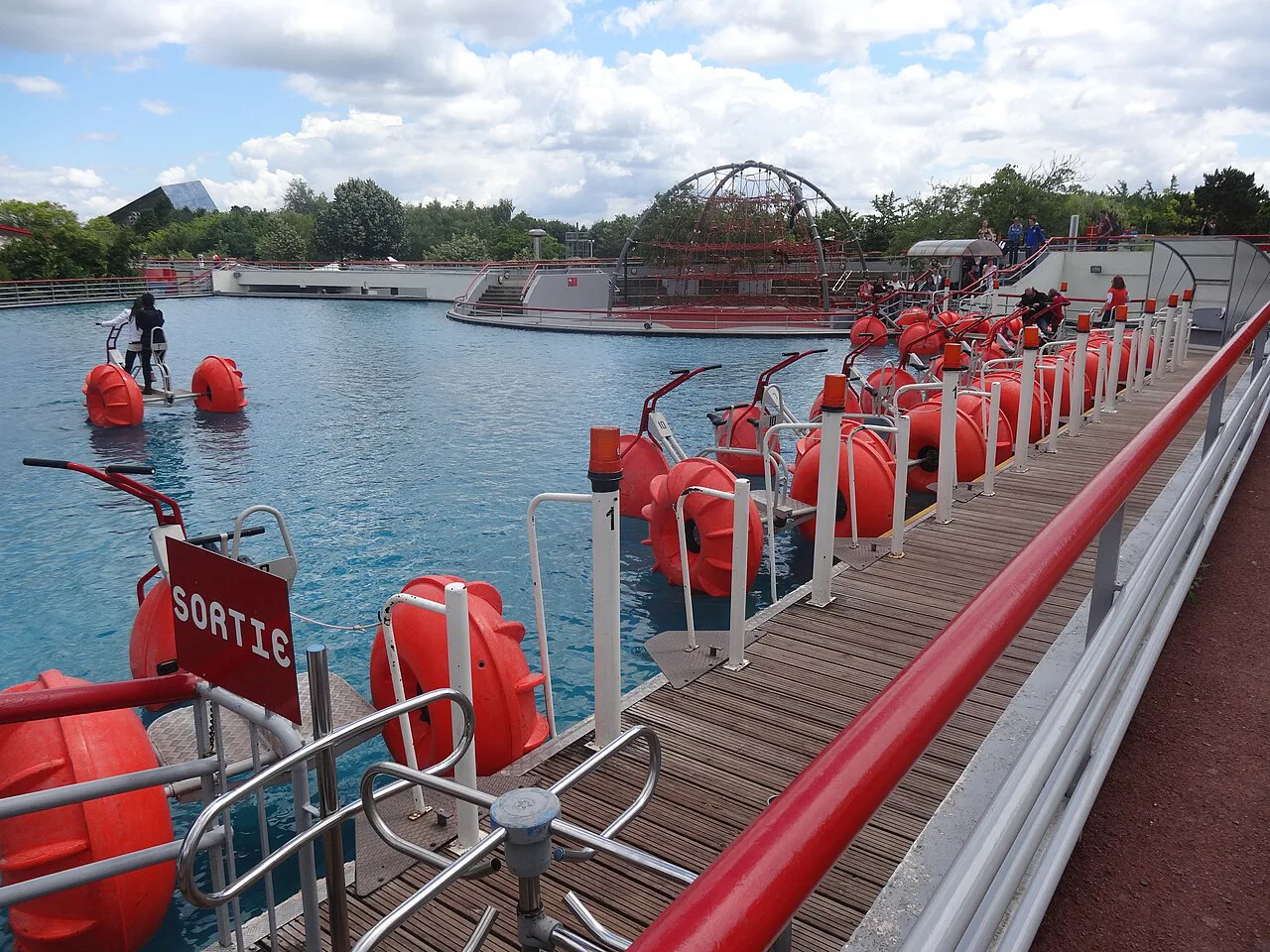
Futuropolis is a self-service play zone where children move between sky swings, small boats, hamster wheels, a driving test and floating rivers, with minimal staffing and plenty for them to try alone. A separate children's world recreates a town with job-themed activities, letting children pilot a plane or work a construction site. Both areas absorb a lot of time, which is worth knowing if you also want the big simulators.
The Astra building holds an indoor slide, a timed laser challenge, dance mats and a virtual-reality sports zone, so it works well as an afternoon stop when the outdoor paths get hot. Motion-heavy VR sessions can unsettle sensitive riders, so treat the sports area as optional rather than essential for every member of the group.
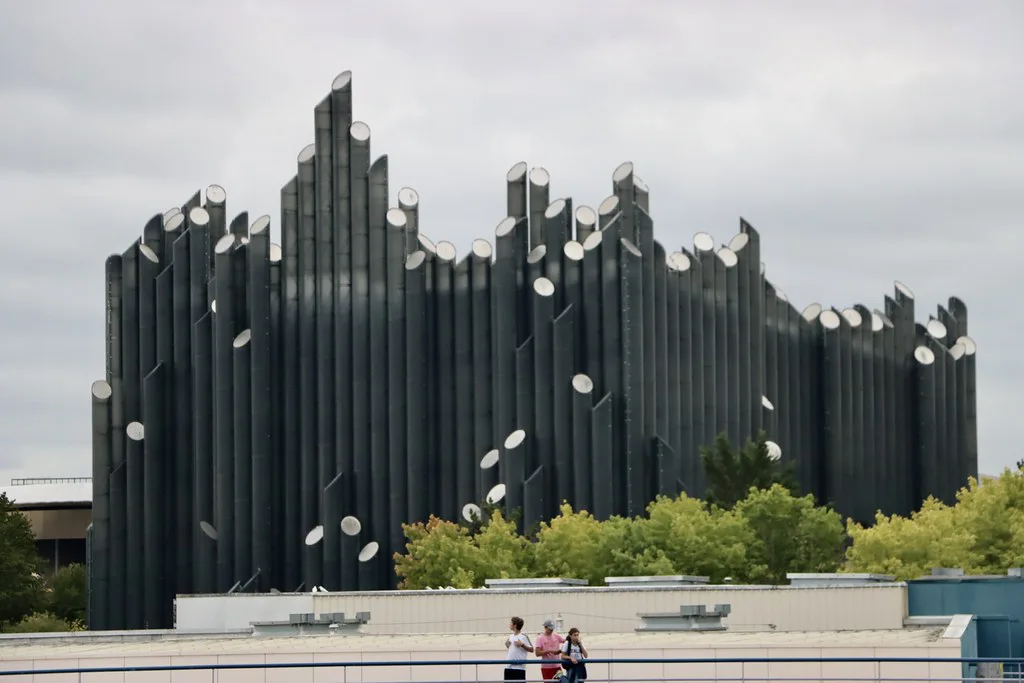
The studios and theatres that make up the core of the park are where the flagship films and simulator experiences screen. Because everything runs on a schedule, the printed day plan and the park app are the two tools that decide your route; the app shows live waits for each attraction.
Headline rides and simulator attractions worth planning around
The Extraordinary Journey is a flying simulator that lifts seated riders over world landmarks, and it consistently ranks as a favourite across age groups. Arthur and the Minimoys, a 4D adventure, is another headline draw, while the Lapins Crétins attraction appeals to younger riders and the Vienne Dynamique sits close to the main entrance. Racing and space-themed simulators round out the line-up for older visitors.
Popular attractions sit at both ends of the park, and crowds tend to surge towards whatever is nearest the main entrance when gates open. Starting with the attractions at the back of the park and working forwards through the day usually beats following the flow.
Rides and areas for younger children, with height rules
At the entrance, children are measured and given a coloured wristband that corresponds to their height, which staff use at each attraction. Many larger experiences require a minimum height in the region of 1.20 m, so younger children often end up waiting with one parent while the other rides. A four-year-old would find most of the park out of reach, and the children's areas are the realistic focus for that age.
Families with younger children should build the day around Futuropolis and the children's world, then add one or two height-compliant shows. Strollers can be hired in the park, which helps given how much walking the layout involves.
If you need the current ride-by-ride height chart before booking, Futuroscope publishes it alongside the attraction list. Families planning around younger children should read the full height rules before buying tickets.
Thrill and motion-sickness decisions: what to expect from simulator rides
Simulator attractions here are convincing enough to trigger motion sickness in adults as well as children. One visitor reported that a train-based simulator left two family members needing about an hour to recover, and that the VR skiing session in the Astra produced a similar effect. If anyone in your group is prone to travel sickness, sequence the gentler shows between the big simulators rather than stacking them back to back.
Beyond the simulators, the park does not chase extreme thrills: the appeal is immersion, scale and spectacle. Groups who want inversions and airtime should set their expectations accordingly and treat Futuroscope as a half-day of rides plus a full day of experiences, and the same decision in reverse applies at Disneyland Paris, where a Disneyland Paris guide helps you weigh coaster-heavy days against gentler immersive ones.
A rainy day changes the calculation rather than ruining it, since most headline attractions are indoors. Outdoor areas like Futuropolis and the plaza become less appealing in wet weather, so shift your route towards the theatres and Astra.
Ticket types and what each includes
Booking online in advance gives you a clear view of the day-by-day rates and lets you print tickets so you skip the ticket-window queue on arrival. The park prices by date, and the calendar on the official booking page is the reliable place to see what a given day costs before you commit.
Ticket structures typically distinguish dated entry from more flexible options, and multi-day tickets usually work out better value than two single days if you plan to return. Read what each fare includes before paying, particularly around the separate water complex.

Priority passes and how queue-jump products work
The Pass Premium is the park's paid upgrade for priority access to attractions, and it also carries a discount on purchases inside the park and other benefits. It makes most sense on peak summer dates when standard waits stretch past an hour on the biggest attractions.
Outside school holidays, waits drop sharply, and a November weekend visit produced a maximum wait of about twenty minutes. On those days the upgrade rarely pays for itself, so compare the pass against the waits your dates are likely to produce.
How long to stay: one day, two days or a weekend
Two days is the comfortable length for a first visit and lets you repeat favourite attractions two or three times without rushing. One well-planned day covers the main experiences but leaves little slack, and three days is generally more than the park needs outside peak season.
Pairing a Saturday and Sunday works well because Sundays tend to be quieter and the park closes earlier, which concentrates visitors into a shorter window. If your dates fall in summer, a third day gives breathing room for waits rather than extra content.
A weekend also leaves time to add the water complex without sacrificing the park itself. Decide early whether the water park is part of the trip, because it changes both ticket choice and how you split your days.
Futuroscope hotels and staying near the park
Several hotels cluster around the park and the station, making a car-free stay realistic. Staying close means you can walk to the gates in the morning and back at night without dealing with car park exits after the evening show.
Accommodation is booked through the destination's own booking channels, where packages combining hotel and park entry sit alongside room-only rates. Those packages often bundle breakfast and entry, so compare the total against buying each element separately before choosing.
Getting there by car, train and shuttle
Futuroscope is served by its own station on the high-speed line, with the journey from Paris taking roughly an hour and a half, and shuttles connect the station and the airport with the park. Driving is straightforward from the motorway network around Poitiers, with signposted exits for the park.
By air, Poitiers-Biard Airport handles regional flights and sits a short transfer from the park, while Paris airports work better if you are combining Futuroscope with other French parks. Check onward train times before committing to an arrival airport.
If you are linking several parks in one trip, Futuroscope slots neatly between a Disneyland Paris stay and a northern park. Plan the rail legs first, because the TGV connection does most of the work.
Parking and the secondary entrance by the station
Car parks at the park are paid, and paying on arrival speeds up your exit at the end of the day. The station car park is a small, separate option with a footbridge into the back of the park near Arthur and the Minimoys.
The footbridge opens at the same time as the main gate and drops you at the far end of the park, which saves a long walk if the back-of-park attractions are your first target. It closes before the evening show, so anyone using it for a late finish faces a walk back to the station along roads with limited pavement.
Quieter days and how the park calendar works
School-term weekdays and off-peak weekends are the calmest, and November visits have produced waits of twenty minutes or less. Summer holidays push waits on the main attractions past an hour, which is when planning and priority access matter most.
The park publishes a daily programme setting show times and openings, and the app carries the same information live. Build a short list of must-do attractions before you arrive, then fit the rest around the show schedule rather than the other way round.
The official calendar is where opening days, hours and dated ticket prices are confirmed; check it once your dates are settled and again a few days before travel.
Food, snacks and picnic rules
Picnics are allowed inside the park, which keeps costs down for families, and there is a full range of options from snacks to table-service restaurants. La Crêpe Volante serves crêpes, kebabs and burgers in generous portions, and La Table d'Arthur runs as a buffet.
Restaurant queues build between noon and two, so eat early or late to avoid them. A quiet snack point sits inside the children's world near Futuropolis, serving both savoury food and ice cream, and it is easy to miss.
Accessibility, baby care and rider swap
Because many attractions are seated shows and simulators, access varies by venue rather than following one park-wide rule. Futuroscope's accessibility guide sets out which attractions accept wheelchair users, what assistance is available and how to arrange it before your visit.
Rider swap works informally at the big attractions: one parent rides while the other waits with a child, then the second adult enters without rejoining the main queue. This makes the height wristband system workable for families with a mix of ages, though it does slow the day down.
Evening shows, fireworks and seasonal events
The evening finale combines lasers, water and fireworks in a crescent-shaped outdoor seating area, and it runs at the end of the day in season. Because it is outdoors, weather can cut the show short, so treat it as a bonus rather than the fixed end of your evening.
Halloween and Christmas periods bring themed programming to the park, with scare attractions and seasonal shows added to the standard line-up. Dates and content change each year, so match your trip to the published season rather than last year's calendar.
Aquascope and whether to combine it with the park
Aquascope is a separate water complex alongside the park, with pools, slides and spa-style areas rather than theme park attractions. It is worth treating as its own half-day or evening rather than squeezing it between park rides.
Combining both in one day is possible only with an early start and a narrow list of must-do attractions. Most visitors do better with a two-day ticket that gives the park a full day and the water complex a slot of its own.
Practical itinerary: morning, afternoon and evening
Start with the attractions at the back of the park, either by walking through or by arriving via the station footbridge, then work forwards as the day fills. Book the headline simulators into the slots that fit the published show times, and keep the children's areas for the mid-afternoon lull.
Use the late morning and early afternoon for the biggest queues, take a long break when restaurants empty out, and finish with the outdoor areas or the evening show. On a two-day visit, dedicate the second morning to anything you missed and the afternoon to favourites.
Plan Your Visit
Futuroscope works best when you treat it as a scheduled day of shows and simulators rather than a free-roaming ride park, choosing your must-dos first and letting the programme shape the rest. Two days gives the most comfortable pace, with a weekend that includes a quieter Sunday fitting well, and the station footbridge is worth knowing about if you want to start at the back of the park.
Explore more Futuroscope guides
Frequently Asked Questions
Is Futuroscope suitable for young children?
Children around six and over get the most from the main shows and simulators, while under-fives spend most of their time in Futuropolis and the children's world. Many larger attractions have a minimum height in the region of 1.20 m, checked with a coloured wristband at the entrance, so plan around the smaller areas if your group includes toddlers.
How many days do you need at Futuroscope?
Two days is the comfortable choice for a first visit and allows repeat rides on favourites without rushing. A single well-planned day covers the headline attractions but leaves little slack, while three days usually exceeds what the park offers outside peak summer dates.
Can you visit Futuroscope and Aquascope in one day?
It is possible only with an early start and a short list of must-do park attractions. Most visitors get more from splitting the park and the water complex across two days, especially in summer when waits on the main attractions are longest.
Do you need a priority pass at Futuroscope?
The Pass Premium gives priority access and a discount on park purchases, and it earns its keep on peak summer dates with hour-long waits. Outside school holidays waits drop sharply, so check the likely crowds for your dates before paying for an upgrade.
Are picnics allowed at Futuroscope?
Yes, you can bring a picnic into the park, which keeps costs down for families. If you eat in the restaurants instead, go before noon or after two to avoid the busiest queues.
Where is Futuroscope located?
The park sits just north of Poitiers in western France, with its own high-speed rail station and road links from the surrounding motorway network. Shuttles connect the station and the regional airport with the park, and several hotels are within walking distance.
What are the best rides at Futuroscope for teenagers?
Teenagers usually head for the flying simulator The Extraordinary Journey, the 4D Arthur and the Minimoys adventure, and the racing and space simulators. Motion-sensitive riders should space the simulator experiences out, as several can leave people feeling unwell for a while.
Sources
Notes for your next park day
Optional updates to our park guides.
You might also like


Continue reading
More guides you'll find useful