Phantasialand Map: Themed Areas and Ride Layout Explained
Use the Phantasialand map to plan your day: themed areas, where the headline rides sit, where food and shows cluster, and a route that limits backtracking.
On this page
Phantasialand is laid out as a cluster of themed worlds rather than a single wide boulevard, so the park map quickly becomes the most useful tool in your day. Ride entrances sit inside elaborate buildings and village streets, which means the biggest attractions are not always visible from the path. Reading the layout before you arrive lets you route the thrill rides early and keep the family attractions for when the morning rush has moved on.
What the Phantasialand map shows and how the park is laid out around a central hub
The park occupies a compact site in Brühl, North Rhine-Westphalia, and the map reads as a loop of themed zones connected by short paths. Most routes pass through a central hub area, which is why a single wrong turn can send you back through the busiest walkways. Treat the hub as your reset point: whichever world you leave, you can usually rejoin the loop here.
A usable planning map needs to do three things: show the themed zones in walking order, mark the headline coaster in each one, and mark where food, toilets and shows cluster so you are not crossing the park for lunch. The interactive layout plots attractions by type so you can see the ride, restaurant, show and shop markers in one view.
Because several attractions sit inside buildings, an alphabetical ride list is the least helpful way to plan. The park operator publishes its own park map, which is worth downloading to a phone before you travel. Pair it with the Phantasialand guide, which walks through each world and what it contains.
Themed areas in walking order from the entrance
From the entrance, the natural walking order tends to run through the old-town streets and into the central zones before opening out into the big coaster worlds. The map groups the park into clearly themed areas, including Klugheim, Mexico, Africa and Berlin. Each one has its own ride cluster, so it helps to decide how many worlds you want to cover before lunch and how many after.
The park lists seven rollercoasters, two water rides, two dark rides, nine flat rides and two walkthrough attractions, which gives you a rough sense of how the day splits between headline coasters and gentler attractions.
Klugheim: Taron and Raik and the village setting
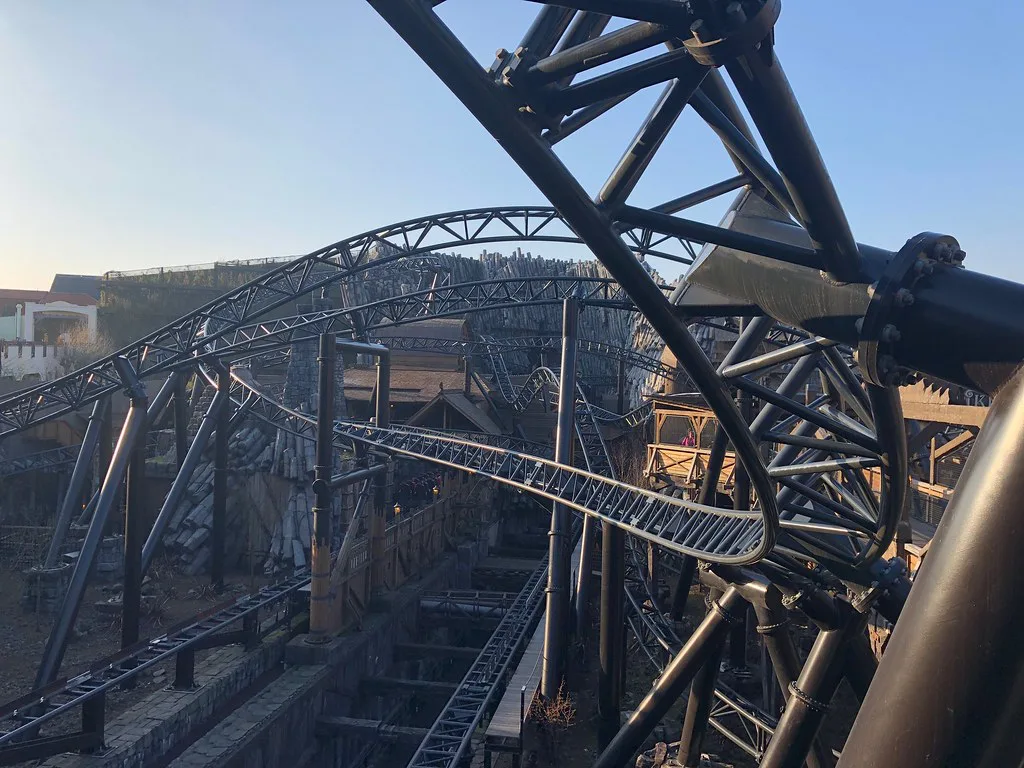
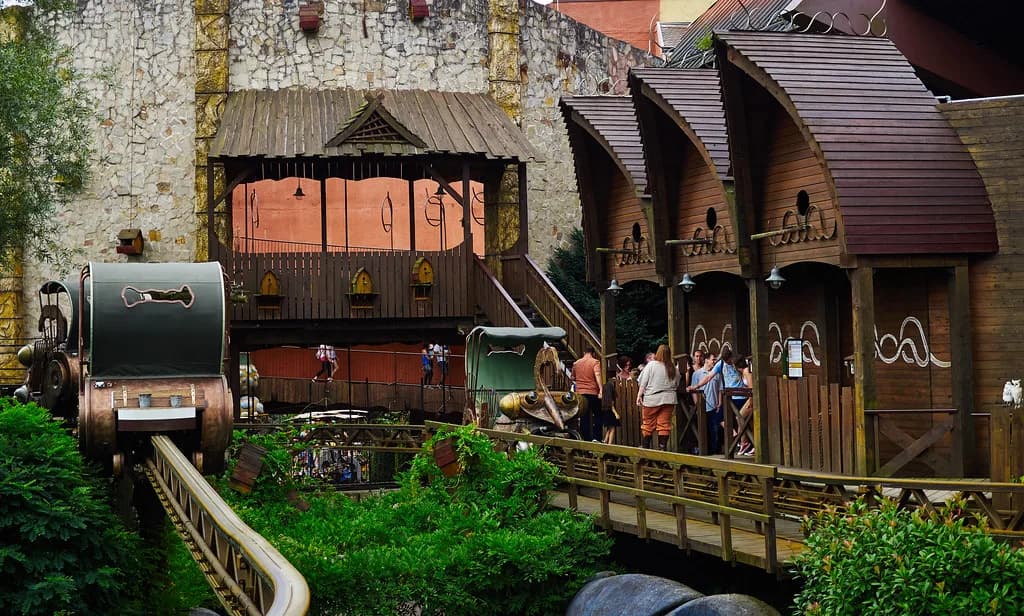
Klugheim is the basalt-and-timber village world built around Taron, the park's headline multi-launch coaster, with Raik running alongside it as the family-friendly companion coaster. The two sit close enough that a group can split between them and regroup in the same village square. Wandering the narrow streets is part of the appeal, but the ride entrances are tucked into the buildings, so look for the queue signs rather than expecting a wide plaza.
Because Klugheim is one of the most densely themed sections, it draws a steady flow of visitors throughout the day. The practical route is to reach this world early, ride what you came for, and return in the late afternoon if the queue has eased. Ride details and suitability for different ages are in the Phantasialand rides overview.
Africa: Black Mamba and the surrounding area
The Africa zone is built around Black Mamba, the park's inverted coaster, with the surrounding village, plaza and food stalls designed to feel like an African settlement. The ride entrance sits within the theming, so follow the zone's main path rather than cutting through side trails. Deep in Africa connects naturally to this area, letting you combine the coaster with a slower walkthrough.
Africa is one of the park's big-thrill clusters, alongside Klugheim and Mexico, which makes it a sensible second stop on a rope-drop morning. Pairing it with the neighbouring trail lets the group split between coaster riders and walkers without losing time.
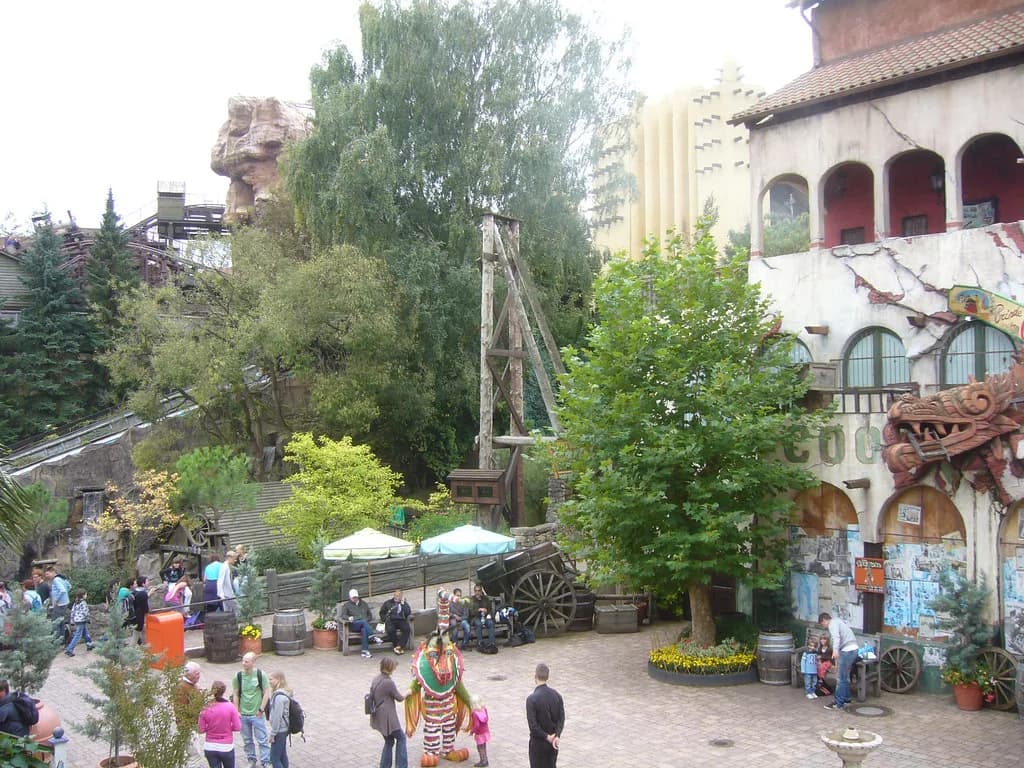
Mexico: Chiapas, Talocan and the water rides
Mexico brings together Chiapas, the park's log flume, and Talocan, the top-spin flat ride, in a plaza-themed setting. The water ride and the flat ride sit close together, so families and thrill-seekers can stay in the same area. Expect to get wet on Chiapas, and plan the ride for the warmer part of the day if you want to dry off naturally.
Talocan is one of the park's nine flat rides, and the Mexico plaza is a good meeting point because it has food and drink nearby.
Deep in Africa and the walkthrough trail
Deep in Africa is the walkthrough trail that runs alongside the Africa zone, giving you a slower, cooler route through the theming. It is one of the park's two walkthrough attractions, so it works well as a break between coasters. The path is worth including on your walking order because it links the Africa area back towards the rest of the park.
The River Quest water ride also sits in this part of the park, adding another option for groups who want a water-based break between the coasters.
Berlin and the surrounding old-town streets
Berlin recreates an old-town street scene with food, shops and shows, making it one of the natural places to pause for lunch or a coffee. The area's indoor and street-level attractions make it a useful wet-weather refuge. The Kaiserplatz and surrounding streets are where the park's shows and character appearances tend to cluster, so a look at the show times helps you plan around them.
Fantasy: Winja's, Crazy Bats and the family rides
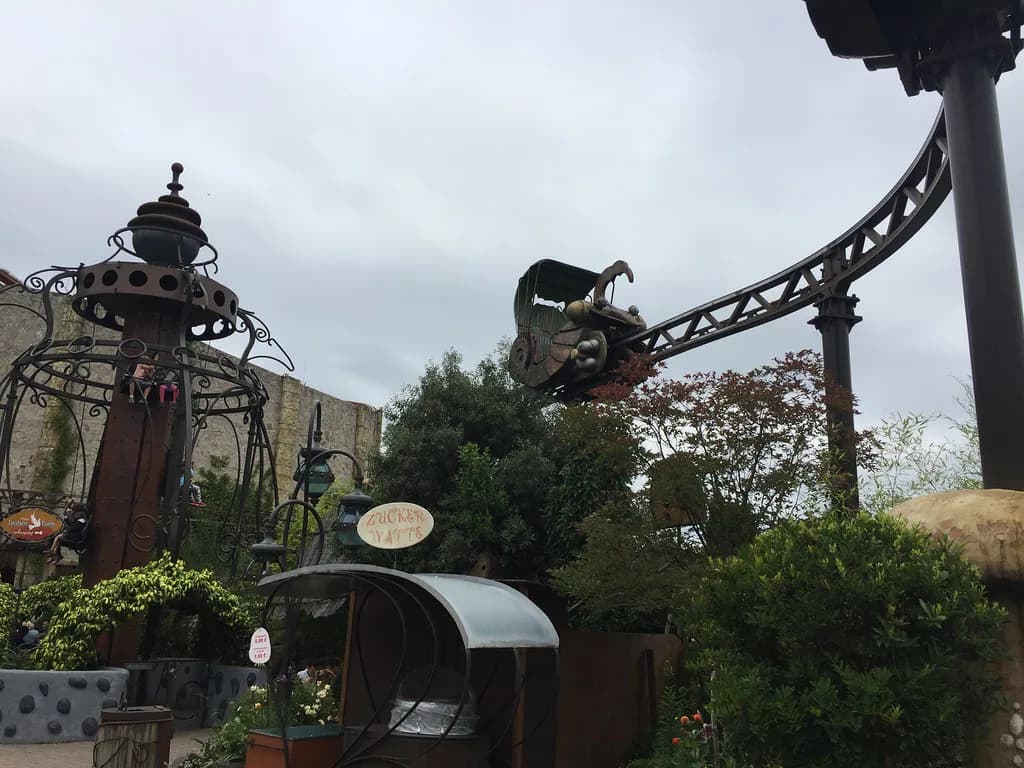
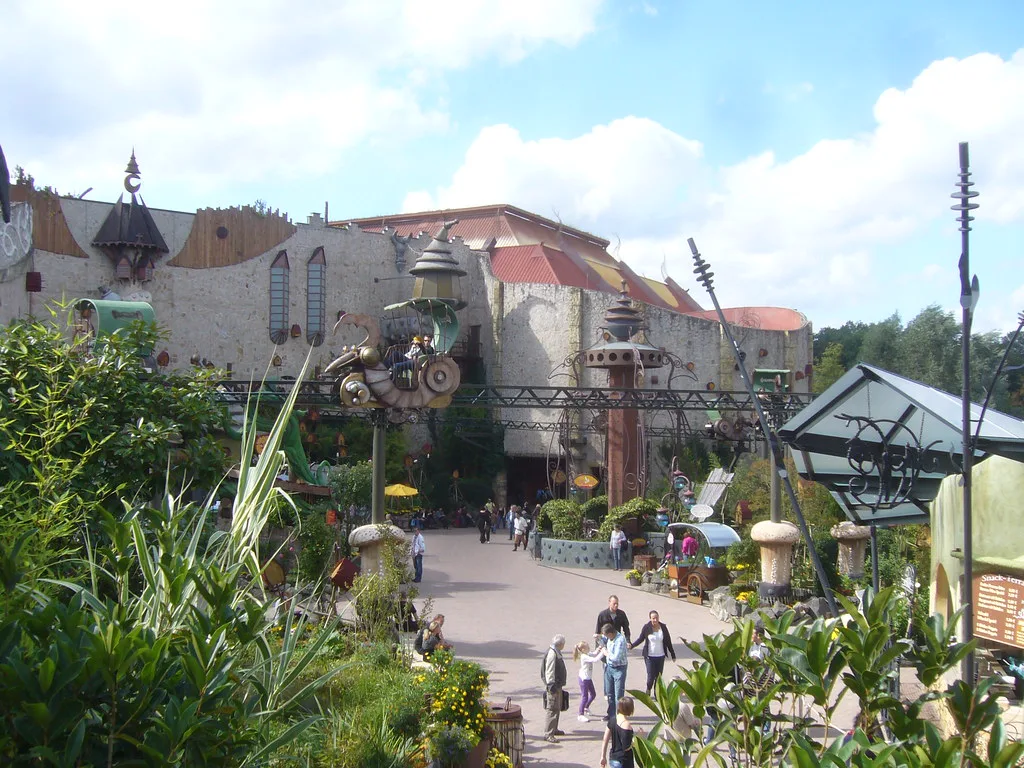
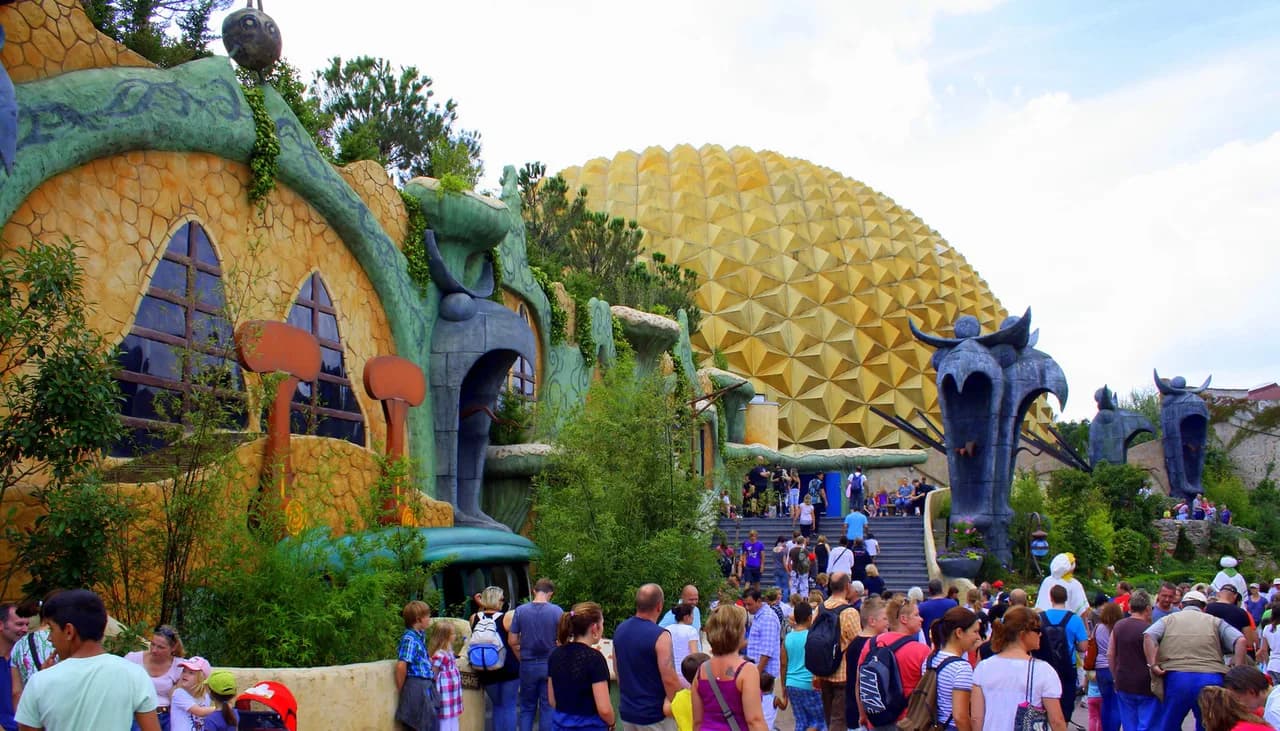
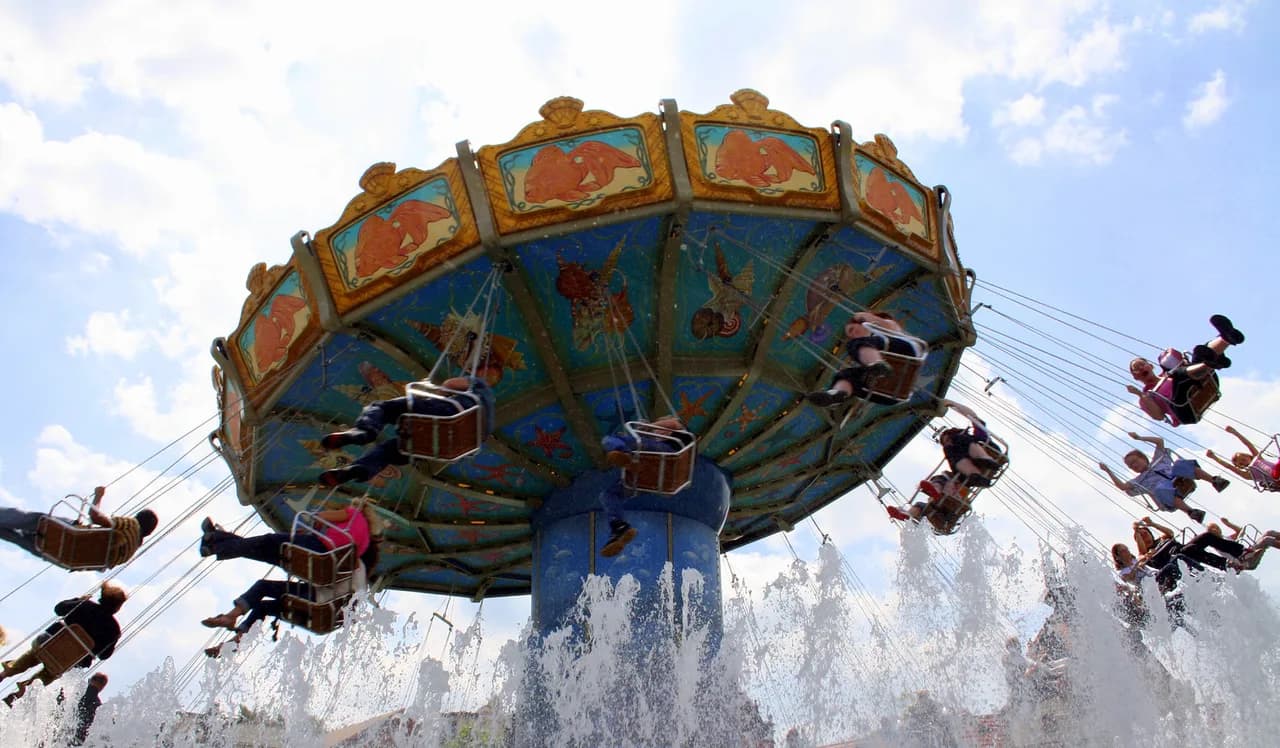
The Fantasy area holds Winja's, the spinning coaster, Crazy Bats, the indoor coaster, and a cluster of family rides including the Wellenflug wave swinger and Wolke's Luftpost. Because several of these sit indoors or within buildings, they are easy to miss if you are only following the big coaster signs. Use the map to mark the entrances before you set off, then work through them as a block.
China and Mystery: the indoor and walkthrough attractions
China and Mystery are where the park's indoor dark rides and walkthrough attractions sit, including Maus au Chocolat, Geister Rikscha and the walkthrough attraction Das verrückte Hotel Tartüff. These are the rides that keep the day moving when the weather turns or when the family needs a break from coasters. Route them between the outdoor headline rides rather than leaving them for the end of the day.
Where the big thrill rides cluster versus the family areas
The big coasters cluster in Klugheim, Africa and Mexico, which means a thrill-focused morning can be spent moving between those three worlds without crossing the park. The family areas, by contrast, spread through Fantasy and Berlin, with the walkthrough trails in Africa and China giving younger visitors a slower pace. Planning two loops, one thrill-heavy and one family-oriented, cuts down on backtracking.
If you are travelling with a mixed group, use the central hub as a dividing point and agree a meeting time. That way the coaster riders can work through Klugheim and Africa while the rest of the family stays in Fantasy or Berlin.
Rides for younger children and where to find them
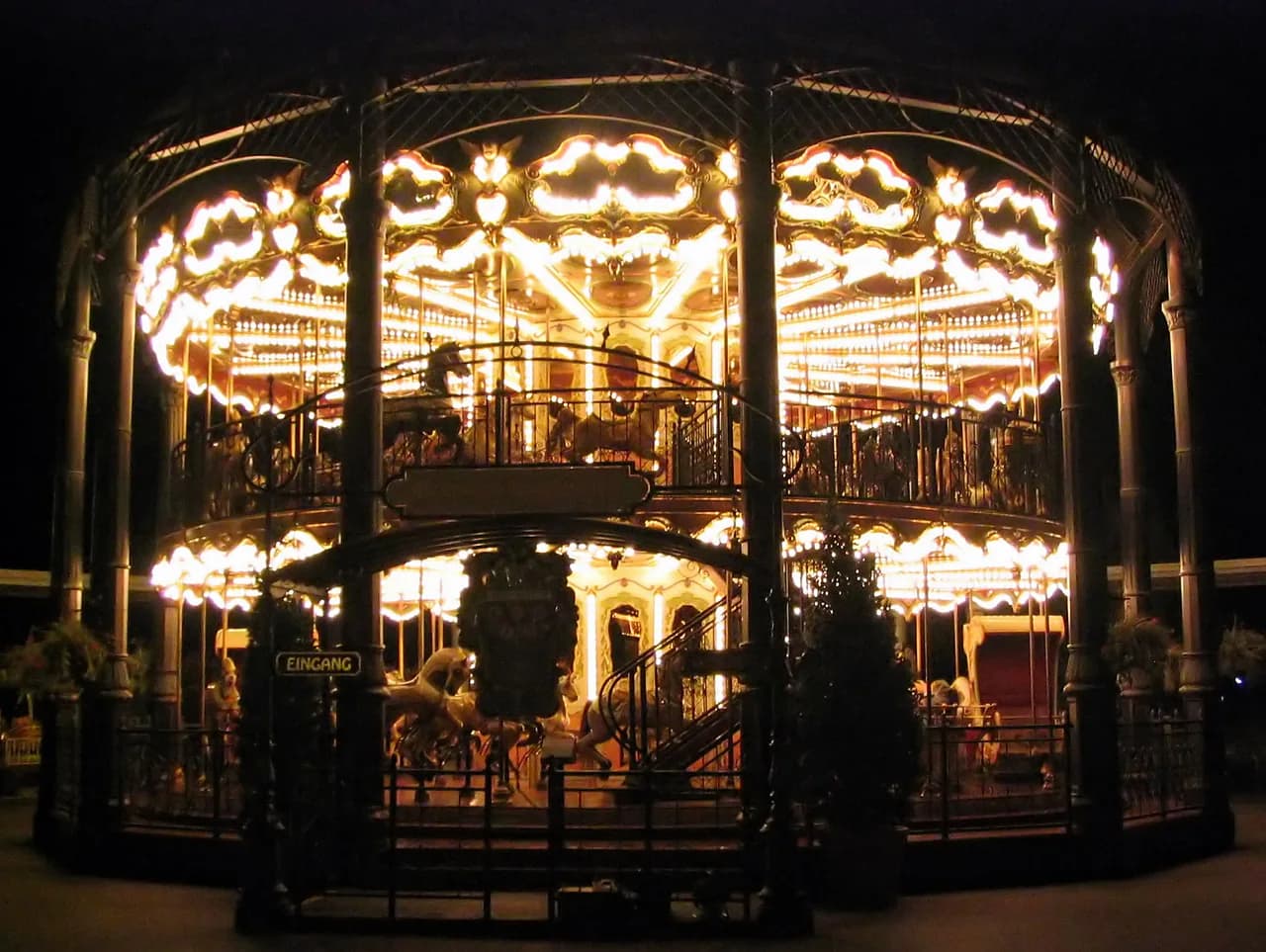
Younger children are best served in Fantasy, where the carousel, wave swinger and Wolke's Luftpost sit close together, with the walkthrough attractions in Africa and China adding another option. Check the height requirements at each ride entrance before queuing, because the park's own height chart is the source of truth and it varies between attractions.
For a family day, the map's real job is to keep you within a few steps of the next ride so the children are not walking long distances between attractions. Grouping Fantasy with Berlin and the walkthrough trails gives you a full morning without a single long walk.
Food, drinks and picnic spots by area
Each themed world has its own food offerings, and the park serves regional dishes tied to the area they sit in. Uhrwerk, Phenie's Shakes & Pancakes and Emilie's Chocolates & Candy Workshop are among the named food outlets. Where the map shows a cluster of restaurants, that usually marks a good place to stop for lunch.
For picnic planning, the park's own website is the source to consult for current rules on bringing food into the park, since policies can change between seasons. Look for the visitor information section rather than relying on a map alone.
A sample one-day walking route from rope drop
A sensible one-day route starts in Klugheim to ride Taron and Raik early, then moves through Africa for Black Mamba and the Deep in Africa trail before heading to Mexico for Chiapas and Talocan. After lunch in Berlin, work through the indoor attractions in China and Mystery and finish in Fantasy with the family rides. This order follows the map's natural loop and keeps long walks to a minimum.
For a two-day visit, split the park into a thrill day and a family day, using the same walking order but reversing the emphasis. If you are comparing parks, the Europa-Park map offers a useful contrast in how a larger site organises its themed worlds.
How crowd flow shifts through the day and what to do first
Crowd flow in most theme parks follows the same pattern: the headline coasters queue heavily in the first hour as guests head straight for the biggest names, then ease as the day moves on. At Phantasialand, the compact layout means the Klugheim and Africa paths carry a lot of foot traffic in the morning. Plan to reach those worlds early and leave the indoor attractions for the busiest hours.
Accessibility, baby care and rider swap locations
Accessibility and rider swap arrangements are managed at individual attractions, with staff at each entrance able to explain the process for that ride. The official Phantasialand website carries the current accessibility guide, which is the place to check the arrangements for your group. Baby care facilities are shown on the park map alongside toilets and first aid points.
Opening hours and seasonal events on the calendar
Opening hours vary through the season, and the official calendar on phantasialand.de is the only reliable source for the day you plan to visit. Seasonal events, including the Winter Experience, run alongside the main season. The Phantasialand opening times page sets out how the calendar is structured.
The Winter Experience is the park's winter event and runs from late November into early January, but exact dates change each year.
Official Phantasialand maps and planning tools
Phantasialand opens its gates daily with published opening times, and the park's official website is the place to confirm the day's hours. Third-party planners show the layout in a different style and are useful for spotting ride entrances at a glance. Use phantasialand.de for opening times and a third-party map for a quick overview of where the rides sit.
Plan Your Visit
Phantasialand rewards a little map reading before you arrive: route Klugheim, Africa and Mexico as your thrill loop, save Fantasy, Berlin and the walkthroughs for the busier middle of the day, and treat the central hub as your reset point. If you are staying overnight, the Phantasialand Hotels Compared page covers the on-site options and how they change your rope-drop timing.
Check the official park map and calendar before you book, since opening hours and event dates shift through the year.
Explore more Phantasialand guides
- Phantasialand Queue Times and How to Plan Your Day
- Taron at Phantasialand
- How to Get to Phantasialand
- Phantasialand Accessibility Guide for Disabled Guests and Carers
- Phantasialand at Halloween
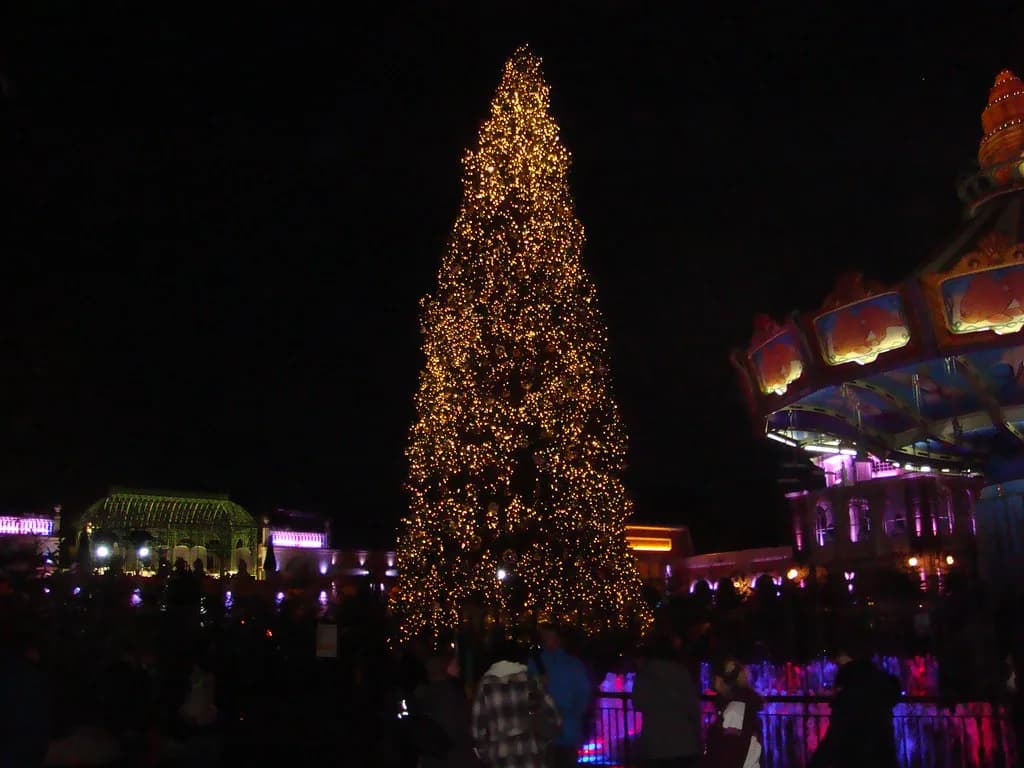
- Phantasialand Christmas
- Phantasialand Fast Track
- Phantasialand Food
- Phantasialand Height Restrictions
- Phantasialand Water Park
- Phantasialand Weather
- Heide Park Map
Frequently Asked Questions
How many days do you need at Phantasialand?
One full day covers the headline coasters and most themed worlds if you follow a loop from Klugheim through Africa and Mexico to Fantasy. Two days suit families or groups who want to split a thrill day from a slower family day, using the walkthrough trails and indoor attractions as the pace-setters. Booking dated tickets for the days you actually need is simpler than squeezing everything into one long day.
Which area of Phantasialand has the biggest rides?
The thrill rides sit in three connected worlds: Klugheim with Taron and Raik, Africa with Black Mamba, and Mexico with Chiapas and Talocan. Routing those three as one morning loop avoids crossing the park twice. The Phantasialand rides overview covers each attraction and who it suits.
What is the closest city to Phantasialand?
The park sits in Brühl in North Rhine-Westphalia, with Cologne and Bonn the nearest large cities for rail connections and overnight stays. Brühl's own station is the closest railhead, and local buses connect it to the park. Build the transfer into your morning so you arrive near opening rather than mid-morning.
Which rides are best for young children at Phantasialand?
Fantasy is the core area for younger children, with the carousel, wave swinger and Wolke's Luftpost close together, plus Winja's and Crazy Bats for slightly older children. The walkthrough trails in Africa and China give smaller visitors a slower option between rides. Height requirements are posted at each ride entrance and vary between attractions.
Sources
Notes for your next park day
Optional updates to our park guides.
You might also like
Continue reading
More guides you'll find useful