Europa-Park Map: Choose Your Themed Route
Europa-Park packs 15 European-themed areas into one day out. See how the layout works, where the big coasters sit and how to plan a walking route.
On this page
Europa-Park in Rust, Baden-Württemberg, is built as a circuit of European-themed areas rather than an American-style grid, so your route choice matters more than at most parks. The park opened in 1975 and sits on the edge of the Black Forest, close enough to France and Switzerland that a short break can combine all three. Working out the loop before you arrive saves the long walk back across the park that catches out first-time visitors. If you enjoy planning a route around themed areas, the same approach works when reading the Phantasialand map in North Rhine-Westphalia.
Why Europa-Park's layout matters
Because the areas form a ring, you can walk the park in either direction and end up back near the entrance without retracing your steps. That makes the first decision of the day the simplest one: turn left or right after the main entrance and commit to a direction. Groups that zig-zag between headline rides waste more time than groups that walk one clean circuit.
The park is owned by the Mack family, whose ride-manufacturing business supplies much of what you ride, so the layout doubles as a showcase for the company's hardware. That heritage explains why the coaster line-up is unusually deep for a family park and why the themed areas are built to a consistent standard rather than as isolated set pieces.
How many themed areas and what the map shows
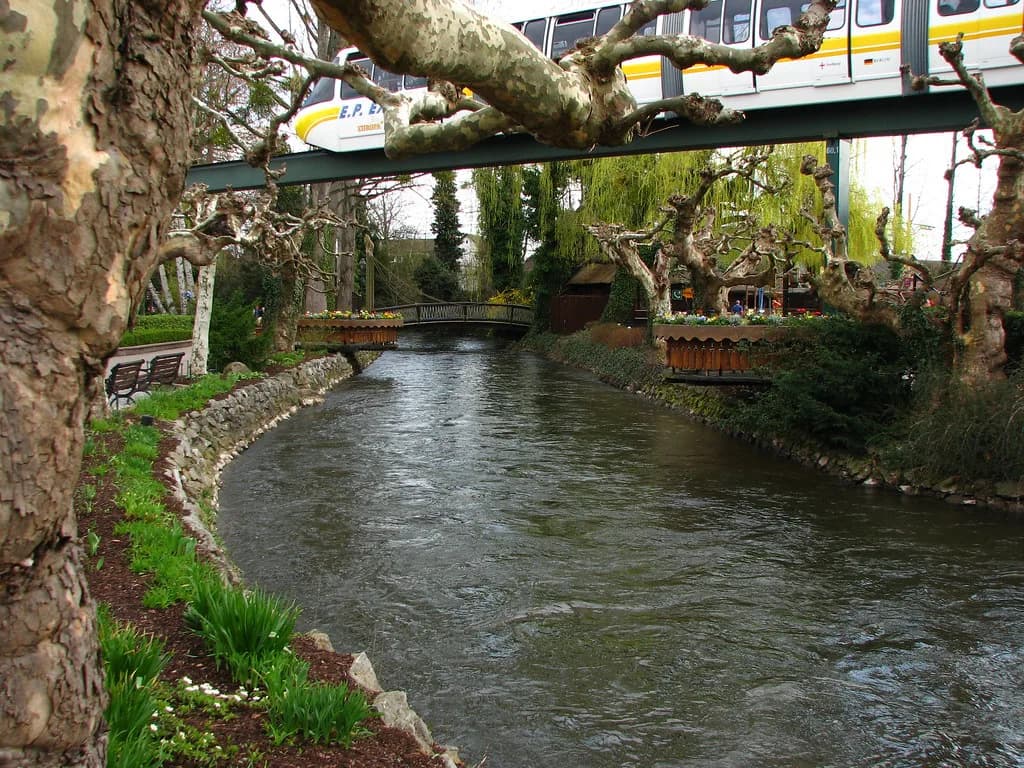
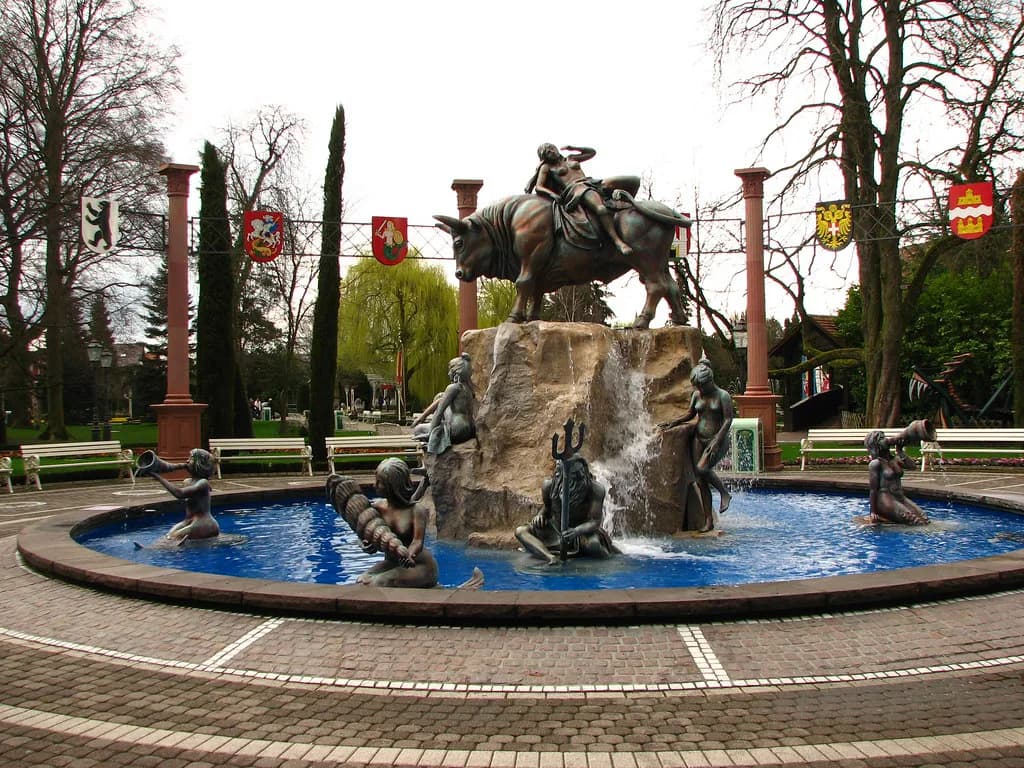
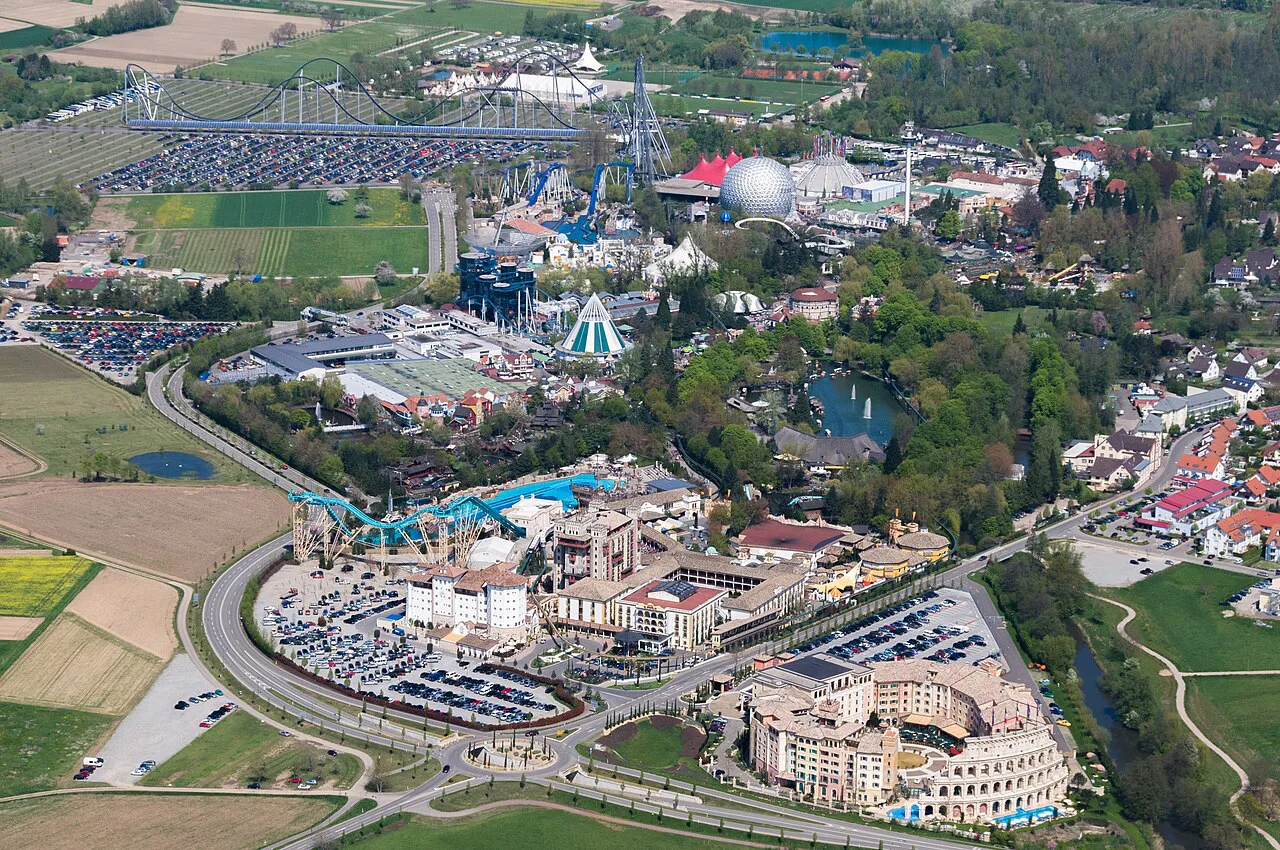
Europa-Park is split into 15 European-themed areas, each dressed as a different country with matching architecture, planting and food. The park publishes a full attraction list and map on its official site, with areas such as Austria, Switzerland, Scandinavia, Germany, Italy, France, Holland, Ireland, Greece, Portugal, Spain and Russia among them. Several areas are small and easy to pass through without noticing, so it helps to know which ones carry the rides you care about.
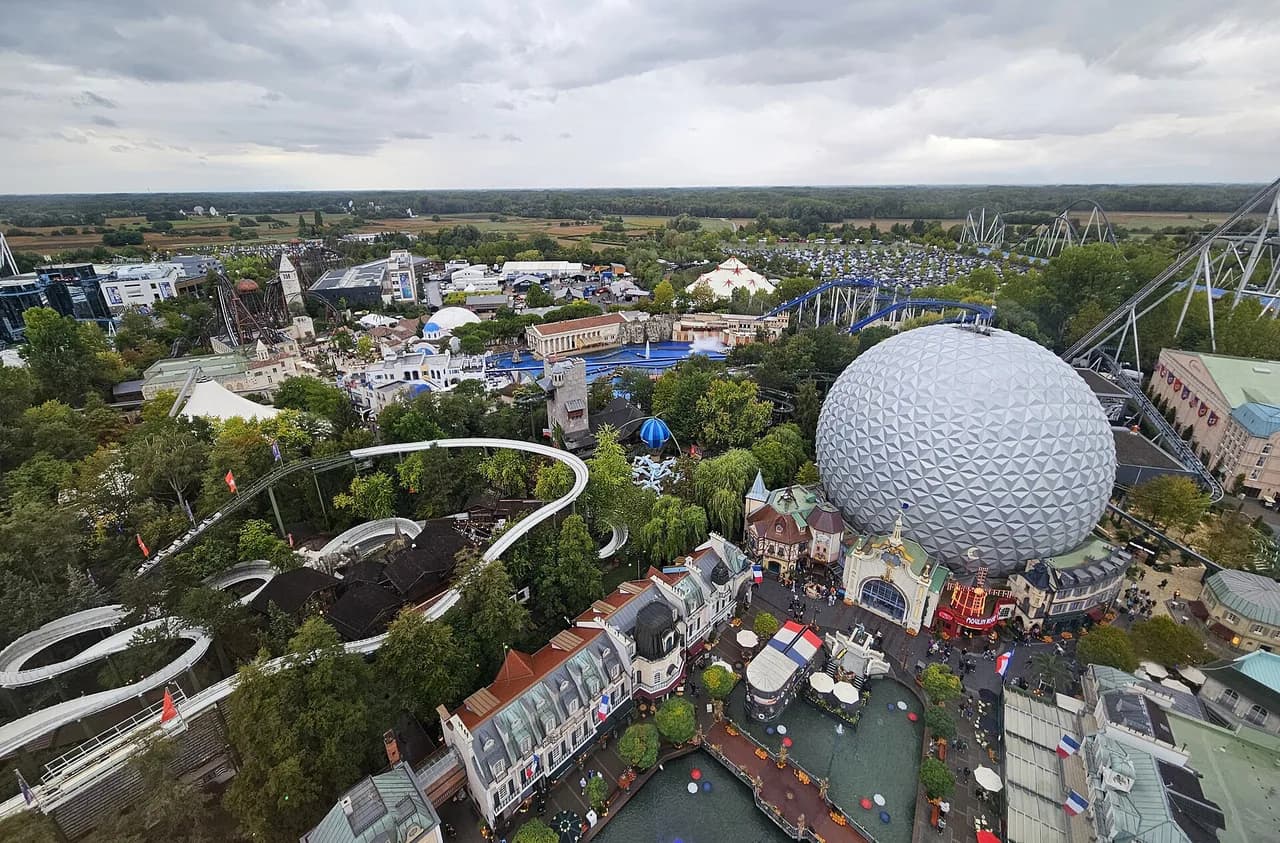
The 2015 park map shows the circular structure clearly, and the ring has not fundamentally changed even as individual attractions have come and gone. Use an old map only to understand the shape of the park; the current map, published on europapark.de, is the one to plan from because it reflects this season's attractions.
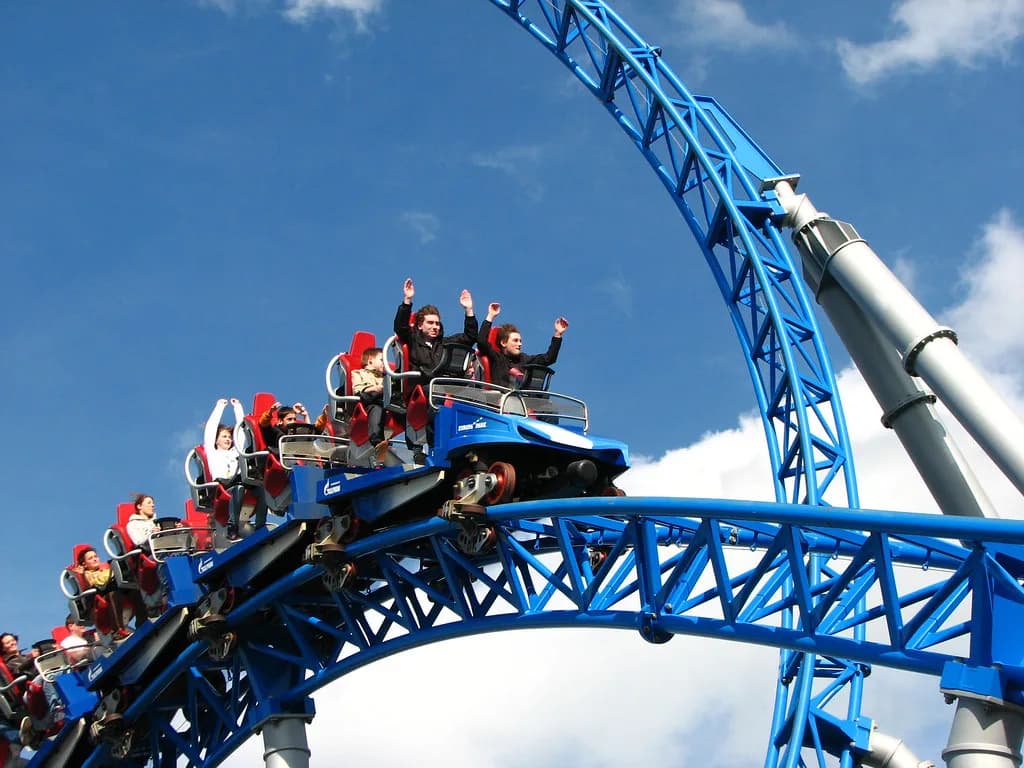
The current ride mix runs to roughly a dozen rollercoasters, a similar number of water rides and dark rides, a large block of flat rides and kids' rides, plus play areas, shows, simulators and transport rides. Those counts tell you the park is not a coaster-only day out, and that a family with mixed ages can split up and still find something in every cluster.
Walking order around the park: where the loop starts
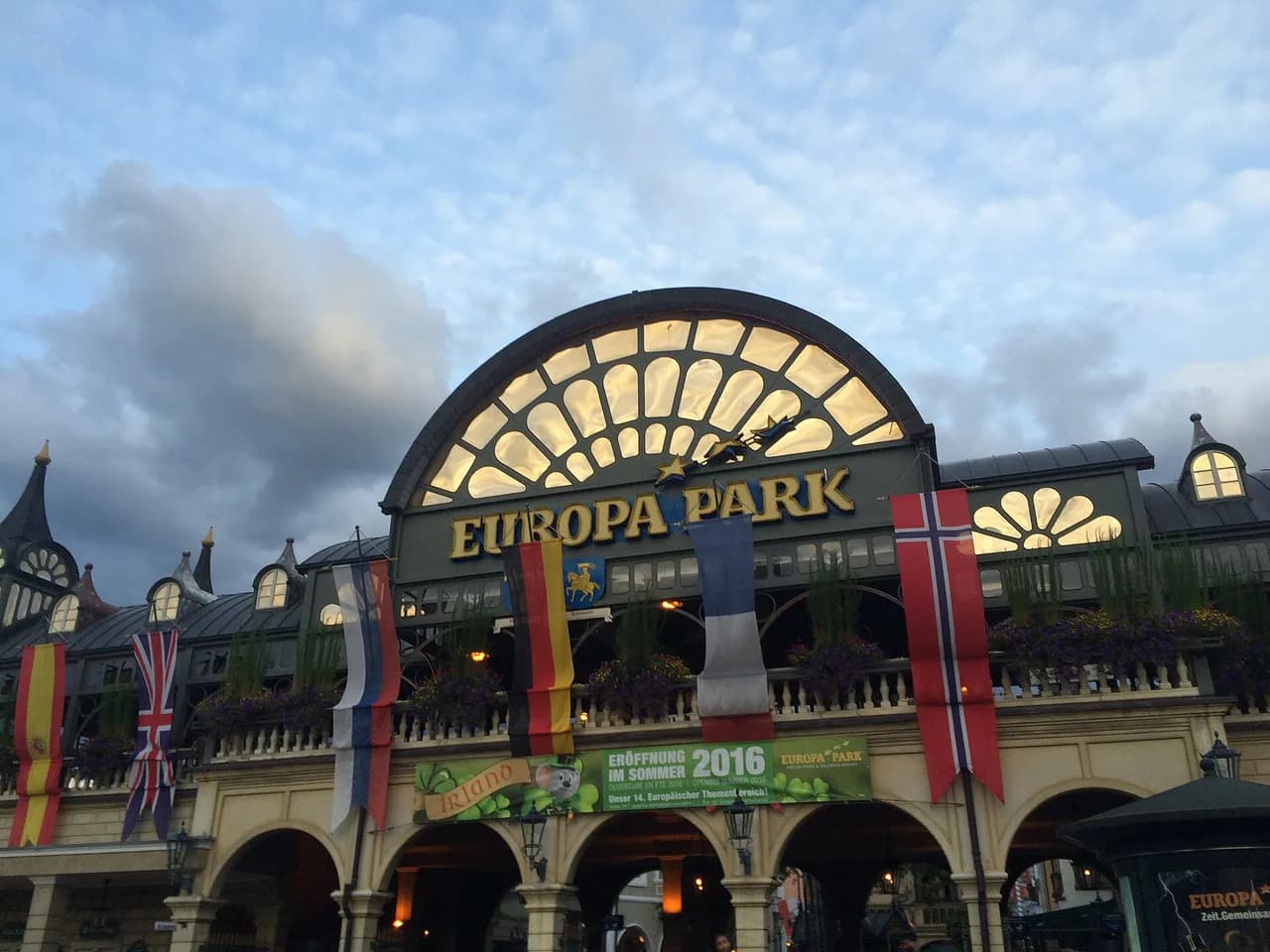
Most visitors enter at the main gate near the hotel complex and the main street of shops and food, which funnels you into the loop. Turning towards Austria and Switzerland first puts you at the big rides early, while turning the other way leads through the gentler areas before the crowds build at the coasters. Neither direction is wrong, but the first hour is the best chance to ride a headline coaster before queues settle into their pattern.
Walking the full circuit at a relaxed pace, with stops, fills a day comfortably, and the park is compact enough that a second lap in the afternoon is realistic. Keep the map on your phone or pick up a paper copy at the entrance so you can see which area you are in when the theming shifts. The park is not vast in the way of the largest American resorts, so the effort goes into deciding what to repeat, not into covering distance.
Austria, Switzerland and Scandinavia: the cluster of big rides
This corner of the loop carries a heavy concentration of thrill hardware, led by the multi-launch coaster Voltron Nevera in the Croatia area. If you are chasing adrenaline, start here rather than drifting through the gentler areas first. Ride types are mixed, so a group with one non-rider can split up and regroup at the area's food stands.
Voltron Nevera, the multi-launch coaster added in 2024, sits in the Croatia area and has become one of the park's most requested rides. Plan it early in the day or late in the evening, when the surrounding family areas are at their quietest.
Germany and Italy: the middle of the park and family attractions
Germany and Italy sit towards the middle of the loop, which makes them useful as a midpoint for lunch and a rest between the coaster clusters. Both areas combine family rides with sit-down restaurants, so a group can eat properly without walking back to the entrance. The Italian area's architecture also makes it one of the better spots for a break out of the sun.
Germany's dark ride and the surrounding family attractions suit children who are past the toddler stage but not yet ready for the big coasters. If your group spans ages, this is a sensible place to split for an hour and reconvene.
France, Holland and Ireland: coasters and sit-down food
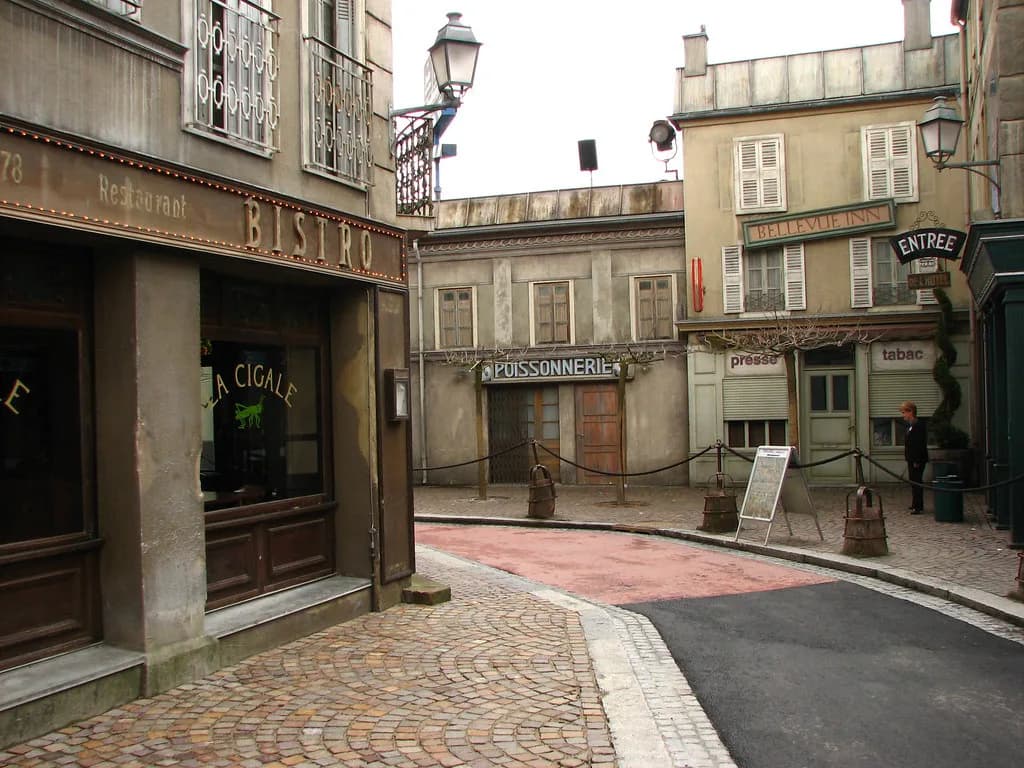
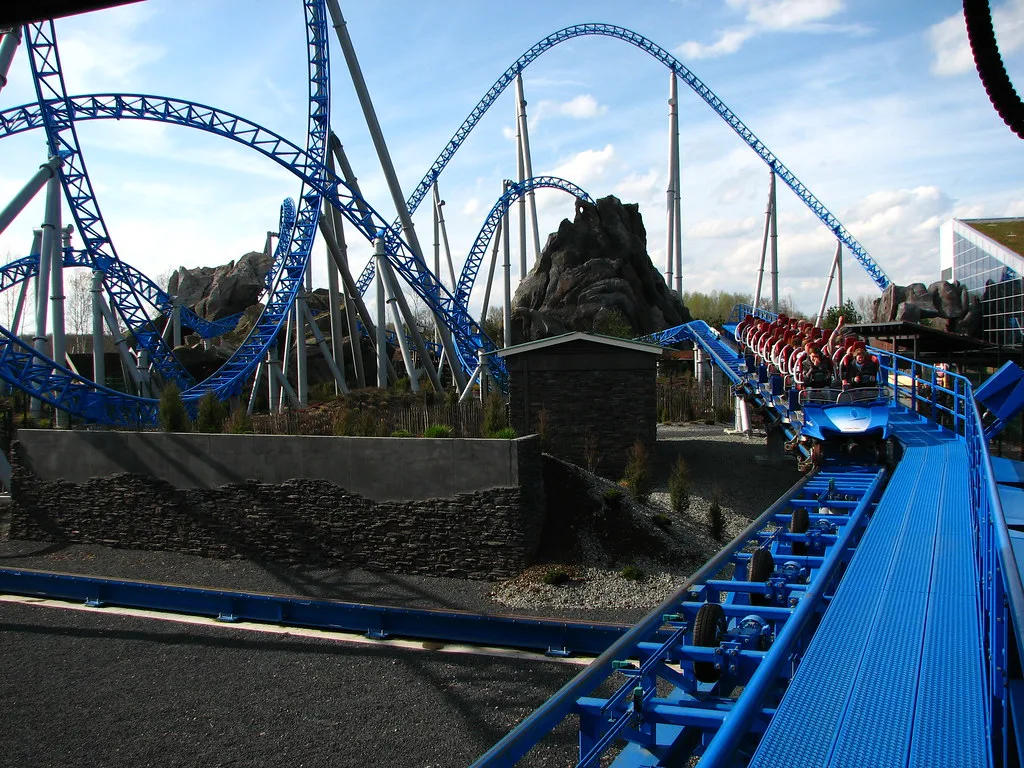
France holds the can-can themed coaster, an indoor ride modelled on the Moulin Rouge, which makes it a workable option in poor weather as well as a strong family coaster. The area also fits naturally into a clockwise walk, so treat it as a marker for the second half of the circuit. Ireland, nearby, has a food and drink identity of its own, with a pub-style stop that appeals to adults in the group.
Holland's Batavia-themed water ride is the area's anchor, and its dark, indoor section gives another option when rain sets in. Riders on the water rides should expect to get wet and plan the rest of the lap accordingly.
Adventure Land, Grimms Enchanted Forest and the Minimoys Kingdom: the child-first areas
These areas are built around younger children and storybook theming rather than horsepower, and they reward a slower pace. The enchanted forest in particular works best when children lead and adults follow, rather than as a route to tick off. If you have under-fives, save these areas for the afternoon when the bigger rides are at capacity and energy is lower.
The Minimoys Kingdom is the most distinctive of the child-first zones, with indoor and outdoor play built into the theme. It suits a rainy hour as well as a rest stop, and it lets one adult take older children to a coaster while the other stays with smaller ones.
Greece, Portugal, Spain and Russia: the quieter eastern side
The eastern arc of the loop tends to feel calmer than the big-ride corner, which makes it a good choice for the middle of the afternoon when the coasters are busiest. The areas are smaller and more architectural, so they reward a wander rather than a plan. Use them to bridge the gap between lunch and an evening lap of the headline rides.
Spain and Portugal carry a handful of family attractions and quieter paths, and Russia's themed buildings are worth a look even if you ride nothing. If you are visiting with someone who does not enjoy coasters, this side gives them a pleasant half-day while the rest of the group queues.
Rulantica and the hotels: what sits outside the park map
Rulantica, the separate water world, is a year-round attraction and does not appear on the Europa-Park gate map because it is a short walk or shuttle away. It has its own ticketing and its own opening hours, so a short break can pair a park day with a water day rather than cramming both.
The resort's on-site hotels, including Hotel Colosseo, Bell Rock, El Andaluz, Castillo Alcazar, Santa Isabel and Krønasår, sit around the park entrance and form a village of their own. Staying on site keeps you within walking distance of the gate, which matters most at opening and closing time.
Silver Lake City, the western-themed expansion with its own lodging, camping and caravanning, extends the resort beyond the park gate. If you are building a multi-day trip, treat the resort as a whole rather than just the park, and plan at least one evening away from the coasters.
A sample one-day route for families with younger children
Start by turning towards the child-first areas rather than the coasters, so younger children get their rides in while queues are short and attention is fresh. Work through the Minimoys Kingdom and the enchanted forest in the morning, then move towards Germany and Italy for lunch and gentler family attractions. After lunch, use the eastern arc for a quiet walk and a rest, and return to the child-first areas for a final hour before the park closes.
One adult can peel off for a bigger coaster while the other supervises play areas, regrouping at an agreed landmark. Fix the meeting point before you split, because phone signal in a crowded park is not something to rely on. Keep the day to one loop rather than two so nobody is carried back to the hotel.
A sample one-day route for thrill-seekers
Head straight for the Austria, Switzerland and Scandinavia cluster on opening and ride the biggest coaster first, then move to Voltron Nevera in Croatia before the queue reaches its peak. Work around the loop through France and Holland, picking up the coasters and water rides as you go, and use Germany and Italy for a proper lunch. The eastern side is the natural afternoon lull, so use it to rest before a second pass at the headline rides in the evening.
Check the park's official calendar before you fix your date, because opening hours vary through the season and shorter days compress a full loop into a tighter window. Ride closures for maintenance or weather follow the park's own announcements rather than the printed map, so the gate and app are the places to look on the day.
Tickets and getting there before you plan the route
Buy dated tickets before you travel, because the park sells a range of ticket types and the ticket desk is not the place to compare them with a family in tow. Prices vary by date and ticket type, so the official price pages rather than a third-party reseller are the place to see the current figure.
For arrival, the park publishes driving, rail and air options on its own site, and the nearest airports are served by onward road and rail connections. The park's address in Rust places it within reach of Basel and Strasbourg as well as Stuttgart and Frankfurt, so the airport choice shapes the day before you arrive.
The resort also sells gift cards through its own shop, which is a practical way to handle a family day without carrying cash for everyone. Look at the official shop if you want to give a visit as a present.
Plan Your Visit
Treat the Europa-Park map as a ring rather than a checklist, and decide your direction at the gate before the family splits up. Families with young children should start in the child-first areas, while thrill-seekers should take the coaster cluster first and let the quieter eastern side carry the afternoon. One clean circuit, with a planned lunch, beats a day of crossing the park.
Explore more Europa-Park guides
Frequently Asked Questions
How many themed areas does Europa-Park have?
The park is split into 15 European-themed areas, each dressed as a different country with its own rides, food and architecture. They form a loop rather than a grid, so a full circuit passes through all of them without backtracking.
Where are the biggest rides on the Europa-Park map?
The biggest concentration of thrill rides sits in the Austria, Switzerland and Scandinavia cluster, with the park's headline coasters in that corner of the loop. Voltron Nevera sits in the Croatia area, and France and Holland add further coaster options along the circuit.
Which area of Europa-Park is best for young children?
The child-first zones, including Adventure Land, Grimms Enchanted Forest and the Minimoys Kingdom, are built around storybook theming and gentler rides. They work best in the morning, when queues are shorter and children have more energy.
Is Rulantica on the Europa-Park map?
Rulantica is a separate water world with its own tickets and its own opening hours, so it sits outside the park gate map. It is close enough to combine with a park day on a short break.
How long does it take to walk around Europa-Park?
A full loop at a relaxed pace, with stops for rides and food, fills a day comfortably, and a second lap in the afternoon is realistic. The park is compact, so the challenge is deciding what to repeat rather than covering distance.
Sources
Notes for your next park day
Optional updates to our park guides.
You might also like
Continue reading
More guides you'll find useful