Pairi Daiza Map: Themed Areas and How to Plan Your Route
Use the Pairi Daiza map to plan a day across its themed areas, from the giant panda enclosure to the Japanese gardens, in a walking order that limits backtracking.
On this page
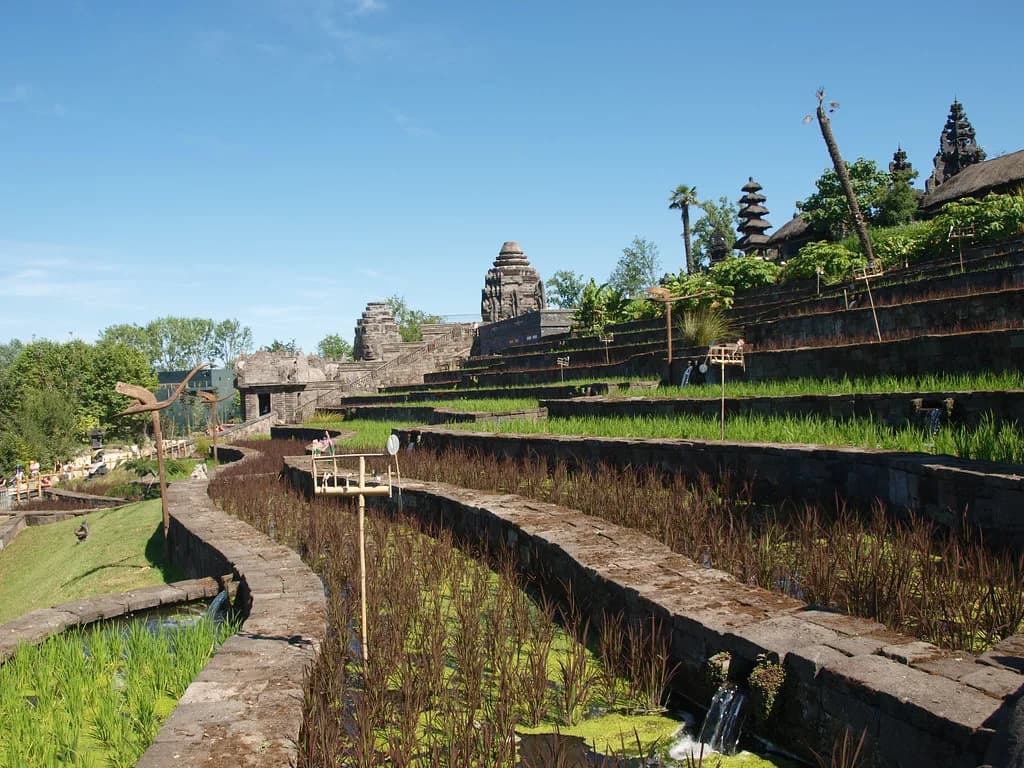
Pairi Daiza combines animal habitats, landscaped gardens and ornate built structures on one large site in Brugelette, which is why a map matters more here than at a compact zoo. The park is organised into themed worlds rather than arranged around one circular path, so the order you walk them in decides how much ground you cover twice.
The pandas draw most first-time visitors straight after the gate, and that instinct is sound if you arrive at opening. After that, the sensible plan is to work through neighbouring worlds in sequence and treat the gardens and the bird show as breathing space between the big animal zones.
What the Pairi Daiza map shows you
The park map works as a routing tool rather than a tick-list. It plots the themed worlds, the animal habitats inside each one, the garden zones and the presentation venues, so you can see at a glance which clusters sit next to each other. Pairi Daiza is a privately owned animal park and botanical garden in Brugelette in Hainaut, covering 65 hectares (160 acres), so the distances between clusters are real walking distances rather than a few minutes between enclosures.
Pick up a paper map at the entrance or load the park's own version before you travel, and mark the two or three things you will not leave without seeing. Marking the giant panda enclosure, the mountain gorilla habitat and the Japanese garden before you walk gives you an anchor for the day and stops the map becoming a source of panic about everything you are missing.
Pairi Daiza's size and why layout matters
At 65 hectares, Pairi Daiza is large enough that a zig-zag route costs you real time and tired legs, especially with children. The themed structures and dense planting also hide what is ahead, so you rarely get a long sightline to judge how far the next area is. The practical answer is to accept that you will not see everything and to build a route that groups zones instead of chasing individual animals across the site.
For an overview of what each world contains and which animals sit where, the Pairi Daiza guide is the natural companion to the map. Read it the evening before so that on the day you are following a plan rather than reading panels at the gate.
How the park is organised: themed worlds, not one loop
Pairi Daiza is laid out as a series of themed worlds, each with its own architecture and planting, rather than as a single circuit you walk once. That design is what makes the park feel like a sequence of places, but it also means there is no natural finish line that brings you back to the gate. Expect to walk some paths in both directions unless you plan your worlds in a deliberate order.
Treat the map as a chain of worlds and connect them in the order they appear from the entrance. If you are coming chiefly for the gardens and the animals, the Cambron Abbey side of the site and its landscaped grounds give you a calmer counterweight to the busy panda zone.
Where the headline animals sit
The giant pandas are the park's signature residents and sit within their own themed setting, which is where most visitors head first. The mountain gorilla habitat is another major stop, and the layout means you can pair the two in a single sweep of that part of the park rather than returning later. Keep the map open here: these habitats sit inside larger worlds, so the entrance to the zone is not always the entrance to the enclosure.
Beyond the pandas, the park holds tigers and elephants among a wide spread of species, and the themed architecture around them is part of the appeal. Allow more time than you think for this block of the park, because the animals do not perform to a timetable and the habitats reward a slow second pass.
The Japanese garden and landscaped zones
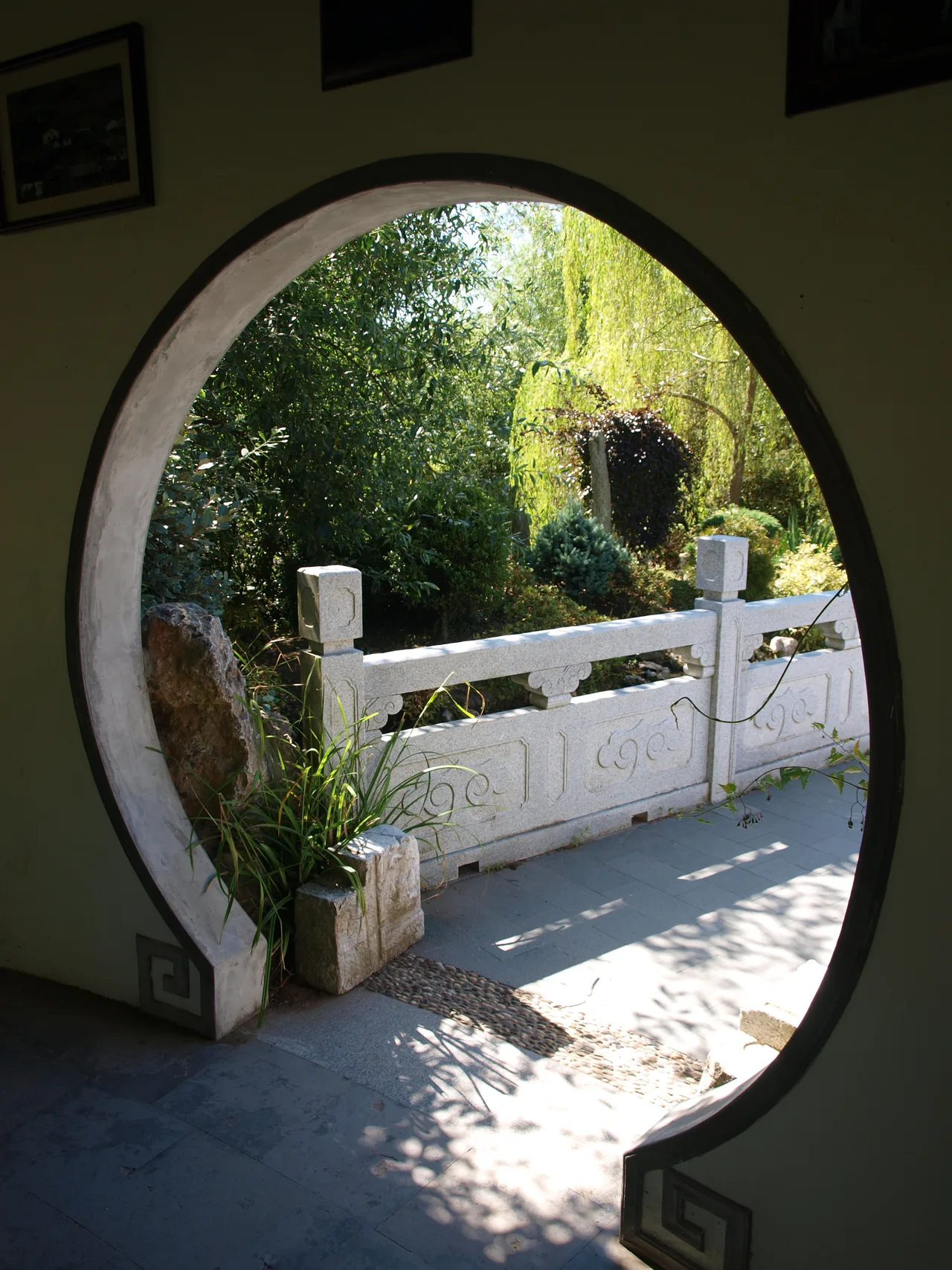
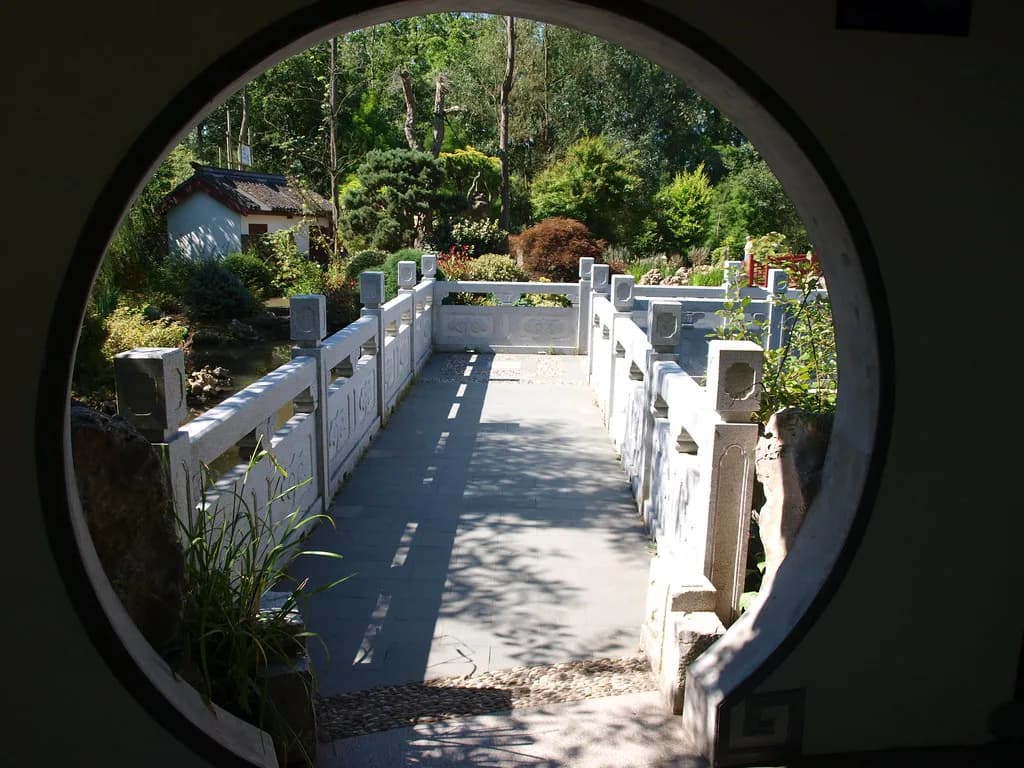
The Japanese garden is one of the park's quietest corners and suits anyone who wants a slower half hour away from the pushchair traffic around the headline animals. The landscaped zones work best in the middle of the day, when the animal houses are busiest and a shaded garden path gives children a chance to reset. Garden-focused visitors can build a route almost entirely from these areas, with the animal worlds as punctuation.
The Kingdom of Ganesha, with its elephant-focused setting and Indian-inspired architecture, sits among the most distinctive landscaped worlds and is worth routing through even if elephants are not your priority. Photographers should plan to pass it in softer light rather than at the peak of midday.
Fitting the bird show into the day
The free-flying bird show is the one fixed point that can genuinely shape a route, because you need to be at the presentation area at the right moment rather than drifting past. Watch it once, early in the day if possible, then build the animal worlds around it rather than interrupting a panda or gorilla visit to cross the park. Check the presentation times on the park's official site or app the day before, since they vary through the season.
Shows also make a good mid-afternoon anchor with children, when walking energy drops and sitting down for twenty minutes restores it. Pair the show with a nearby garden zone so the whole stop costs you one short walk instead of two long ones.
A sample one-day route in walking order
Start with the pandas at opening, when the zone is at its calmest and the animals are most active, then move through the adjacent animal worlds for the late morning. Break for lunch before the middle of the day, take in the bird show, and spend the afternoon on the gardens and the remaining worlds at a slower pace. This order keeps the biggest crowd draws early and leaves the quietest areas for when your legs are tiring.
If you are staying locally and can spread the visit over two days, split the site in half instead: animals and shows on day one, gardens and the abbey side on day two. A two-day rhythm turns a long march into a comfortable wander, and the map becomes a planning tool rather than a survival aid.
Rides, play areas and young-child stops
Pairi Daiza is an animal park and botanical garden rather than a thrill-ride park, so the map's child appeal lies in play areas, animal encounters and the themed buildings rather than in coaster line-ups. Plan young children's days around short hops between worlds, with a play stop after every two animal zones, and accept a shorter overall circuit than the full map suggests.
If your group wants a conventional ride day as well, it helps to know that Belgium's ride parks are a different proposition entirely; the Walibi Belgium map and areas guide shows how a ride-led day is laid out for comparison.
Food outlets, picnic spots and the midday pause
Food options are spread across the worlds rather than concentrated at one central square, which means the outlet nearest to you at lunchtime is rarely the one you planned to visit. Check the map for the outlets closest to your afternoon zone before you sit down, so lunch does not pull you backwards across the park. The Pairi Daiza food guide covers what is available and where the main stops sit.
For families carrying a picnic, the landscaped garden zones make far more pleasant stopping points than the busy paths around the pandas, and eating slightly earlier or later than the peak avoids the worst of the queueing at counters.
Entrances, tickets and the map on arrival
Buying online before you travel saves queueing at the entrance, and the park's website also carries package offers worth comparing with a straight day ticket. Use the official site for current admission prices and dated availability rather than relying on older figures, and read the Pairi Daiza tickets page for how the ticket types compare.
The gate is where you collect the paper map, and it is worth taking one even if you have the app, because the printed version shows the full site at a glance without pinching and scrolling. Mark your three priorities on it before you walk through.

Getting to Brugelette and the final approach
Pairi Daiza sits at Brugelette in Hainaut, and the final approach by road or rail brings you to the entrance side of the site rather than the middle of it. Arriving for opening gives you the panda zone before the main wave and leaves the map's most crowded area behind you early. For train routes, station transfers and driving directions, work through the how to get to Pairi Daiza guide before booking.
If you are turning the visit into a short break, the on-site Pairi Daiza Resort and nearby hotels let you arrive without a dawn start; the Pairi Daiza hotels guide compares the options and what each stay includes.
Accessibility and pushchairs on the map
The park's size means pushchair planning matters: group the worlds so you cross the site once in each direction rather than repeatedly, and use the garden zones as calm rest stops between the busier animal areas. The park publishes its accessibility arrangements for visitors with reduced mobility, and the entrance map marks the main routes through the worlds.
Allow more time than the map's scale suggests, since themed paths wind through planting and the distance between two neighbouring worlds is longer on foot than it looks on paper. A relaxed pace with regular stops beats a tight schedule across a 65-hectare site.
Planning around shows and seasonal opening
Opening hours shift through the season, so set your route from the park's official calendar rather than from any fixed assumption about when the gates open. The Pairi Daiza opening times page explains how the calendar works across the year and what the seasons mean for a visit.
Weather also reshapes the route: garden zones and exposed paths are less appealing in steady rain, while the animal houses and presentation venues give you cover. The Pairi Daiza weather guide sets out a wet-day plan that keeps the map workable.
School holidays and weekends fill the panda zone fastest, so if your dates are flexible, aim for a quieter weekday and still arrive at opening. The Domaine de Cambron setting rewards an early start with softer light and quieter paths.
Plan Your Visit
The Pairi Daiza map rewards a little planning: pandas first, animal worlds through the late morning, the bird show and gardens in the afternoon, and no backtracking to chase animals you have already passed. Build the day around the worlds nearest each other and the site's size stops working against you.
Before you travel, set your route from the park's official site for live hours and the current map, then use the Pairi Daiza guide to decide which worlds earn your limited time.
Explore more Pairi Daiza guides
Frequently Asked Questions
How big is Pairi Daiza and how long does it take to walk the whole park?
Pairi Daiza covers 65 hectares (160 acres), and the themed worlds wind through planting rather than following one straight circuit. Most visitors cannot see everything comfortably in a single day, so plan a route that groups neighbouring worlds and accept that some areas will wait for a return visit.
Can you do Pairi Daiza in one day?
Yes, if you prioritise. Start with the giant pandas at opening, work through the adjacent animal worlds, and use the afternoon for the bird show and the garden zones. A one-day visit works best as a planned route rather than an attempt to cover the whole map.
What are the themed areas at Pairi Daiza?
The park is divided into themed worlds, each with its own architecture and planting, rather than a single loop. The Middle Kingdom setting holds the giant pandas, the Kingdom of Ganesha focuses on elephants, and the Japanese garden and landscaped grounds give a quieter counterweight to the busiest animal zones.
Where are the pandas on the Pairi Daiza map?
The giant pandas sit within their own themed setting and are the park's signature residents, which is why many visitors head there immediately after the gate. Walk that zone first thing, then continue into the neighbouring animal worlds rather than returning later.
Is there a park map you can download before visiting?
Pairi Daiza publishes its own park map through its official website and app, and you can also pick up a printed map at the entrance. Take the paper version even if you use the app, because it shows the full site comfortably at a glance.
Sources
Notes for your next park day
Optional updates to our park guides.
You might also like


Continue reading
More guides you'll find useful