Best Time to Visit Pairi Daiza: Season, Crowds and Events
Plan your Pairi Daiza visit around the season that suits you: spring blossoms and newborn animals, Halloween, Christmas Time, or quieter autumn weekdays.
On this page
Pairi Daiza spreads more than 7,000 animals across themed worlds in Brugelette, in Hainaut, and the season you choose changes what you see as much as how busy the paths feel. Spring brings blossoms and newborn animals, autumn brings Halloween, and winter turns the park over to Christmas lights and market stalls. Picking the right window matters more here than at a compact zoo, because the park is large and the distances between worlds are longer than most first-timers expect; the same timing question shapes a visit to Walibi Belgium.
This guide works through the year season by season, then narrows to the practical decisions: which days to avoid, whether one day is enough, how event pricing works and where to sleep. Families with young children, animal-focused couples and event-seekers end up with different best months, so the verdict at the end sorts the priorities rather than naming one universal date.
What the Pairi Daiza year looks like
Pairi Daiza runs its year around four seasonal moods rather than a single fixed programme. Spring belongs to the Spring Festival, with blossoms and newborn animals; autumn culminates in Halloween at Pairi Daiza, with pumpkins, decorations, costumed performers and evening shows; and winter brings Christmas Time at Pairi Daiza, with lights, fires, market stalls and a few winter-only animals. Summer sits between the events as the long-day season, when the themed worlds are fully open and the park is at its busiest with families.
Live opening hours, season start and end dates and event date ranges come from the park itself, and they shift from year to year, so confirm current dates with the park before booking. The Pairi Daiza guide covers the worlds and headline animals in more detail once you have settled on a month.
Spring: blossoms, newborn animals and why this season suits families
Spring is when Pairi Daiza feels most like a garden as well as a zoo. The Spring Festival puts the focus on blossoms and newborn animals, which makes it the strongest season for families with small children who want to see young animals rather than headline predators. The themed worlds also photograph beautifully in spring light, and the park's layout of wide paths and plenty of resting spots works well with pushchairs and wagons.
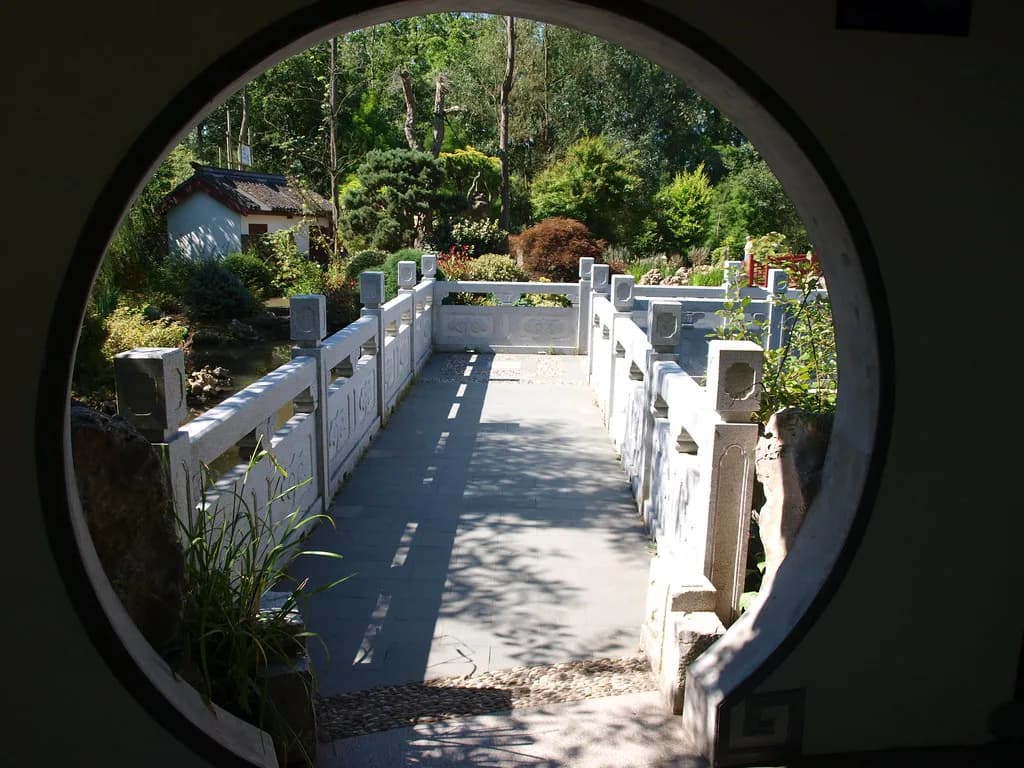
Spring weekdays outside Belgian school holidays give you the gentlest version of the park: shorter queues at the aquarium and the Chinese gardens, and more room at the playground in the middle of the park. If your priority is watching animals at a relaxed pace rather than catching shows, aim for a dry spring weekday and plan to walk the outer worlds early.
Summer: long days, full worlds and how to pace a hot visit
Summer gives you the longest days of the year and the fullest programme, with every themed world, restaurant and show running. It is also high season, when the park buzzes with families; the crowds spread out because the site is big, but some areas are noticeably busier than others. Arrive at opening and head straight for the most popular animal worlds, then use the middle of the day for shaded indoor spaces and a proper sit-down meal.
Heat is the main practical constraint. Cambron-by-the-Sea, the aquarium of sharks, sea turtles and tropical fish, is the obvious refuge on a hot afternoon, and the greenhouse near Cambron Abbey does the same job on a wet one. Build your day around two or three indoor pauses rather than trying to march through every world in one push, especially with young children.
Autumn: quieter weekdays versus the Halloween event weekend
Autumn is the season that best rewards careful date-picking. A weekday during the autumn break, before the Halloween programme begins, can be calm and peaceful, and it is easy to see only half the park in a day at that pace. Once Halloween at Pairi Daiza opens, the same park fills with decorations, costumed actors and evening entertainment, and the atmosphere is unmistakably better even though it is busier.
Halloween at Pairi Daiza: extra shows, longer hours and the crowds trade-off
The Halloween event is a genuinely different day out rather than a decoration overlay. Pumpkins and spiderwebs fill the paths, costumed performers roam between the themed worlds, children arriving in costume often receive sweets at the entrance, and the evening brings dance shows, live music and a horse-and-bird show near the main entrance. Opening hours extend into the evening, so you get more hours of park for the day.
The trade-off is price and pressure. Entrance costs more during the Halloween period than on a standard day, in exchange for the longer day and the extra shows, and event weekends draw the biggest crowds of the autumn. If you want Halloween, buy dated tickets early and accept that you will cover less ground; if you want to see the animals thoroughly, come on a plain autumn weekday instead.
Christmas Time and winter lights: what changes on a winter visit
Christmas Time at Pairi Daiza turns the park into an evening destination: thousands of lights, fires burning along the paths, Christmas market stalls and a handful of animals you only see in winter. Days are short, so plan to arrive early enough to walk the outdoor worlds in daylight and save the lit areas for after dusk. Cold-weather visits lean heavily on the indoor stops, with Cambron-by-the-Sea and the tropical greenhouse doing most of the warming work.
How school holidays and weekends change the feel of the park
Belgian school holidays drive the pattern more than any other factor. Event weekends and holiday Saturdays are the busiest days, while weekdays in term time are when the park feels calm and you can move between worlds quickly. If your dates are fixed by a holiday, book dated tickets in advance and accept a two-day visit if you want to see everything without rushing.
Weekends outside holiday periods sit in the middle: busier than a Tuesday in term time, quieter than a Halloween Saturday. Sunday mornings are usually the gentler half of a weekend, and starting in an outer world such as The Land of the Cold or The Last Frontier lets you stay ahead of the flow towards the exit.
One day or two: how season affects how much of the park you fit in
Two days is the realistic answer for most first-time visitors, and the season changes only how strongly that applies. In summer and on event weekends, longer hours and extra shows eat time, and a single day leaves you picking between the Middle Kingdom's pandas, the African savanna and the polar worlds. On a quiet spring or autumn weekday, a disciplined one-day visit can cover the highlights with a plan made in advance.
The giant pandas in The Middle Kingdom and the mountain gorillas in The Land of Origins are the two stops most people plan around, and both sit in the busier middle of the park, so slot them into the first or last hour of the day rather than the lunchtime peak. A weekend with one event day and one plain day gives you the best of both: atmosphere on one, animal-watching space on the other.
Themed worlds and which season suits which area best
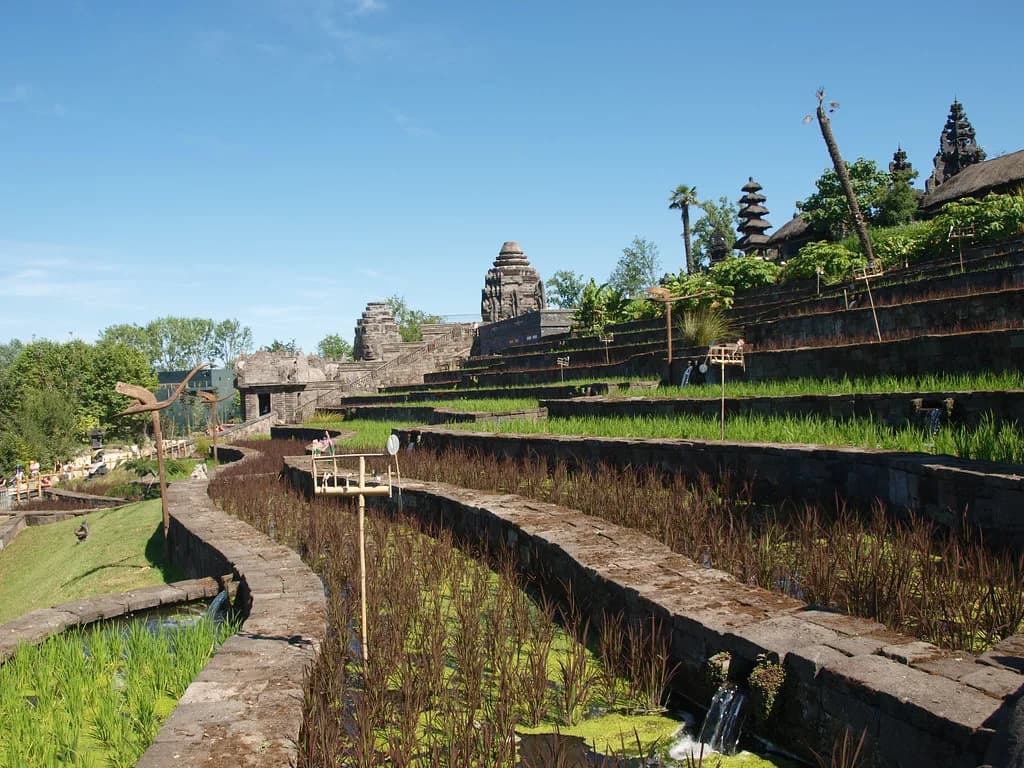
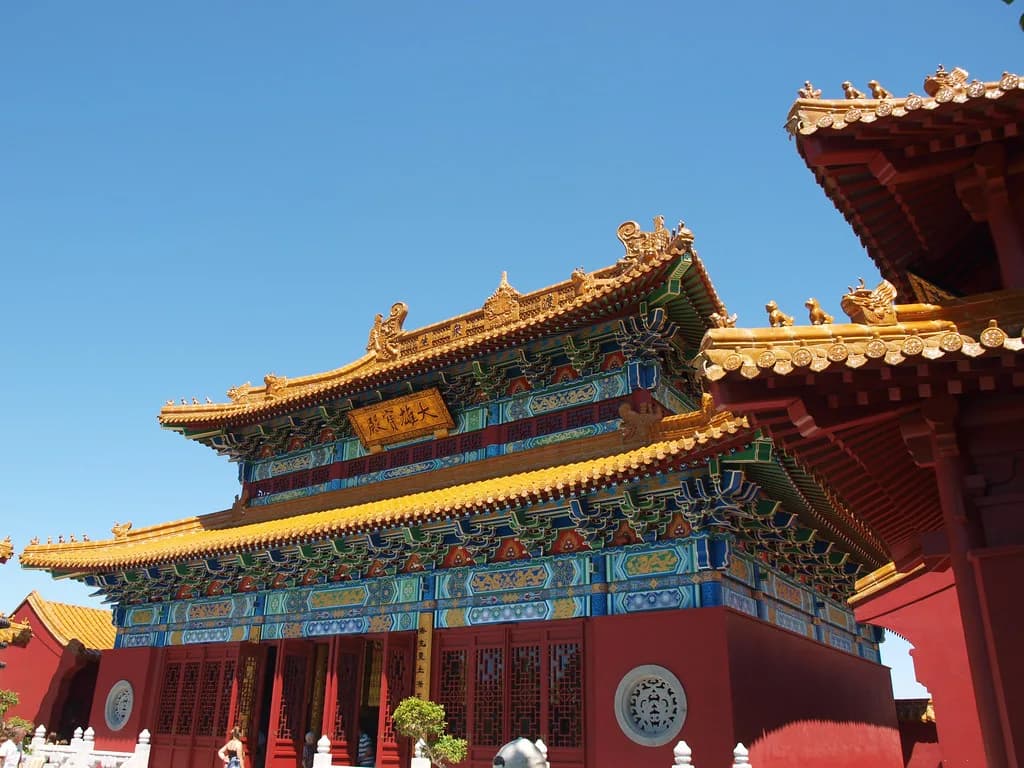
Pairi Daiza is organised as worlds, and each one reads differently across the year. The Middle Kingdom, with its temples, bamboo and red pandas, is at its best in spring; The Kingdom of Ganesha, with white tigers and elephants among tropical stone carvings, suits a warm summer day; The Land of the Cold and The Last Frontier, home to polar bears, wolves, moose and sea lions, gain atmosphere in cold and wintry light. The Dino Zone is an easy win with children at any time of year.
Rain and cold rarely ruin a day here because the indoor and sheltered stops are strong. Cambron-by-the-Sea, the aquarium built like a cave system with sharks, sea turtles and jellyfish, and the tropical greenhouse and aviary around Cambron Abbey give you two substantial dry stretches, and the Japanese Islands of the Rising Sun remain a calm walk in most conditions.
Tickets across the season: dated entry, event pricing and annual passes
Ticket prices at Pairi Daiza vary by day and season, with high-season and event days costing more than low-season dates. Current published rates include roughly 43 euros for an adult and 37 euros for a child aged three to eleven in low season, rising to about 48 and 42 euros in high season and events, with a reduced rate for visitors with disabilities on valid ID and free entry for children under three with proof of age. Parking is charged separately at about 12 euros a day.
An annual pass in the region of 122 euros for adults and 112 euros for children pays for itself if you plan more than two or three visits in a year, which suits local families more than one-off visitors. Booking online is typically cheaper than paying at the gate and saves time at entry, and a dated ticket is the safer choice for event weekends when capacity is most in demand.
Staying inside the park versus hotels nearby, by season
Sleeping inside Pairi Daiza is a seasonal booking problem as much as a splurge. The animal lodges, including the Tiger House overlooking the Siberian tigers, plus rooms facing wolves, bears or the walruses' tank, sell out fastest during school holidays and event periods. Packages typically bundle park access from arrival to departure day, luggage handling, residents' parking, breakfast and an evening meal at one of the park restaurants, so the value calculation is different from a plain hotel night.
Outside the park, Mons and Ath are the most practical bases, with more restaurants and a short drive to the gates, while La Louvière and even Brussels or Lille work for a combined city-and-park trip at roughly an hour's drive. Nearby hotels cluster around 20 to 30 minutes from the entrance, so an event evening with a late finish is the strongest argument for staying close rather than driving back.
Getting there in any season: car, train and the Cambron-Casteau walk
Driving is the simplest option in every season. Parking sits right beside the entrance with thousands of spaces, paid per day and bookable at the machines on the way out or online in advance, which matters most on event days when arrival times bunch up. Coming from the Netherlands or the UK side, the last stretch runs through quiet Walloon country roads after the motorway near Mons.
By train, Cambron-Casteau station is about 1.2 kilometres from the entrance, roughly a 20-minute walk on a marked route, with no shuttle bus. The park sells discounted NMBS train tickets through its own website, with children under 12 travelling free up to four per paying adult, which makes the train a reasonable family choice outside the coldest winter weeks.
Food and picnics across the year
Food inside the park is themed to each world, with sit-down restaurants offering views of the animals and a limited number of smaller snack stands between them. Bringing your own lunch and drinks is allowed and is the standard move for families who want to save both money and queueing time, and supermarkets on the approach roads make it easy to stock up. In winter, a sit-down meal doubles as a warm break, so book the timing around the darkest, coldest part of the afternoon.
Verdict: the best months for your priorities
For a first visit with young children and a focus on animals, a dry spring weekday during the Spring Festival is the strongest choice: newborn animals, blossom, manageable crowds and the indoor worlds as backup. For atmosphere and evening entertainment, a Halloween Saturday delivers shows, lights and longer hours at a higher ticket price, and Christmas Time suits anyone who wants the park after dark rather than a full day of walking.
For returning visitors and anyone who wants to cover the whole park without rushing, a plain autumn weekday paired with an overnight stay gives the calmest version of Pairi Daiza. Avoid event weekends if your priority is the animals; choose them if your priority is the show.
Plan Your Visit
Decide first what the day is for: animals, atmosphere or a relaxed family wander. That answer picks your season, and the season then dictates your ticket type, whether you need two days and whether to sleep on site or in Mons or Ath. Dated tickets bought online are the safe default for event periods, while a flexible weekday in term time is the easiest day to keep cheap.
Once your dates are fixed, confirm live opening hours and event dates on the official Pairi Daiza calendar before booking transport, and reserve any animal lodge as early as your plans allow.
Explore more Pairi Daiza guides
Frequently Asked Questions
What is the best time of year to visit Pairi Daiza?
Spring is the best all-round season for families, with the Spring Festival's blossoms and newborn animals, comfortable walking weather and lighter weekday crowds. Autumn weekdays outside the Halloween programme are the calmest for covering the whole park, while Halloween and Christmas Time suit anyone who wants shows, lights and evening hours rather than pure animal-watching.
Can you do Pairi Daiza in one day?
You can cover the highlights in one day on a quiet spring or autumn weekday if you plan a route in advance and start at opening. In summer and on event weekends, the park's size and the extra shows make two days the realistic choice for seeing most of the themed worlds without rushing.
Is Pairi Daiza busier during Halloween and Christmas events?
Yes. Event weekends and Belgian school holidays draw the largest crowds, and Halloween in particular fills the park with decorations, costumed performers and evening shows that keep people on site later. Event days also carry higher ticket prices, so you are trading money and company for longer hours and extra entertainment.
When can you see newborn animals at Pairi Daiza?
The Spring Festival is the period the park frames around blossoms and newborn animals, so spring is when to plan a visit if young animals are the priority. Exact dates shift each year, and the official Pairi Daiza calendar is where the current season and event dates are published.
How long does a Pairi Daiza visit take?
Most visitors need two days to see the themed worlds, shows and playgrounds at a comfortable pace, and the park's internal distances are longer than first-timers expect. A single day works if you pick two or three priority worlds, such as the Middle Kingdom and the Land of the Cold, and accept that you will skip the rest.
Sources
Notes for your next park day
Optional updates to our park guides.
You might also like

Continue reading
More guides you'll find useful