Theme Parks in Sweden: Where to Go and Who Each Suits
Compare Sweden's main theme parks by location, character and rides, from Liseberg in Gothenburg to Gröna Lund in Stockholm and Kolmården on the east coast.
On this page
Sweden's theme park scene is compact and city-focused, which makes it unusually easy to plan around public transport. Liseberg sits inside Gothenburg, Gröna Lund occupies a waterfront site in Stockholm, and Kolmården combines rides with a large wildlife park on the east coast. That geography means a short break can combine a city stay with a full park day, rather than requiring a dedicated resort trip.
The parks differ sharply in character. Liseberg is the big, year-round city park with the widest ride mix; Gröna Lund is smaller and more atmospheric, squeezed onto its waterfront plot; Kolmården appeals to families who want animals alongside attractions. If you want to weigh a Swedish city park against a purpose-built resort, the Disneyland Paris guide shows how a multi-park destination is structured. Matching the park to your group matters more here than chasing a single headline coaster.
What Sweden's theme park scene offers visitors
Sweden's parks are strong on mixed-age groups because most combine gentle family attractions with a handful of serious thrill rides. They are also well served by city transport: Liseberg and Gröna Lund are both reachable on local trams or buses from their city centres. That makes them practical for visitors basing themselves in Gothenburg or Stockholm rather than booking a resort hotel.
For a wider view of how Scandinavia and the rest of the continent compare, the best theme parks in Europe guide groups the major parks by country and scale. Use it to judge whether a Swedish city break or a larger resort trip fits your group. Within Sweden, the practical question is usually which city you are already visiting.
Liseberg, Gothenburg: the big city park
Liseberg is the anchor of Swedish park visiting and the one most travellers build a trip around. It sits within Gothenburg itself, so you can stay in the city centre and reach the gates by tram rather than driving. The park blends traditional gardens with a broad ride lineup, which is why it works for multi-generation groups.
For ride planning, treat Liseberg as a full day: it has enough attractions across family and thrill categories that a half-day visit forces hard choices. Check the official Liseberg calendar before picking dates, because the park's opening pattern varies through the year and some rides operate seasonally. Booking dated tickets online is the norm for Swedish parks and usually the simplest way to secure a specific day.
Gröna Lund, Stockholm: a compact park on the water
Gröna Lund occupies a tight waterfront site in Stockholm, which shapes the whole visit. The compact layout means short walks between rides but also tighter capacity on busy days, so arriving at opening is more valuable here than at a sprawling resort park. Its location makes it easy to combine with other Stockholm sights on the same day.
Because space is limited, Gröna Lund's ride mix leans on compact thrill attractions alongside family favourites rather than long, sprawling dark rides. For visitors comparing city parks, Stockholm's offering is more about atmosphere and location than scale. If you want the larger ride count, Gothenburg is the better base.
Kolmården and its wildlife park setting
Kolmården is the east-coast option and the one that differs most from the city parks. It pairs a wildlife park with rides, so families can split the day between animals and attractions. That combination suits groups where not everyone wants coasters, particularly grandparents and younger children.
Its location outside the main cities means it rewards a planned day trip rather than a spontaneous stop. Check the official Kolmården calendar for opening days, since a wildlife-based park's season can differ from an urban park's. Plan transport in advance if you are coming from Stockholm or Norrköping.
How the parks differ for families with young children
Young children do best at parks with a dedicated gentle-ride area and short distances between attractions. Liseberg and Gröna Lund both have family zones, but Gröna Lund's compact site reduces walking, which matters with tired toddlers. Kolmården's animal exhibits give younger children a break from queueing.
Height rules determine which rides a child can actually board, and Swedish parks publish height charts on their official sites rather than at the gate only. Check the chart for your child's height before booking, because a single restriction can rule out the ride a family came for. Rider swap schemes let parents take turns on height-restricted rides; ask at guest services on arrival.
Which parks suit teens and thrill-seekers
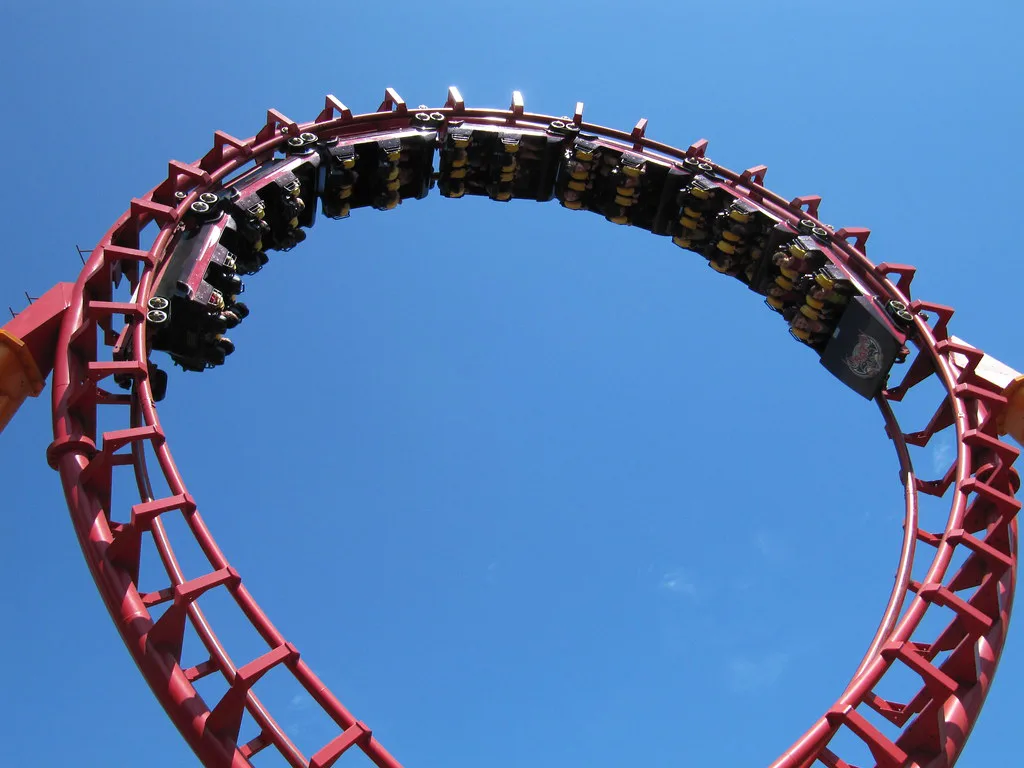
Teens and thrill-seekers should prioritise Liseberg, which has the broadest collection of high-thrill rides among the Swedish parks. Gröna Lund's compact site limits how many large coasters it can hold, though its location makes it a strong half-day add-on. Kolmården is the weakest fit for a pure coaster day.
When comparing across Europe, the best theme parks guide ranks parks by thrill offering. If your group wants a coaster-focused trip, pairing a Swedish city break with a larger European resort is a common approach. Within Sweden, Liseberg is the clear first choice for adrenaline.
Indoor and water park options for wet or cold days
Sweden's weather makes indoor and water-based alternatives worth knowing. Indoor water parks and swimming complexes operate in several Swedish cities and give families a wet-weather option when outdoor rides are closed. Check opening hours and age rules directly with each venue, since these are municipal or private facilities rather than theme parks.
For a broader view of how European parks handle cold-season openings, the Christmas at theme parks guide explains which parks stay open into winter and what changes. Swedish city parks increasingly run seasonal events, so a winter city break is not automatically a park-free one.
Season timing and using official park calendars
Swedish parks do not run a single national season, so treat each park's official calendar as the authority. Liseberg operates across much of the year, while Gröna Lund and Kolmården follow more seasonal patterns tied to weather and daylight. Confirm the exact days on the park's own site before booking travel.
School holidays and summer weekends are the busiest periods, while late spring and early autumn weekdays are usually quieter. For a city break, midweek visits reduce queue pressure and make it easier to combine a park day with sightseeing. Check the official calendar page for the park you choose once you have fixed your dates.
Getting between the parks by train and city transport
Sweden's rail network makes a two-city park trip straightforward. Gothenburg and Stockholm are connected by regular high-speed trains, so you can visit Liseberg and Gröna Lund on one itinerary without flying. Book rail tickets in advance for the best availability on popular services.
Within each city, trams and buses serve the parks: Liseberg sits on Gothenburg's tram network and Gröna Lund is reachable from central Stockholm by tram or bus. Kolmården needs a separate plan, typically a train to Norrköping followed by local transport. Allow extra time on match days and summer weekends.
Where to stay for a multi-park trip
For a two-city trip, base yourself centrally in each city rather than at a park-adjacent hotel. Central Gothenburg puts you on the tram to Liseberg, and central Stockholm keeps Gröna Lund and the rest of the city within easy reach. City hotels also give you more evening dining options than park resorts.
If you are building a wider European trip, compare pass options such as the Merlin annual pass against Swedish park tickets. Merlin's passes cover a large group of European attractions, which can change the maths for a multi-park year. For most Sweden-only trips, buying each park's own dated ticket is simpler.
Passes and multi-day value across Swedish parks
Swedish parks generally sell single-day dated tickets and their own season passes, rather than a shared national pass. A park's own season pass usually pays off only if you plan several visits within one season. Multi-day tickets, where offered, work for travellers staying in one city for a long weekend.
International visitors rarely benefit from Swedish season passes, so buy dated day tickets for each park instead. If your trip extends into the UK or mainland Europe, check whether a Merlin Gold Pass or Merlin Essential Pass covers any parks on your route before buying separate tickets.
Choosing the right park for your trip
Choose Liseberg if you want the fullest Swedish park day, especially with teens or a mixed-age group. Choose Gröna Lund if you are already in Stockholm and want a compact, atmospheric park that fits around sightseeing. Choose Kolmården if animals matter as much as rides, or if you have younger children who tire of queues.
Whichever you pick, anchor your dates to the park's official calendar and book dated tickets before you travel. A two-city rail itinerary covering Gothenburg and Stockholm captures the two strongest city parks in one trip. Kolmården works best as an added day rather than the centrepiece.
Plan Your Sweden Park Trip
Sweden's parks reward a city-based plan rather than a resort stay. Build your trip around Gothenburg for Liseberg, add Stockholm for Gröna Lund, and treat Kolmården as an optional east-coast day. That structure keeps travel simple and lets you use trains between the two main cities.
Check each park's official calendar and height chart before you book, then buy dated tickets for your chosen days. If you are combining Sweden with other European parks, the best theme parks in Europe guide helps you slot them into a wider itinerary. For UK comparisons, the best theme parks in UK guide shows how British parks differ in scale and ticket structure.
Explore more Europe guides
Frequently Asked Questions
Is Liseberg the biggest amusement park in Scandinavia?
Liseberg is one of the largest and most established parks in Scandinavia, and it is the biggest in Sweden by ride count and year-round operation. Comparisons with other Scandinavian parks depend on how you count ride numbers and seasonal opening, so check each park's official ride list if scale matters to you.
Which Swedish theme park is best for young children?
Kolmården suits young children because the wildlife exhibits break up the day, and Liseberg and Gröna Lund both have family ride areas. Check each park's height chart on its official site, since a single height restriction can rule out the rides your child most wants.
What is the best time of year to visit theme parks in Sweden?
Late spring through summer is the core season for outdoor rides, and early autumn weekdays are usually quieter than school holidays. Liseberg operates across a longer stretch of the year than the more seasonal parks, so check the official calendar for your chosen dates.
Are there indoor theme parks in Sweden?
Sweden's major parks are outdoor attractions, though indoor water parks and swimming complexes in several cities give families a wet-weather option. Check opening hours and age rules directly with each venue, since these are not theme parks and follow their own schedules.
How do you get to Liseberg from Gothenburg city centre?
Liseberg sits within Gothenburg and is served by the city's tram network, so a short tram ride from the centre reaches the park. Allow extra time on busy summer days and check the park's official transport page for current routes.
Which Swedish theme park suits thrill-seekers?
Liseberg has the broadest collection of high-thrill rides among the Swedish parks. Gröna Lund's compact waterfront site limits how many large coasters it can hold, and Kolmården is better for families mixing animals with attractions.
Sources
Notes for your next park day
Optional updates to our park guides.
You might also like
Continue reading
More guides you'll find useful