Theme Park Tips for Europe: Tickets and Ride Order
Practical theme park tips for Europe: pick the right park, book dated tickets, plan ride order, use queue-jump passes and choose on-site hotels and quieter days.
On this page
A great day at a European theme park comes down to four decisions you make before you arrive: which park, which day, which ticket and which hotel. Get those right and the in-park choices, from ride order to lunch timing, become far simpler. These tips work through each decision in turn, with the detail that actually changes how a day runs.
Why park choice comes before any other tip
The single biggest determinant of a good day is whether the park you pick matches your group. A group built around thrill coasters will waste a day at a park whose line-up is mostly gentle family rides, and a family with pre-schoolers will spend hours waiting near rides the children cannot board. Start with the ride line-up and the height chart rather than the marketing photography.
Europe's big multi-day destinations reward a two-park or two-day plan: Europa-Park in Germany pairs a large coaster and dark-ride line-up with the Rulantica water park, Efteling in the Netherlands is a full-day fairy-tale park with its own resort, and Liseberg in Sweden mixes classic rides with a city-centre location. Plopsaland De Panne in Belgium and Energylandia in Poland each suit a different age mix, so compare the headline rides at each park before booking anything else. Planning a day at either of the first two? Start with our Efteling guide for ride order and ticket detail.
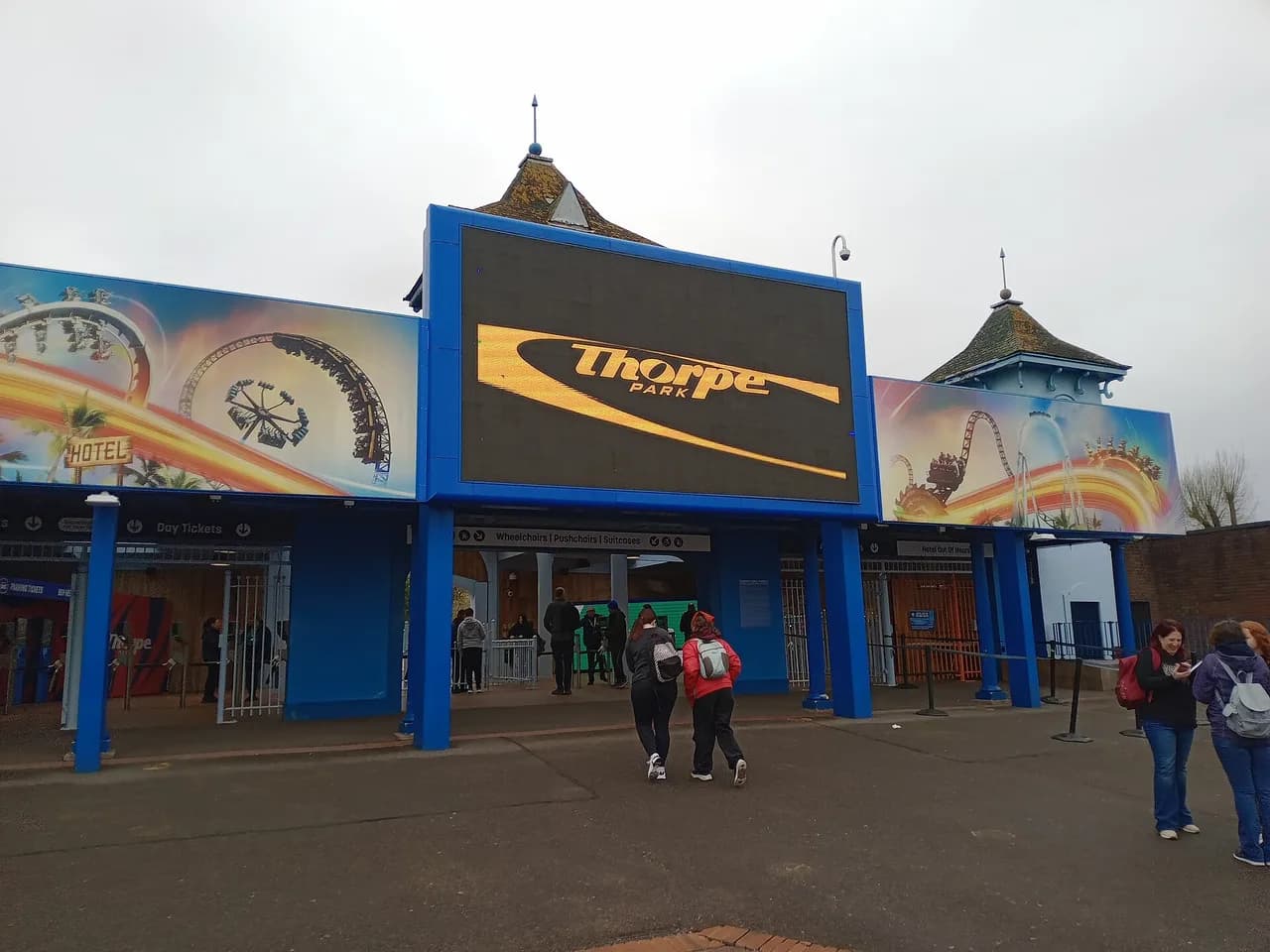
If you are planning around a UK trip instead, the same logic applies with a shorter travel window: Alton Towers Resort and Thorpe Park sit at the thrill end while Legoland Windsor and Paultons Park lean family. Reading a few park guides side by side is faster than comparing individual ride pages.
How the park layout and entrance area shape your first hour
Most European parks funnel you through an entrance street or themed gateway before the lands fan out, and that first stretch is the slowest walking of the day. Study the park map the night before and decide which land you are heading for at opening; the difference between turning left or right at the hub can be a long queue versus a walk-on.
Theme Park Guide publishes park maps alongside its resort guides, which is the quickest way to learn where the entrance, lockers and major coasters sit relative to each other. Parks with a circular layout, such as Efteling and Europa-Park, let you work the loop in one direction rather than criss-crossing.
Booking tickets: dated versus flexible entry, multi-day tickets and what each includes
Most European parks now sell dated tickets that lock you to a specific day and are usually the cheapest option, alongside flexible or open-dated tickets that cost more but let you move the visit if plans change. Multi-day tickets, where offered, tend to discount the second and third day heavily, which matters if you are combining a park with a water park or a second gate.
Annual and season passes make sense when you will visit more than a handful of days, and multi-park passes stretch across a group of parks rather than one. A Merlin annual pass, for example, covers Alton Towers, Thorpe Park, Chessington and Legoland Windsor, so it only pays off if your plans include several of those parks in one year.
Buy directly from the park's own ticket page so that date changes, cancellations and add-ons are handled by the park itself, and pick the day you actually want instead of planning to switch later. Prices vary by date across every major European park, so compare the same date across a weekend and a midweek day before deciding.
Fast-track and queue-jump products: how timed slots and paid passes usually work
Paid queue-jump products come in two broad shapes: a single-ride fast-track sold per attraction, and an unlimited or bundled pass that covers a list of rides for one price. Timed products issue a return window, so they work best when you treat them as an appointment and build the rest of the day around that slot rather than buying them on impulse at the gate.
Buy queue-jump only for the rides that genuinely build the longest waits, usually the newest headline coaster or the big water ride on a hot afternoon. On a quiet midweek day outside school holidays, a paid pass often saves less time than simply arriving at opening, so rank the park's own ride list and decide which one or two attractions justify it.
On-site hotels and early ride time: what resort hotels typically include
Resort hotels at the big European parks generally bundle three things: a short walk or shuttle to the gate, breakfast, and some form of early or priority access to selected rides before general opening. The early-access benefit is the one that changes your day, because it lets you clear a headline coaster before the main crowd arrives.
Weigh the room rate against a nearby hotel plus parking and the lost early hour rather than against the ticket price alone. A hotel a ten-minute drive away can be cheaper per night but costs you the morning advantage, and at parks with a separate water park, staying on site usually makes a two-day visit far less tiring.
Ride order: which rides to target at opening and which to save for late afternoon
Target the newest headline coaster or the lowest-capacity thrill ride first, because those queues grow fastest and stay long. Water rides and large family dark rides are better saved for late afternoon, when families with young children start to leave and the walkways thin out.
Use the middle of the day, when queues peak, for shows, indoor attractions, table-service lunch and the rides your group cares least about. Parks with several coasters clustered in one area, such as the German and Dutch big hitters, let you clear a whole cluster in the first hour instead of trekking between lands.
Rides for younger children versus teens and thrill-seekers: reading height charts
Height charts, not age guidance, decide who can ride what, and European parks publish them by ride on their own websites. Read the chart before you book and note the rides your smallest child just misses, because a few centimetres can rule out an entire land and reshape the day.
Most large European parks split cleanly: a fairy-tale or animated-IP area for small children, a family coaster band in the middle, and one or two extreme coasters for teens. Denmark is a good example of that spread, with Tivoli Gardens leaning gentle and Legoland Billund Resort built around family rides.
For teenagers, plan around the coasters with the tallest height requirements and give them a block of the day to repeat them while younger siblings do a gentler land with another adult. Splitting the group for two hours usually produces fewer complaints than trying to keep everyone together.
Quieter versus busier days: weekends, school holidays and event nights
Midweek days during local school terms are consistently the quietest across European parks, while weekends, national holidays and the long summer break fill the car parks. School holiday dates differ by country, so a Dutch or German holiday week can swell a park that looks quiet on your own calendar.
Event nights change the shape of the day rather than just the crowd level: Halloween and Christmas seasons bring later hours, timed scare attractions and separate event tickets. If your dates fall in those windows, plan the daytime rides first and treat the evening programme as a second, separately ticketed visit.
Seasonal events such as Halloween and Christmas and how they change park hours
Halloween seasons at European parks typically add scare mazes, themed decor and evening openings, with some attractions running only during the event. These are the weeks when a park that is calm in September becomes a busy evening destination, so book the date you want rather than arriving on spec.
Christmas events usually replace the Halloween programme with lights, markets and winter shows, and several northern European parks close entirely for the coldest weeks. The exact date ranges move each year, so use the park's own seasonal pages before booking travel.
Rides that close in wind or rain and how to reshuffle your day
Tall coasters, drop towers and anything that lifts guests high off the ground are the first to close when wind picks up, and outdoor water rides often shut in heavy rain or cold. Build a wet-weather fallback list of indoor dark rides, shows and walkthrough attractions before you travel, so a closed coaster costs you minutes rather than the afternoon.
Parks normally post ride availability on the day, either at the gate or in their app, and it is worth looking before you commit to a long walk to a far land. If the forecast is poor, front-load the outdoor coasters into any dry window and save the indoor attractions for the worst of the weather.
Food, picnic rules and parking costs: what to budget beyond the ticket
Park food is a real line in the budget, and picnic policies vary: some European parks set aside designated picnic areas and allow your own food, while others restrict it to specific zones. Read the park's own visitor information before packing a cool bag, and treat a table-service lunch as both a meal and a queue-avoidance tactic at peak time.
Parking is charged separately at most European parks and is usually paid per car per day, with the rate published on the park's directions page rather than the ticket page. If you are staying off site, factor the parking charge and the walk from the car park into your arrival time, because the last stretch on foot is often longer than expected.
Getting there by train, bus and shuttle and why arrival time matters
The big European parks are reachable by public transport more often than visitors assume: Europa-Park and Efteling both run shuttle connections from nearby stations, and Liseberg sits close to Gothenburg's tram network. Check the park's own directions page for the current shuttle times, because these change with the season and the park calendar.
Arrival time is the lever you control: aim to be at the gate before opening so you are walking into your first land as the rides start, not queueing for a bag search twenty minutes later. Allow extra time on your first visit for parking, ticket scanning and the walk from the entrance to the first ride.
Accessibility schemes, baby care and rider swap for families with young children
European parks publish accessibility guides covering accessible entrances, ride transfer options and queue arrangements for guests who cannot stand for long periods, and many require documentation or advance registration. Read the scheme before you travel rather than at guest services, since registration can take time on the day.
Baby care facilities and rider swap make a real difference for families: rider swap lets one adult ride while the other stays with a child, then the second adult rides without rejoining the back of the queue. Ask at the ride entrance how that park runs it, because the procedure varies between operators.
Choosing between parks in the same region for a short break
When two parks sit within an hour of each other, pick the one that matches your group's appetite rather than trying to do both in a day. Belgium's parks, for instance, pair a thrill-heavy line-up at Walibi Belgium with the family-leaning Bellewaerde Park, which makes splitting a weekend between them straightforward.
For a short break, two full days at one resort usually beats one day at each of two parks, because the second day lets you slow down and pick up what you missed. If you do split the trip, put the bigger park first while energy is highest and keep the second day lighter.
Plan Your Visit
Start with the park and the dates, then layer on the ticket type you actually need and a hotel decision you can justify on early access and travel time. Once those are set, a ride order built around the headline coaster at opening and indoor attractions at peak time carries the day.
Before you travel, read the park's official calendar page for the dates and hours of your visit, since openings, event schedules and seasonal closures differ from year to year and from park to park.
Explore more Europe guides
Frequently Asked Questions
Should I book European theme park tickets in advance?
Yes, for most parks. Dated tickets are typically the cheapest option and they guarantee entry on a day when capacity may be limited, especially during school holidays and event nights. Booking direct with the park also keeps date changes and add-ons in one place rather than split between a reseller and the park itself.
Are dated theme park tickets cheaper than flexible ones?
At most European parks, a ticket tied to a specific date costs less than an open-dated or flexible ticket, which carries a premium for the ability to move your visit. Multi-day tickets usually discount the second and third day, so they beat buying separate single-day tickets when you plan to visit more than once. Compare the same date across a weekend and a midweek day to see the spread.
How do fast-track and queue-jump passes usually work in European parks?
They come as a single-ride fast-track for one attraction or a bundled pass covering a list of rides for a fixed price. Timed versions give you a return window, so treat that slot as a fixed appointment and plan the rest of the day around it. On quiet midweek days outside school holidays, arriving at opening often saves more time than a paid pass.
Which days are quietest at European theme parks?
Midweek days during local school terms are consistently quieter than weekends, national holidays and the long summer break. School holiday dates differ by country, so a Dutch or German holiday week can swell a park that looks quiet on your own calendar. Halloween and Christmas event evenings draw their own crowds on top of the daytime figures.
What do on-site theme park hotels usually include?
Resort hotels at the large European parks typically bundle a short walk or shuttle to the gate, breakfast and some form of early or priority access to selected rides before general opening. The early-access hour is the benefit that most changes your day, because it lets you clear a headline coaster before the main crowd arrives. Compare the room rate against a nearby hotel plus parking and the lost early hour.
How does rider swap work for families with young children?
Rider swap lets one adult ride while the other waits with a child, then the second adult rides without rejoining the back of the queue. The exact procedure differs between operators, so ask at the ride entrance how that park runs it before you split up. Pair it with the height chart so you know in advance which rides the children can join and which need the swap.
Sources
Notes for your next park day
Optional updates to our park guides.
You might also like
Continue reading
More guides you'll find useful