Futuroscope Weather and Rain Plan: When to Go and What to Do
Plan a Futuroscope day around the weather: typical seasonal conditions in Poitou, which rides sit indoors, and how to reshuffle a wet or very hot day.
On this page
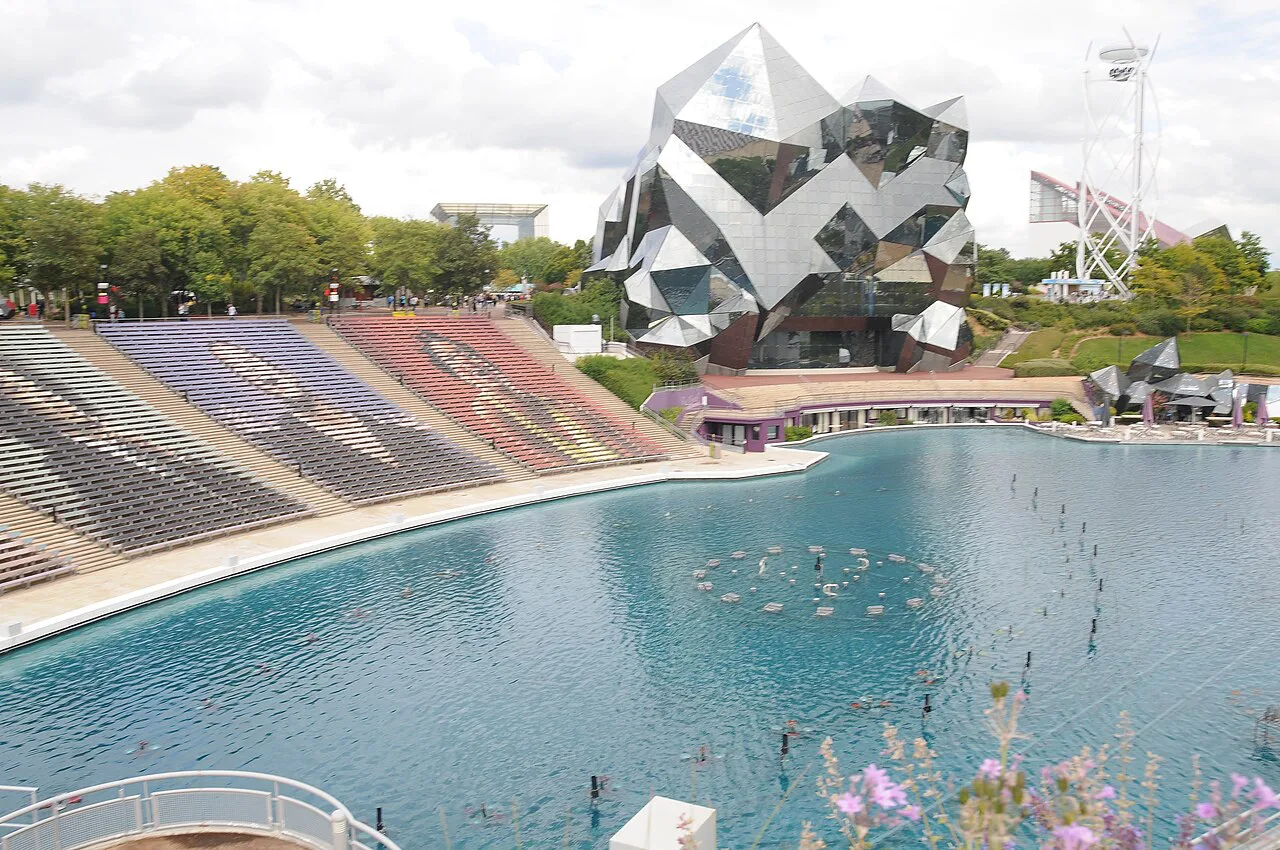
Futuroscope spreads across open parkland at Chasseneuil-du-Poitou, just outside Poitiers, and its mix of vast indoor theatres, simulators and open-air plazas means a wet forecast rarely wipes out the day. The park rewards planners rather than improvisers: the same rain that closes an outdoor coaster queue can leave you walking straight into a dome-scale cinema. That makes it a rare French park where weather shapes the order of your day more than the decision to go at all.
Use seasonal expectations to choose the month, then use a short-range forecast to choose the day and the sequence. The Met Office France pages carry city forecasts for Paris, Bordeaux and other French centres, while local forecasts for Chasseneuil-du-Poitou give the sharper picture.
Poitou seasons at a glance
Poitou sits inland from the Atlantic, so summers are warm and often sunny while winters are cool and damper, with spring and autumn the mild middle ground. Rather than betting on precise figures, treat the seasons as bands: late spring and early autumn give comfortable walking conditions between pavilions, high summer brings heat and long evenings, and winter visits lean on indoor shows and short daylight.
For the forecast closest to the park, the Poitiers ten-day outlook is a sensible second opinion on top of the Chasseneuil-du-Poitou page, and the two together tell you whether a shower band is passing or settling in.
Why weather matters more here than at a coaster park
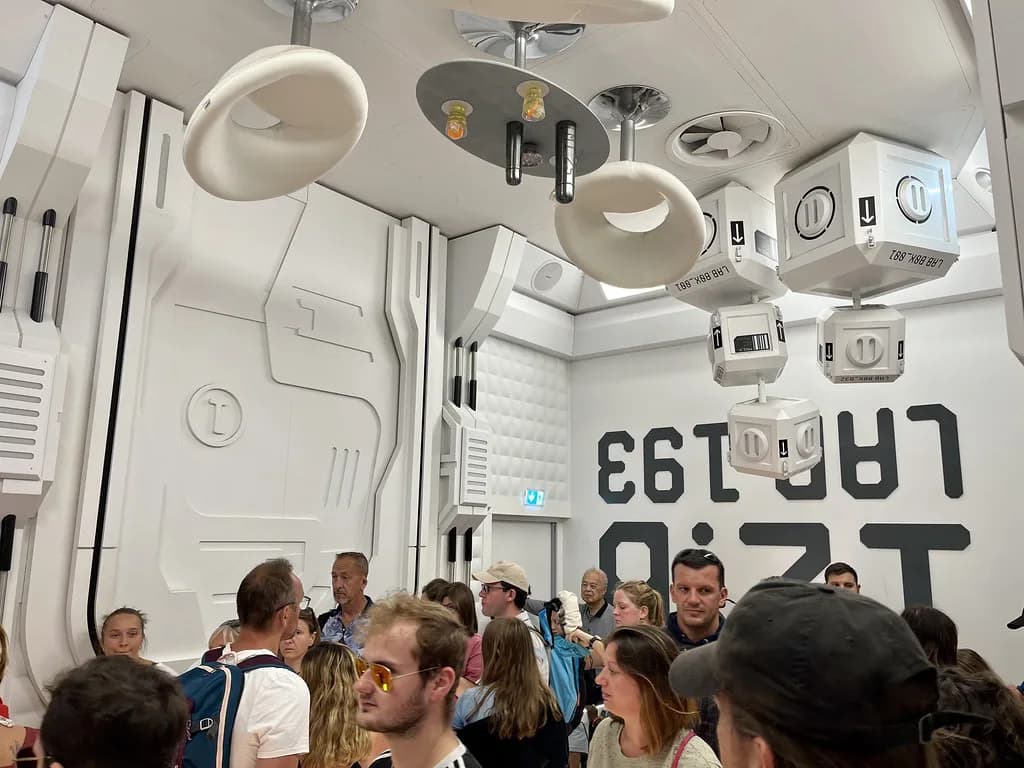
Futuroscope was built as a cinema and image park, so a large share of its headline content plays out inside theatres, domes and simulators rather than on exposed tracks. On a wet or fiercely hot afternoon you can move from one indoor presentation to the next with only short walks between buildings, which keeps a full day viable when a traditional park would empty.
Read the Futuroscope guide before you build a plan, because knowing which pavilions cluster together lets you keep wet-weather walks short and save the open-air stretches for a dry spell.
The trade-off is that indoor capacity is finite, so on a rainy school holiday the popular domes fill early and you queue in shelter rather than in the open. Arriving at opening and heading straight for the biggest indoor draw is usually better than drifting in after lunch.
Which attractions stay indoors when it rains
Futuroscope's film and motion-simulator attractions are the backbone of a wet day: they run under cover, with pre-show and loading areas inside, so rain affects only the walk between buildings. Family films such as Arthur and the Minimoys and the flight-based L'Extraordinaire Voyage belong on the wet-day list precisely because the experience happens in a sealed auditorium or on a motion base.
Outdoor live shows, water features and open plazas are the first things to drop when the sky opens, so keep them as flexible extras rather than fixed appointments. If a shower is forecast for mid-afternoon, put indoor films in that slot and use the morning for anything with an exposed queue.
The wave pool and slides at the Aquascope at Futuroscope are an indoor-water option worth knowing about when the outdoor park feels uninviting, though you should still confirm the day's sessions before travelling.
Buildings and covered walkways: using the layout
The park is laid out as a loose circuit of themed zones, and several of the wide paths between them pass close to pavilion entrances, so a sensible rain route is a loop that never leaves you exposed for long. Pick two or three indoor anchors per zone rather than criss-crossing the site, since backtracking across open ground is what actually soaks a family.
Food halls and covered seating double as shelter, and the Futuroscope Food and Restaurants pages help you place lunch near the next indoor show so the break does double duty.
Wind and storm days
Wind hits outdoor structures and tall show elements harder than rain does, and operators commonly pause exposed attractions when gusts pick up, so a blustery but bright day can still close more than a drizzly one. Before you commit to an outdoor draw, look at the day's wind forecast on the same Chasseneuil-du-Poitou or Poitiers pages you used for rain, and plan an indoor fallback.
Summer thunderstorms tend to arrive in the afternoon, so front-load open-air activities and hold the domes for the storm window. If lightning is in the forecast, treat any exposed queue as off the table and stay in the covered zone.

Summer heat and long daylight
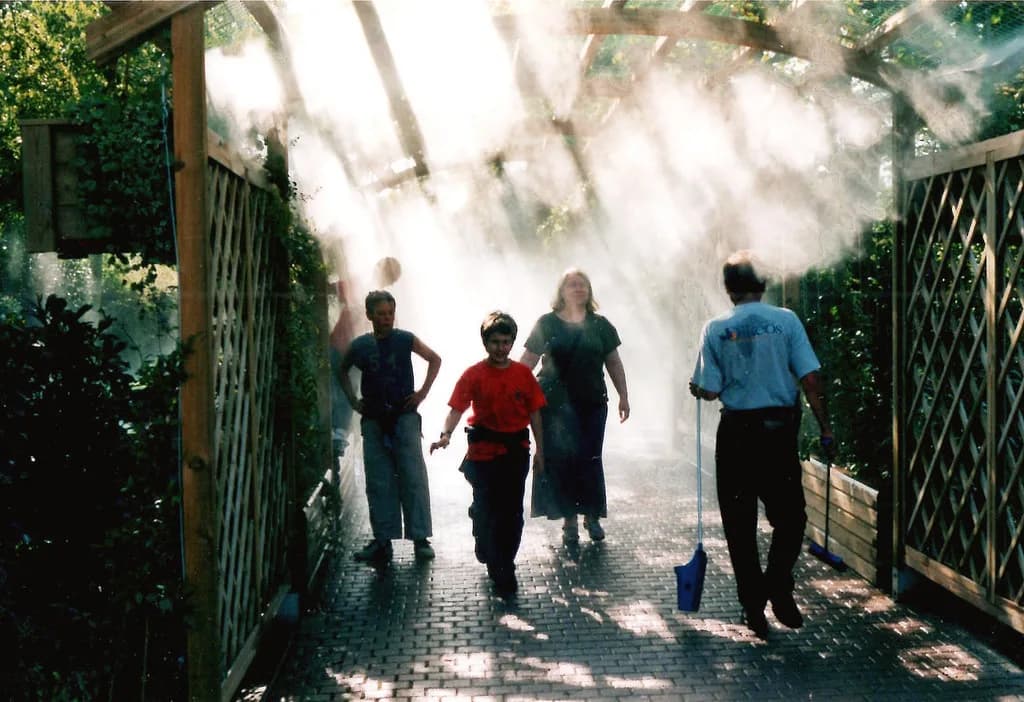
High summer gives Futuroscope its longest opening days, and the extra evening light lets you split the visit rather than push through the hottest hours. A useful pattern is indoor screens and simulators from late morning to mid-afternoon, a proper shaded lunch, then outdoor shows and the water park as the heat eases.
Heat matters most for young children and anyone waiting in an exposed queue, so check the day's peak temperature before deciding whether to arrive at opening or to come later and stay into the evening.
On very hot days, water play at the Futuroscope water park is a better heat plan than hiding in air-conditioned shows all afternoon, especially for families with older children.
Mornings versus afternoons
Use the forecast hour by hour to choose your window rather than trusting the daily summary: a morning of showers and an afternoon of sun needs the reverse plan to the usual rope-drop approach. If the morning is dry, take the outdoor draws first and let the indoor domes absorb the afternoon storm.
The Futuroscope rides pages are the place to map which open-air experiences you most want, so you can slot them into the clearest block instead of discovering them in the rain.
Families with young children on a wet day
Small children handle a rainy Futuroscope day best on a short loop with frequent stops: one indoor film or simulator, a snack under cover, then the next short walk. Pushchairs move well on the paved paths, but wet surfaces and crowded covered areas slow everything, so plan fewer pavilions than you would on a dry day.
Indoor gentle films and the calmer simulator experiences suit younger visitors and give parents a dry base between showers, and the family-oriented lines at Arthur and the Minimoys are worth saving for a wet afternoon slot.
If you want to end the day indoors with something bigger, the L'Extraordinaire Voyage dome-style presentation is the sort of single headline indoor experience that anchors a family afternoon without any exposed queuing.
Thrill-seekers: saving the outdoor rides
Futuroscope's thrill content leans on motion simulators and big-screen sensations rather than tall coasters, and many of those sit inside, so a wet day costs you less of the park than you might expect. Protect the outdoor experiences for the dry window: check the hour-by-hour forecast and be ready to reshuffle so the exposed ride slots fall on the clearest hours.
If queue times tighten once the rain clears and everyone moves outside at once, the Futuroscope fast track and queue-jump passes can reset your schedule, and they are worth considering for the headline indoor films on the rainiest days.
The fastest, most disorienting experiences appeal to teens and adults and work in almost any weather, because the sensation belongs to the screen rather than the sky.
Seasonal events and weather
Futuroscope runs seasonal programming through the year, and autumn and winter events sit squarely in the wet months, so a rain plan and an event visit often go together. If you are coming for an evening event, the forecast matters more than usual because you are outdoors after dark.
The park's own calendar is the place to match event dates against your visit, and the Met Office France forecast should be the last check before you book a specific evening.
Booking flexible or dated tickets
Futuroscope tickets come in a range of types, and choosing between dated and flexible entry is the single most useful weather hedge: a dated ticket locks your day, while a flexible option lets you move it if a storm is forecast. Read the Futuroscope tickets page before booking so you know which products carry that flexibility.
Multi-day tickets are only worth it if your dates are already weather-proof, since a short break with one washed-out day is better covered by the indoor-heavy layout than by an extra day you cannot use.
Getting there by train and car
Futuroscope sits beside the high-speed line at Chasseneuil-du-Poitou, and the TGV stops at the on-site station with covered access to the park, so train travel takes weather out of the journey itself. By car, the park is signposted from the A10 and parking is on site, though you walk to the entrance from the car parks, which matters more in rain than in sun.
For an overnight stay, the Futuroscope hotels give you a short, mostly covered walk to the gates, which is the real wet-weather advantage of staying on site.
If you want a full-service base, the Arena Futuroscope area includes hotels within sight of the park, and the tickets page covers arena bookings and what they include.
Nearby alternatives if the forecast turns
The wider Poitou area offers alternatives if a severe storm is coming, but for a family park day the sensible fallback is usually a different type of outing rather than a different theme park. If you want to compare how another French park handles rain, our Disneyland Paris weather and rain plan sets out the indoor-versus-outdoor logic on a similar, larger scale.
For a park built almost entirely around outdoor shows and natural settings, see how Puy du Fou weather changes a plan when there is no indoor fallback.
Plan Your Visit
Treat Futuroscope as an indoor-first park on uncertain days: lock the films and simulators into the wet or hottest hours, then use the clear window for the open-air shows and water park. Seasonal norms choose your month, the Met Office France pages and the Chasseneuil-du-Poitou forecast choose your day, and the official calendar fixes your hours.
Explore more Futuroscope guides
Frequently Asked Questions
What is the weather like at Futuroscope by month?
Poitou has warm, often sunny summers and cool, damper winters, with spring and autumn as the mild middle ground. Exact temperatures vary year to year, so use the seasonal band as a rough guide and the short-range forecast for the actual visit.
What can you do at Futuroscope when it rains?
Lean on the indoor theatres, domes and simulators, which make up a large share of the park's headline content, and keep the outdoor shows and water features for a dry spell. The Aquascope is an indoor water option if the open park feels uninviting.
Do Futuroscope rides close in wind or storms?
Exposed attractions commonly pause when gusts pick up, and thunder brings any open-air queue to a halt. Rain alone affects the park less, because most experiences run indoors, so check the wind forecast alongside the rain.
When is the best time of year to visit Futuroscope for good weather?
Late spring and early autumn give the most comfortable walking conditions between pavilions, while high summer delivers the longest days and most heat. Winter suits indoor-focused visits with short daylight.
Is summer at Futuroscope too hot for young children?
Heat is manageable if you use the indoor screens and simulators during the hottest hours and take a shaded lunch break. Consider arriving at opening or later in the day to avoid the peak.
Can you get a refund if the weather is bad at Futuroscope?
Refund and change rules depend on the ticket type you buy, so read the conditions on the official booking page before you commit. Flexible tickets hedge against a bad forecast better than dated ones.
How do you check the forecast for Futuroscope before visiting?
The Met Office France pages give a national picture, and the local Chasseneuil-du-Poitou and Poitiers forecasts give the sharper rain and wind detail. Check the hourly view the day before and again on the morning of your visit.
Sources
Notes for your next park day
Optional updates to our park guides.
You might also like



Continue reading
More guides you'll find useful