Tibidabo Water Park: Plan Your Day and What to Expect
Tibidabo is a mountaintop amusement park in Barcelona, not a water park. Here is what the park offers and how to plan a family day on the mountain.
On this page
Tibidabo is a historic amusement park sitting on Barcelona's highest hill, and it is not a water park. Anyone searching for slides, wave pools or splash zones at Tibidabo will find none of those; what they will find is a century-old park with mechanical rides, a free panoramic terrace and some of the best city views in Catalonia. Our Tibidabo guide sets out what is genuinely on the mountain and how to shape a family day around it.
The park opened in 1901 after pharmacist Salvador Andreu drove the construction of a tramway, a funicular and a leisure complex on the summit, and it has been under Barcelona City Council management since 2002. Locals long called it the Children's Paradise, and that family character still shapes the ride mix today.
What Tibidabo actually is
Tibidabo is an amusement park, not an aquatic one. Its rides are dry attractions: a classic airplane replica, a dark-ride-style aerial railway, a modern coaster and children's favourites, spread across terraces on the mountain. There are no pools, slides or swim areas, so families wanting water play should look at Barcelona's beaches, public pools or a dedicated water park elsewhere in Catalonia instead.
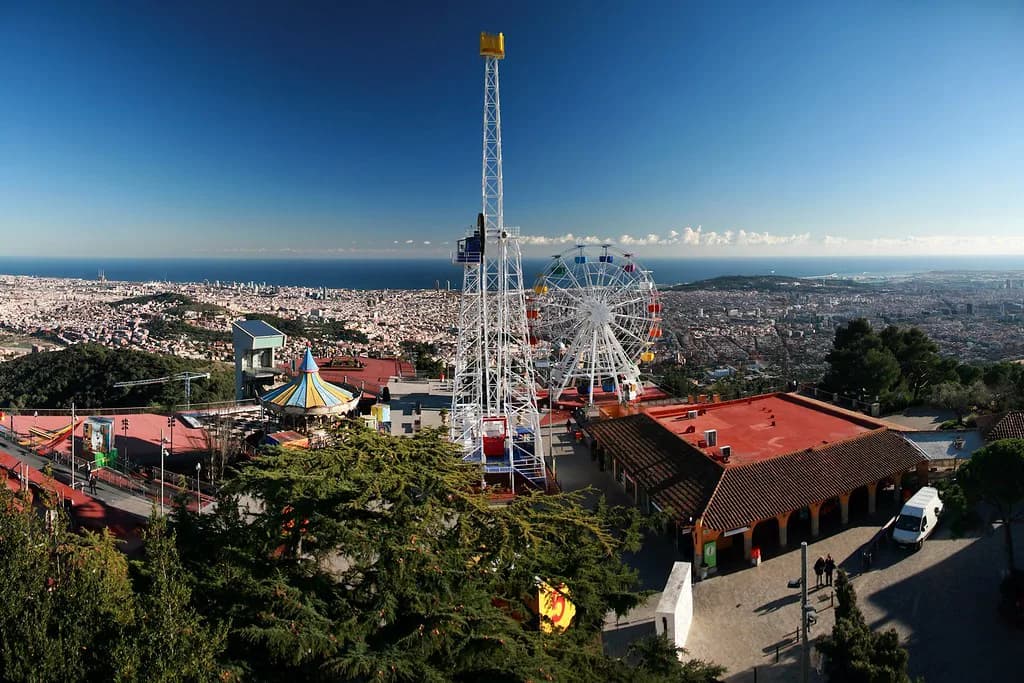
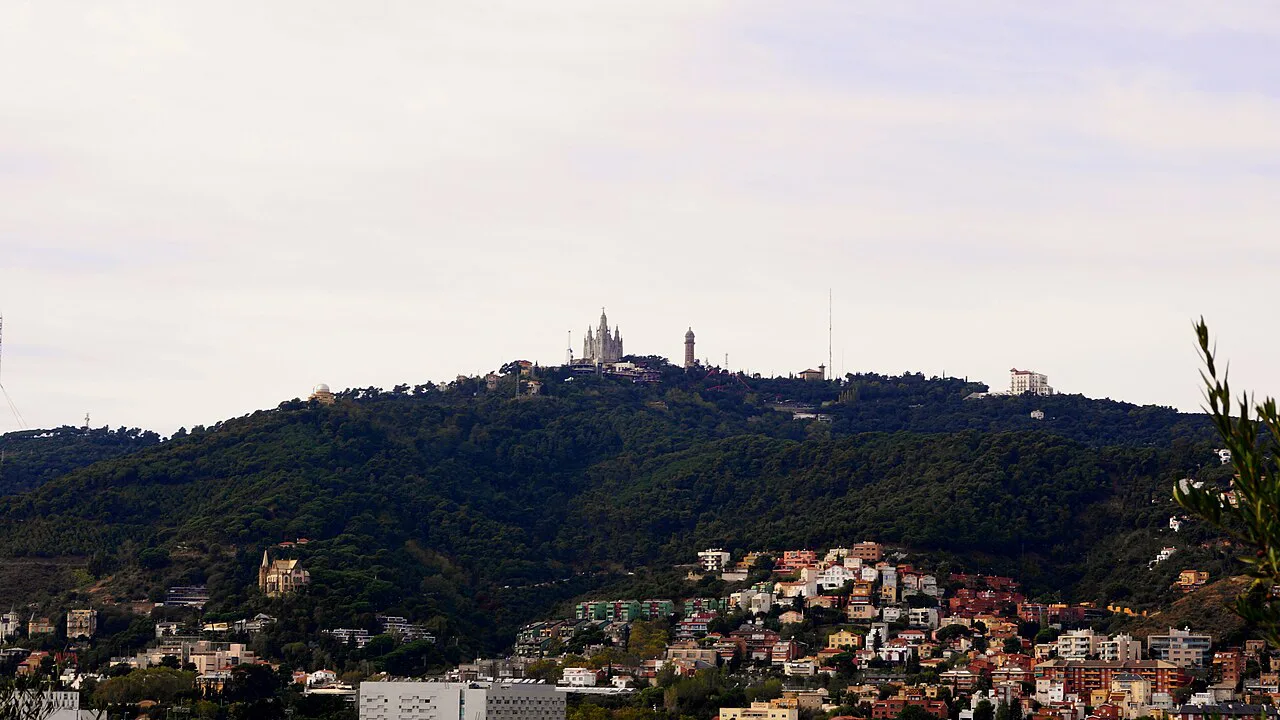
The mountain itself is the setting. Tibidabo is the highest peak of the Collserola range at 512 metres, a forested natural park that rises behind Barcelona and gives the park its views. That elevation is also why the climb is part of the day out rather than a simple bus stop.
Where the park sits and how the Panoramic Area works
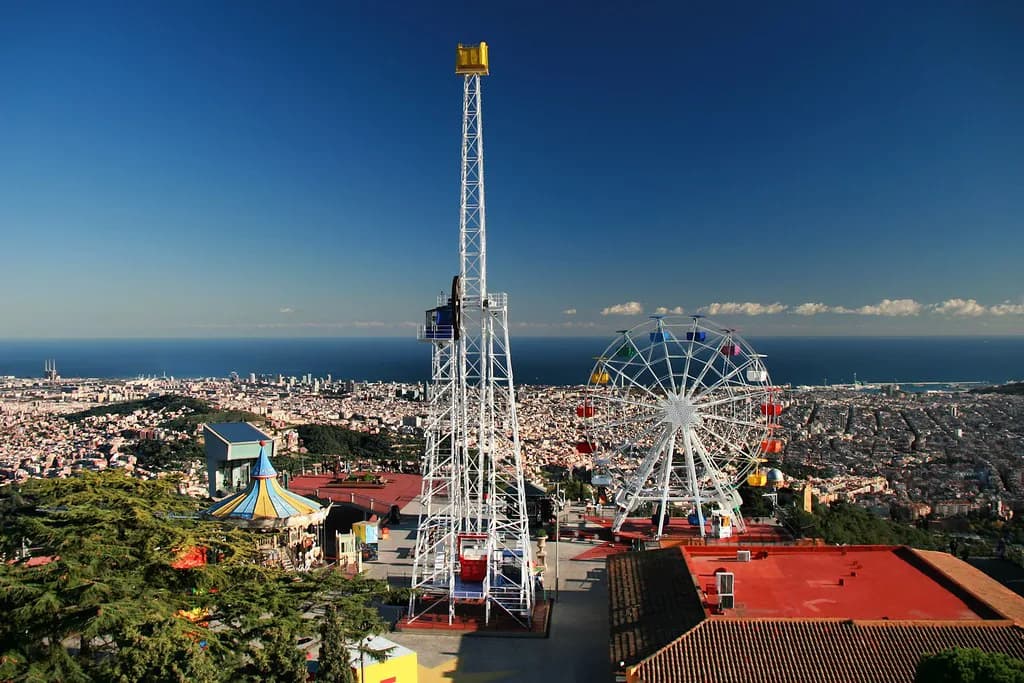
The park occupies the summit terraces, and since 2007 its upper section has been a free-access Panoramic Area that extends towards Hotel La Florida. You can walk into that zone without a ride ticket, take in the view over Barcelona and the Collserola forest, and use it as a breather between ride sessions. Treat it as the flexible half of the visit: the ticketed ride area is where the attractions are, while the Panoramic Area is where you slow down.
Because everything sits on a hilltop, the layout is terraced rather than flat, and moving between the lower entrance and the upper terraces takes real time. A sensible plan is to ride the headline attractions while energy is high, then drift upward to the free area for views and a slower finish.
Rides and areas for thrill-seekers and teens
For teenagers and thrill-seekers, the Muntanya Russa is the park's standout modern coaster, described by the park as unique in Europe when it opened. Alongside it, the free-fall ride that was Catalonia's first gives the park a genuine adrenaline option, and the historic Aeromágic aerial railway remains a gentle but distinctive flight over the hillside rather than a white-knuckle ride.
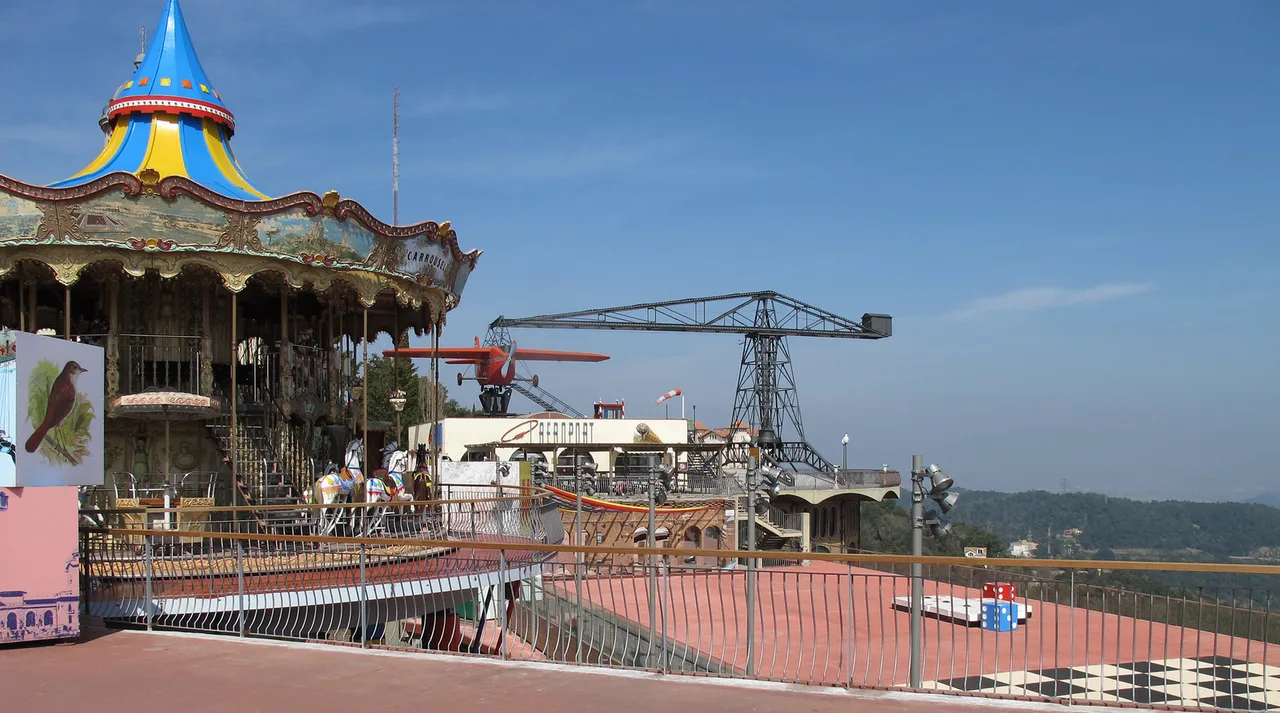
The Avió, a replica of the plane that made the first Barcelona to Madrid flight, is more heritage piece than coaster, and it was fully restored in 2017. Teens who expect tall, fast hardware should set expectations around a compact historic park rather than a major resort.
Classics and gentle rides
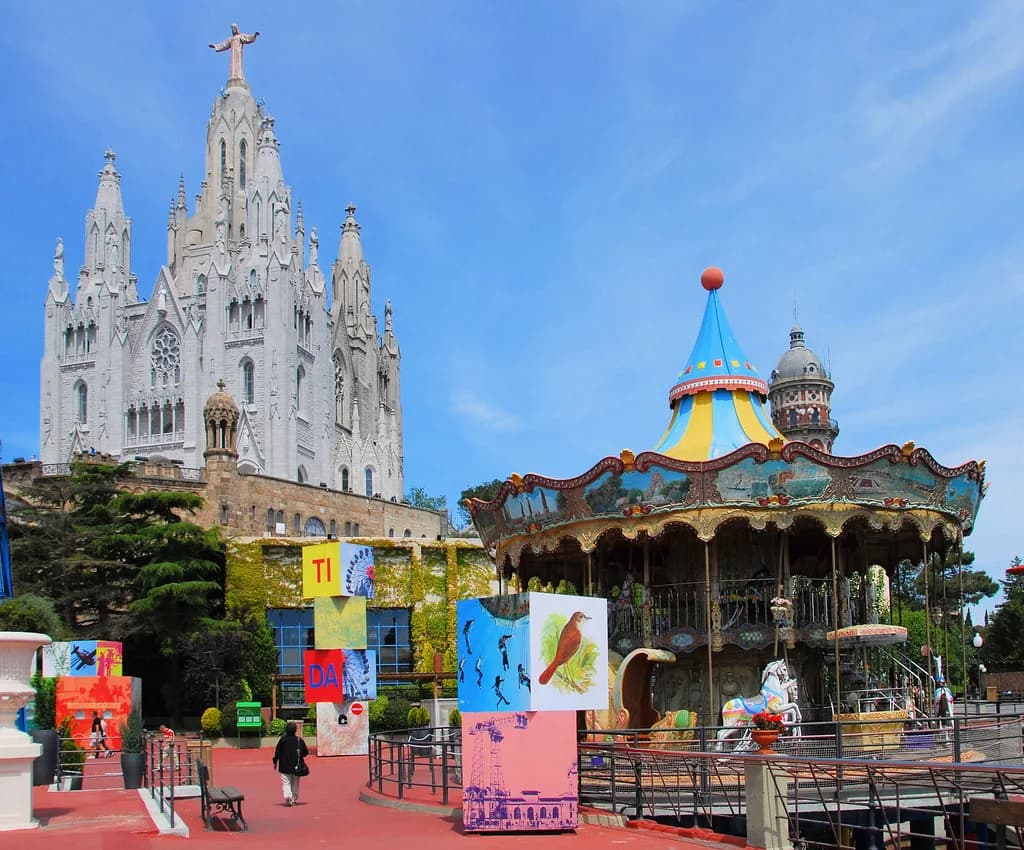
The park's personality comes from its older attractions: the Electric Carousel installed in 1910, the Talaia viewing tower from 1921 and the Avió from 1928 all still anchor the experience. These are slow, scenic and photogenic, and they suit grandparents and mixed-age groups as much as children.
Rides and areas for younger children
Young families are the core audience here. Castell dels Contes, completely reformed at the end of 2018, is the fairytale walk-through, while TibiCity, Interactibi and CreaTibi, which includes a Lego Education area and a robotics room, give younger children indoor and hands-on spaces alongside the outdoor rides. These indoor zones are especially useful when the weather turns on the mountain.
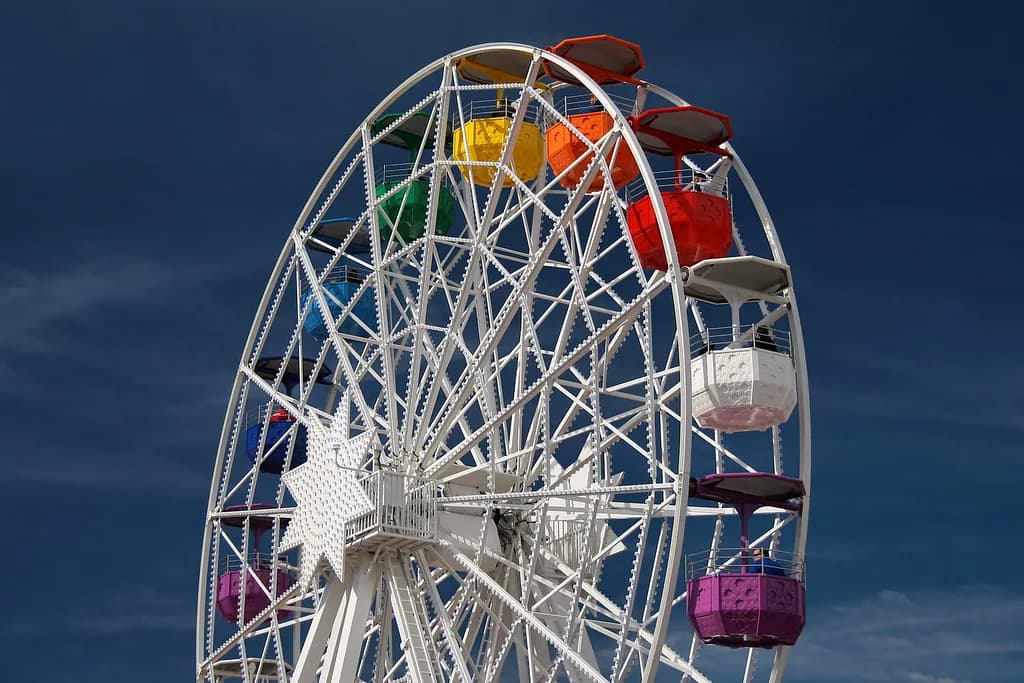
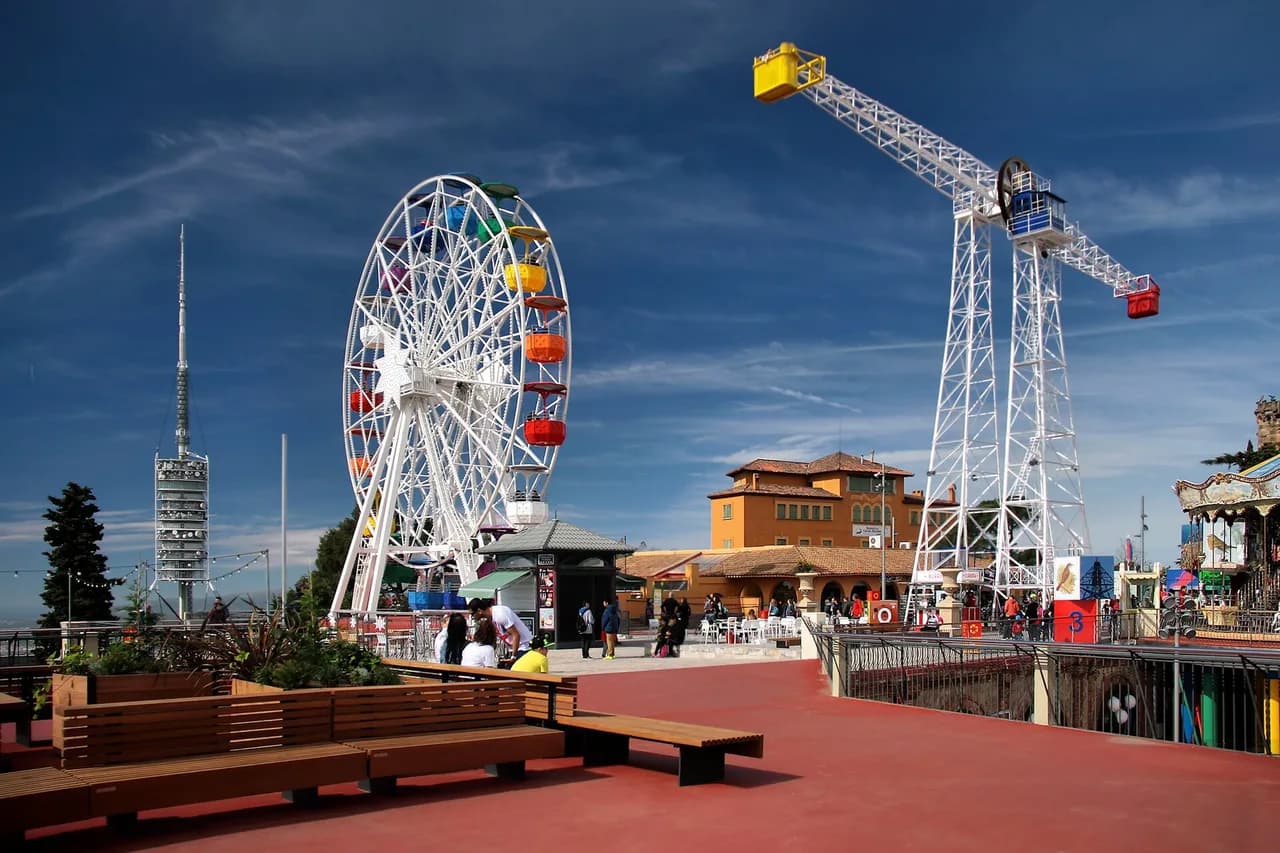
The Giradabo panoramic wheel has a cabin adapted for visitors with reduced mobility, which makes it one of the easiest rides to include for a group with mixed needs. The mascots Ti, Bi, Da and Bo appear across family shows and marketing, so small children will recognise them around the park.
Getting there: the Blue Tram and the Cuca de Llum funicular
The traditional route is the Blue Tram from the city up to the lower funicular station, then the funicular to the summit. The original funicular opened in 1901 as the first of its kind in Spain, and the current Cuca de Llum funicular, introduced in 2021, now climbs Tibidabo in about four minutes. Combining tram and funicular turns transport into part of the day, though it means two changes with children in tow.
If you are driving or taking a taxi, plan around the hill road and the summit parking rather than the city route. Full route details, boarding points and journey times are set out in this guide to how to get to Tibidabo, which is worth reading before you commit to a transport plan.
Tickets and TibiClub membership
Tibidabo sells dated day tickets for the ride area and runs TibiClub, its annual membership scheme, with several pass modalities and member benefits. Which product suits you depends on how many rides your group will actually use and whether a second visit within the year is realistic. Compare the options on the Tibidabo tickets page before buying, because the price you pay is set by the park's own rate card and varies by ticket type.
One practical distinction: the Panoramic Area is open access, so a non-rider in your group does not need a ride ticket just to enjoy the views. That makes a split-ticket day viable for grandparents or a partner who prefers the terrace to the attractions.
Opening season and picking a quieter day
Tibidabo is seasonal rather than year-round, and the free Panoramic Area and the ticketed ride area can follow different calendars. The official site publishes the schedule and rates for each period, so match your date to the published calendar before booking transport.
Weekends and Barcelona school holidays draw the biggest local crowds, and the terraced layout means popular rides queue on narrow paths. Midweek visits in the park's open periods are usually calmer, and arriving at opening lets you clear the headline rides before the mountain fills up; the Tibidabo opening times page sets out the current pattern.
There is no separate fast-track lane at Tibidabo in the way large resorts operate them, so ride order and arrival time do most of the work. If queue-jump style products appear, they are sold through the park's own channels.
Food, shows and where to eat
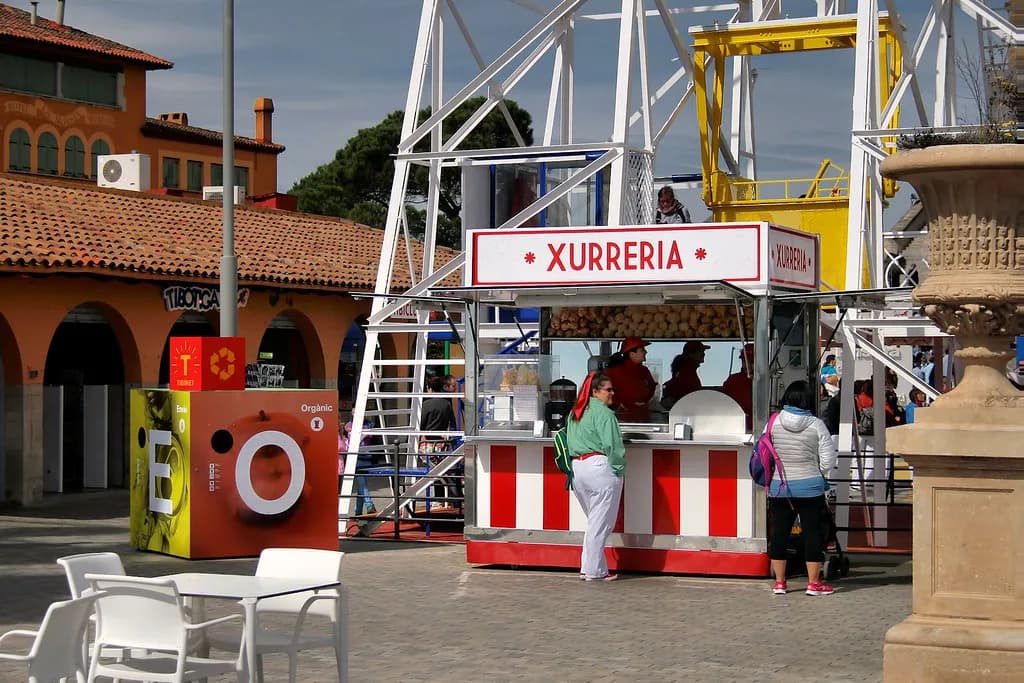
The park has restaurants on site, including the historic Masia Tibidabo building that began life as the Gran Cafè Restaurant Tibidabo and Hotel Coll. Eating on the mountain is part of the experience, but it also ties you to peak lunch queues.
Shows run alongside the rides, from family entertainment to seasonal productions such as the Wilhelm Freak Show during Halloween. Build one show into the middle of the day as a seated break rather than trying to fit everything in.
Seasonal events: Halloween and Christmas
Halloween brings themed shows and the park's scare offerings, while the Christmas season adds a sustainable ice rink on the mountain. Both transform the atmosphere and both are popular with Barcelona families, so they are the busiest periods outside summer.
For the winter version, the rink and festive programme are worth planning around rather than stumbling into; the Tibidabo Christmas guide covers what typically runs. Dates shift each year, so match them against the official calendar when your trip is fixed.
Accessibility, baby care and facilities
The park has worked on step-free access over the years, adding panoramic lifts and levelling the main square so the space is accessible to everyone. The Giradabo wheel includes a cabin for visitors with reduced mobility, which helps groups planning around a wheelchair user.
A hilltop park with terraces and historic buildings means some paths and older rides remain harder to navigate than a modern resort. If anyone in your group has specific mobility or sensory needs, read the accessibility section of the official site before you travel and agree a meeting point in the free Panoramic Area.
Nearby alternatives if you want water slides
If water play is the priority, Barcelona's city beaches and public pools are the closest options and are reachable by metro or bus from the centre. Dedicated water parks sit outside the city and need a separate day and their own transport planning.
A sensible split for a summer trip is a beach or pool morning and a Tibidabo afternoon once the heat eases, using the funicular climb for cooler air on the mountain. That gives you water and rides without expecting one site to do both.
Plan Your Visit
Tibidabo rewards a plan built around its geography: arrive early, ride the headline attractions first, then move up to the free Panoramic Area for views and a slower finish. Families with small children should bank on the indoor spaces and gentle classics, while teens head for the Muntanya Russa and free-fall ride.
If you are staying overnight, base yourself in the city and treat the mountain as a day trip; accommodation options near the park and across Barcelona are covered in this guide to Tibidabo hotels. Read the official Tibidabo site once for opening hours, rates and event dates before you book.
Frequently Asked Questions
Is there a water park at Tibidabo?
No. Tibidabo is a mountaintop amusement park in Barcelona with mechanical rides, shows and a free panoramic terrace. It has no pools, slides or splash areas, so a day here is about rides and views rather than swimming.
What rides does Tibidabo have?
The ride line-up mixes historic pieces with modern additions. The Avió plane replica, the Electric Carousel and the Talaia tower sit alongside the Muntanya Russa coaster and the Aeromágic aerial railway, with family areas such as Castell dels Contes, TibiCity and the Giradabo wheel filling out the day.
How do you get to Tibidabo from Barcelona?
The classic route combines the Blue Tram from the city with the Cuca de Llum funicular up to the summit, a climb of about four minutes. Driving or taking a taxi means using the hill road instead, so decide on your transport before fixing a start time.
Is Tibidabo good for young children?
Yes. The park built its reputation as a family destination, and younger children get fairytale walk-throughs, hands-on indoor spaces with a Lego area and robotics room, gentle classics and the mascot characters around the park.
What is the TibiClub pass?
TibiClub is the park's annual membership scheme, sold in several modalities with member benefits. It makes sense if you will visit more than once in a year; for a single day, a dated ride ticket is the simpler purchase.
Sources
Notes for your next park day
Optional updates to our park guides.
You might also like

Continue reading
More guides you'll find useful