Gardaland Weather: Rain Plans and Best Months to Visit
Plan a Gardaland day around Lake Garda weather: how rain, heat and wind shape rides, which months suit families, and indoor fallbacks for wet days.
On this page
Gardaland sits on the flat southern shore of Lake Garda at Castelnuovo del Garda, a setting that brings hot, humid summers and short, sharp afternoon storms rather than all-day drizzle. That pattern matters more than any single forecast: a morning that starts clear can turn thundery by mid-afternoon in July and August, so the rides you most want are best ridden early. This guide separates the weather you can plan around from the weather you simply work around.
The park mixes big open-air coasters with dark rides, theatres and an aquarium, which means a wet or blowy day rarely wipes out the visit, it just redistributes it. Families with young children and thrill-seekers can follow the same forecast and still want different routes through the day. Use the Gardaland guide for the overall layout, then apply the weather decisions below.
What Lake Garda weather means for a Gardaland day
The southern lake basin is warm from late spring to early autumn, and the Met Office forecast for Lake Garda shows how quickly conditions shift across a single week, with sunny days, heavy rain spells and moderate UV levels sitting side by side. The practical read is that you should treat any summer day as potentially two days: a dry morning and a stormy late afternoon.
Rain in this part of Veneto often arrives as a burst rather than a steady soak, and thunderstorms build over the foothills behind the lake. Wind is the other variable worth watching, because the lake funnels breezes across open ground. Check a short-range forecast for Castelnuovo del Garda the evening before rather than relying on a forecast made a week out.
Temperatures in the region regularly reach the low twenties even in October, which keeps outdoor rides comfortable well past the UK school summer holidays. The trade-off is that spring and autumn days can start cool and brighten by lunchtime, so early entry feels colder than the afternoon. Plan your outdoor coaster block for the warmest hours and leave indoor attractions for the edges of the day.
Gardaland's season and how the official calendar shapes a visit
Gardaland operates a seasonal calendar, and the days and hours vary through the year rather than running a fixed daily timetable. The park's own calendar is the only reliable source for which days it opens in a given month and how late it stays open, so build your trip dates around it before booking transport or a hotel. Winter closures mean a December visit and a July visit are completely different propositions. If you are weighing Gardaland against a longer European park trip, the Europa-Park guide shows how a park's own seasonal calendar shapes the same kind of weather planning.
Opening hours decide your weather strategy as much as the forecast does. On a shorter day, a storm at 4pm can end your outdoor riding, so front-load the coasters. On a long summer evening opening, you can afford to retreat indoors during a downpour and return to the big rides afterwards.
Weather by season: spring, summer, early autumn
Spring brings mild, changeable days with a real chance of rain and cool mornings, but shorter queues and comfortable walking conditions. Summer is hot and humid with the highest storm risk, and it is when water rides and shaded queues matter most. Early autumn is arguably the sweet spot: the lake still holds warmth, days stay pleasant, and the crowds thin after the Italian school holidays end.
Gardaland's Halloween and Christmas seasons extend the operating year beyond the classic summer window, and late-season weather is cooler and wetter, with shorter daylight. If you are weighing a summer visit against an autumn one, think about which rides you care about: water rides and open-air coasters reward the summer heat, while dark rides, shows and the aquarium lose nothing in October.
Rain at Gardaland: which ride types and shows keep a wet day moving
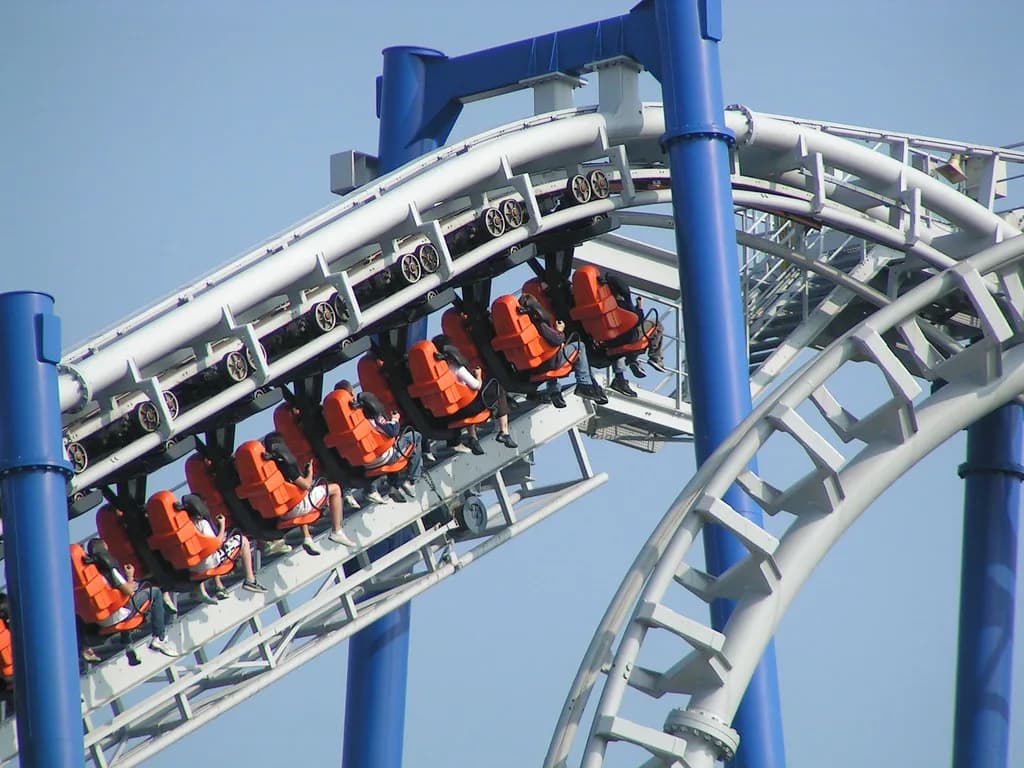
Light rain rarely stops a park day, but it changes which rides are worth queueing for. Outdoor coasters run in drizzle but become unpleasant and sometimes paused in heavier rain and storms, while indoor dark rides, simulator-style attractions and theatre shows are unaffected. The smart wet-day route keeps you in the sheltered core of the park during the worst of a shower and saves the exposed coasters for the gaps.
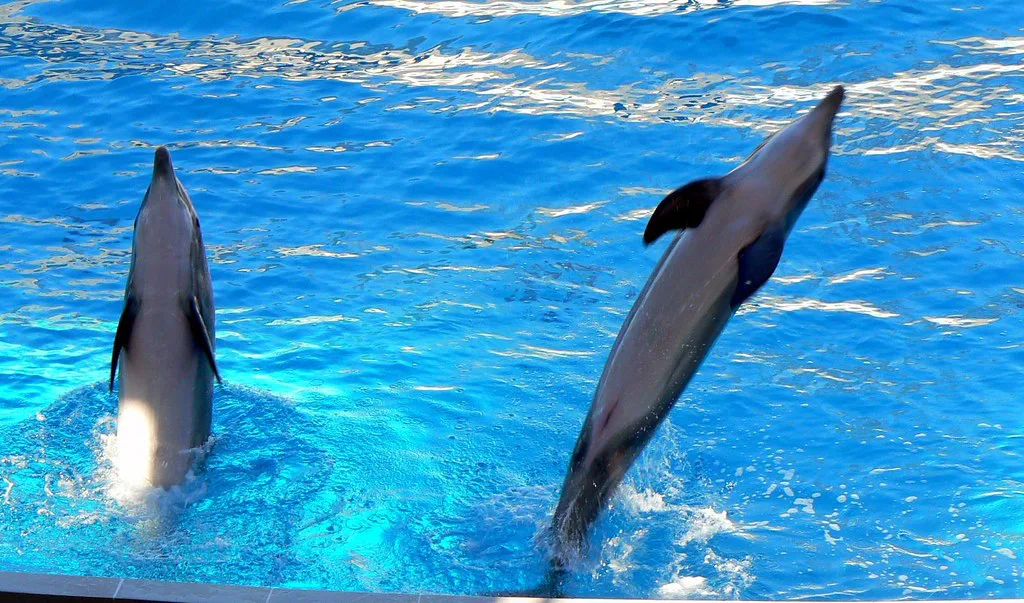
Gardaland SEA LIFE Aquarium is the obvious anchor when rain sets in, because it is entirely indoors and gives children something to do while a storm passes. Pair it with an indoor ride and a show slot rather than treating the aquarium as a whole afternoon. The Gardaland map shows how the themed areas connect, which helps you avoid long exposed walks between shelters.
Wind and storms: how exposed rides behave in a blowy Po valley afternoon
Thunderstorms, not drizzle, are the real threat to a summer Gardaland day. When lightning is in the area, tall open-air rides stop and restart only once the storm has cleared, which can leave a gap of an hour or more. Watch the sky over the hills behind the lake in the early afternoon; a fast-building dark bank is your cue to move indoors before the announcement comes.
Wind on its own is usually less disruptive than a storm, but exposed coasters are the first to feel it. On a gusty day, ride the big outdoor attractions in the calmer morning and keep the afternoon flexible. There is no point queuing for an exposed coaster while gusts build, so use that window for indoor rides and food.
Summer heat and shade: midday pacing for families with young children
July and August heat builds through the middle of the day, and the Met Office UV reading for the lake area reaches moderate levels even in October, so summer exposure is significant. The practical move is to ride hard in the first two hours, then retreat to shade, indoor attractions or a long lunch during the hottest stretch. Families with young children benefit most from this rhythm because tired toddlers and peak heat make a bad combination.
Water rides double as heat relief in summer, but they also draw the longest queues in the afternoon. Ride them in the morning or the late afternoon and keep the middle of the day for shaded play areas and shows. Carry water and refill where you can rather than relying on buying drinks at every stop.
Indoor and sheltered attractions to anchor a wet-day route
A workable wet-day route starts with the indoor cluster near the heart of the park and expands outward only when the rain eases. Dark rides, the aquarium and theatre shows give you three different kinds of shelter, and rotating between them stops the day feeling like one long queue. Check show times at the entrance on arrival so your route bends around them rather than fighting them.
When the rain is heavy and persistent, accept that the exposed coasters may be off the table and build the day around what still works. That is not a wasted visit: a family with younger children can fill a wet day comfortably with indoor rides, the aquarium and shows. Thrill-seekers should plan to return on a drier day for the headline coasters.
Ride order and rope-drop on a mixed-weather day
On a mixed-weather day, rope drop is your best protection against both crowds and afternoon storms. Head straight for the most popular outdoor coasters in the first hour while the sky is still clear, then work inward to indoor attractions as the day heats up. This order squeezes the most out of a day that might get cut short by weather.
If the forecast shows storms arriving by mid-afternoon, reverse the usual logic and ride the exposed attractions first, saving the sheltered ones as your storm-day buffer. On a settled day, the opposite works: use the busy middle hours for indoor rides when everyone else is queueing outside. Check the day's show schedule early so you can slot shows into the storm window.
Young children versus thrill-seekers: flexible plans for both
Families with young children should build the day around short outdoor bursts and frequent indoor breaks, which suits both heat and rain. Gentle rides and play areas fill the morning, the aquarium and shows cover the hottest or wettest hours, and a second gentle outdoor block in the cooler late afternoon finishes the day. Thrill-seekers sharing the trip can split off for the big coasters during the morning clear spell and regroup for lunch.
Height requirements decide which children can join the headline rides, so measure before you promise anything. Plan the split so the thrill-seekers hit the big coasters early while the rest of the group stays in the sheltered core, then swap at a fixed time and place. That way a shared wet afternoon does not strand anyone.
Halloween and Christmas events and how late-season weather usually feels
Gardaland runs seasonal events in autumn and over Christmas, and each comes with its own weather character. Autumn days are cooler and wetter with shorter daylight, so an evening event means dressing for cold and damp rather than summer heat. Christmas events fall in the cold season, when indoor attractions and shows carry more of the day than open-air coasters.
Event dates change year to year, so use the official calendar to fix your dates before booking. Late-season visits also mean shorter park hours, which makes a tight, weather-aware plan more valuable than on a long summer day.

Getting there by train, bus and car when the forecast turns
Gardaland sits close to Peschiera del Garda, which has rail connections on the Milan–Venice line and is the natural base for a car-free visit. Trains and buses get you to the area without worrying about wet roads or parking, though the final leg to the park gate may involve a shuttle or a walk, so allow buffer time in bad weather. Driving gives flexibility to leave early if a storm closes in, but expect slower traffic on wet afternoons.
Whichever way you arrive, aim to be at the gate before opening on a storm-risk day so you can use the clear morning. If you are coming by train, check the return timetable before you enter the park, because leaving during an afternoon downpour is easier when you know the next service. Staying nearby removes the transport gamble altogether on unsettled days.
Accessibility and rider swap on a rainy day
Wet weather makes covered waiting areas and indoor routes more valuable for anyone with mobility needs, so plan a route through the sheltered core of the park and use the accessibility information to identify step-free paths. Rider swap lets a parent wait with a young child while the other rides, then switch without queueing twice, which keeps a wet, slow day manageable for families.
Ask at guest services on arrival about the current rider swap process and any weather-related changes to access routes. On a rainy day, knowing which entrances are under cover saves a lot of backtracking.
Where to stay and eat when the weather is unsettled
Staying on site at the Gardaland Hotel or Gardaland Adventure Hotel shortens the wet walk to the gate and lets you retreat to a room during a storm instead of losing the day. On-site stays also make a two-day visit easier to spread across a mixed forecast: ride outdoors on the clear day, use the wet day for the aquarium and shows.
For food, indoor restaurants and covered seating are the wet-day priority, and the park's food guide covers the range of options. A long sit-down lunch is a useful storm buffer rather than wasted time, because you would not be riding anyway.
Plan Your Visit
Gardaland weather rewards a plan built around the day's shape rather than a single forecast number: ride the exposed coasters in the clear morning, retreat to indoor attractions during heat or storms, and keep the afternoon flexible. Families with young children and thrill-seekers can share the same day if they split early and regroup for meals.
Book your dates against the official calendar, choose a hotel or Peschiera base that suits your transport, and treat a wet afternoon as a change of route rather than a lost day. The official Gardaland calendar is the place to match opening days and seasonal events to your trip.
Explore more Gardaland guides
Frequently Asked Questions
What is the best month to visit Gardaland for weather?
Early autumn and late spring generally give the most comfortable balance of mild temperatures, manageable rain and smaller crowds than high summer. July and August are hottest and most prone to afternoon thunderstorms, so if you visit then, ride outdoor coasters in the morning and keep afternoons flexible.
Does Gardaland close rides in the rain?
Light rain usually does not stop the outdoor coasters, but heavier rain and especially thunderstorms prompt pauses on tall open-air rides until conditions clear. Indoor dark rides, shows and the aquarium keep running, which is why a wet-day route built around them works well.
How many days do you need at Gardaland?
Two days gives you room to absorb a wet or stormy afternoon without losing the headline rides, especially if you are travelling with a mix of young children and thrill-seekers. A single day works in settled weather if you start at opening and ride the big outdoor attractions first.
How hot does it get at Gardaland in summer?
Southern Lake Garda summers are hot and humid, and UV levels can be significant even outside midsummer. Plan the busiest outdoor riding for the morning, use shaded areas and indoor attractions during the middle of the day, and keep water on hand.
What can families do at Gardaland on a rainy day?
Build the day around indoor dark rides, theatre shows and the SEA LIFE Aquarium, and slot outdoor coasters into any dry gaps. Rotating between different kinds of shelter stops the day turning into one long queue, and a sit-down lunch doubles as a storm buffer.
When does Gardaland open for the season?
Gardaland runs a seasonal calendar with varying opening days and hours through the year, plus autumn and Christmas events. Match your dates to the official Gardaland calendar before booking transport or a hotel, since a December and a July visit follow very different schedules.
Sources
Notes for your next park day
Optional updates to our park guides.
You might also like
Continue reading
More guides you'll find useful