Europa-Park Guide: Rides, Tickets, Hotels and Getting There
Plan a Europa-Park trip with this guide to themed lands, headline rides by age, ticket types, VirtualLine, hotels, parking and train travel to Rust.
On this page
Europa-Park spreads a tour of Europe across themed areas modelled on countries from Italy to Iceland, with more than 100 attractions and 18 European country areas on a site in south-west Germany near the French border. Several themed lands sit alongside special zones such as Adventure Land, the Kingdom of the Minimoys and Grimm's Fairy Tale Forest, so a single day involves real choices about where to start and what to skip.
It is a park built for mixed groups: thrill-seekers get launched and wooden coasters, young children get playgrounds, boat rides and gentle coasters, and families can split up without crossing the entire resort. Language is rarely a barrier for English-speaking visitors, and signs, shows and staff flags make navigation manageable even for first-timers.
Where Europa-Park is and how the resort is laid out
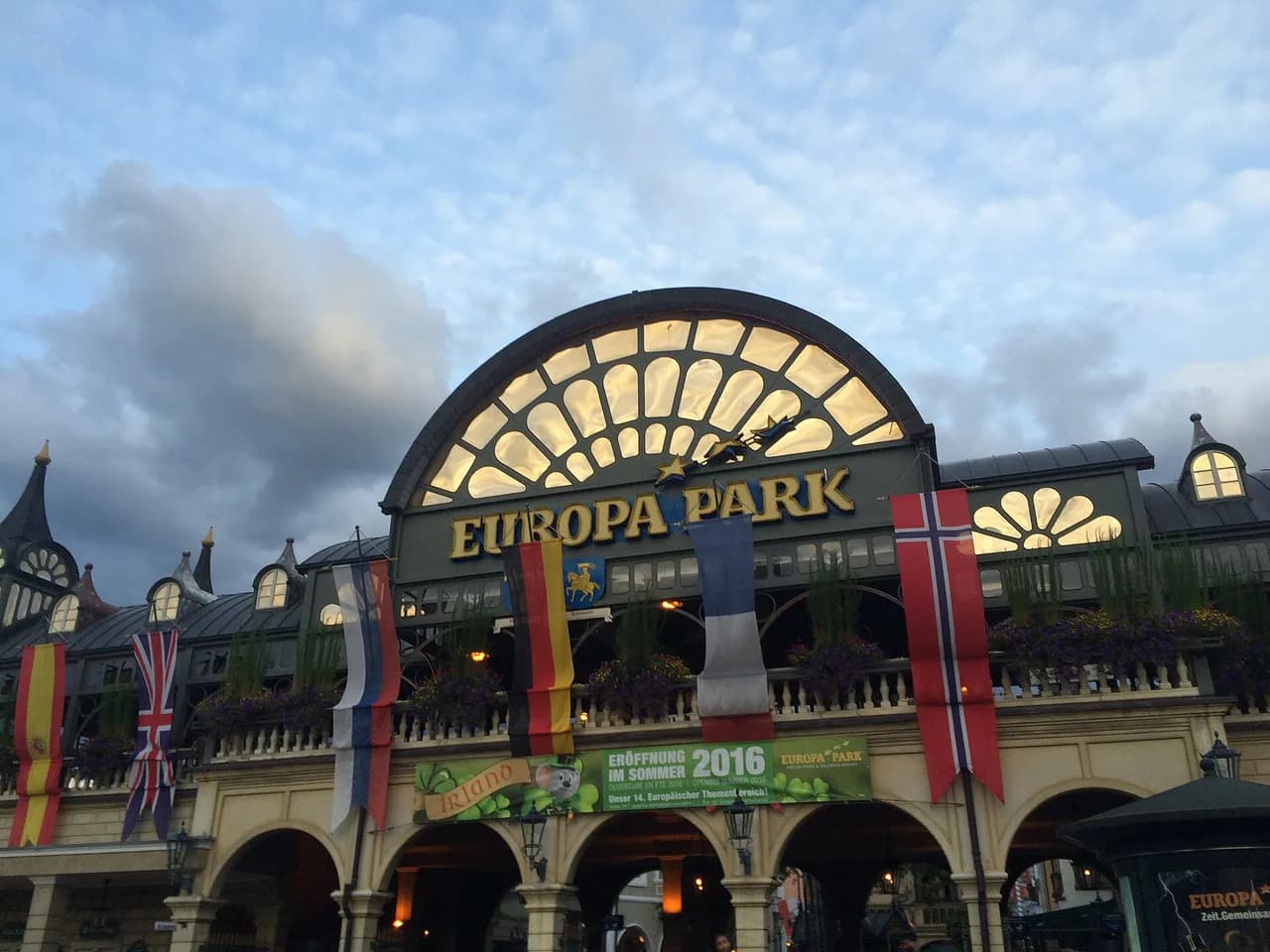
Europa-Park sits at Rust in Baden-Württemberg, between the Black Forest and the Vosges mountains, close to the French border and within reach of Strasbourg and Freiburg. The main entrance opens into the German-themed area, while guests staying in the on-site hotels enter through the Spanish area at the opposite end of the park.
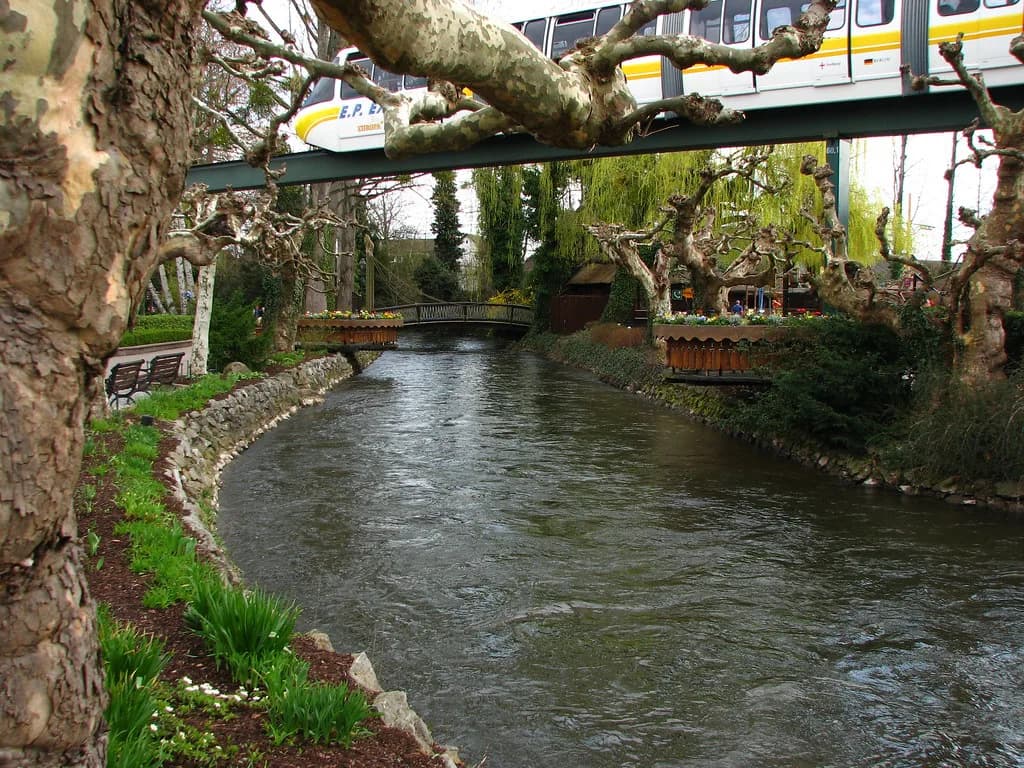
Distances inside the park are easy to underestimate. Two transport rides help: the EP Express monorail and the Panorama train, both of which link areas and double as a rest with a view. Treat them as part of your route planning rather than a novelty, especially with tired children in the afternoon.
The themed lands and what each one is known for
Italy was the first themed area, opened in 1982, and the country areas have been added in waves since: the Netherlands, Switzerland, England and France in the 1980s, Austria and Scandinavia in 1992, Spain in 1994, Germany in 1996 and Russia in 1998. Greece, Portugal, Iceland, Luxembourg and Ireland followed, with Liechtenstein in 2023, Croatia in 2024 and Monaco added on 28 March 2026.
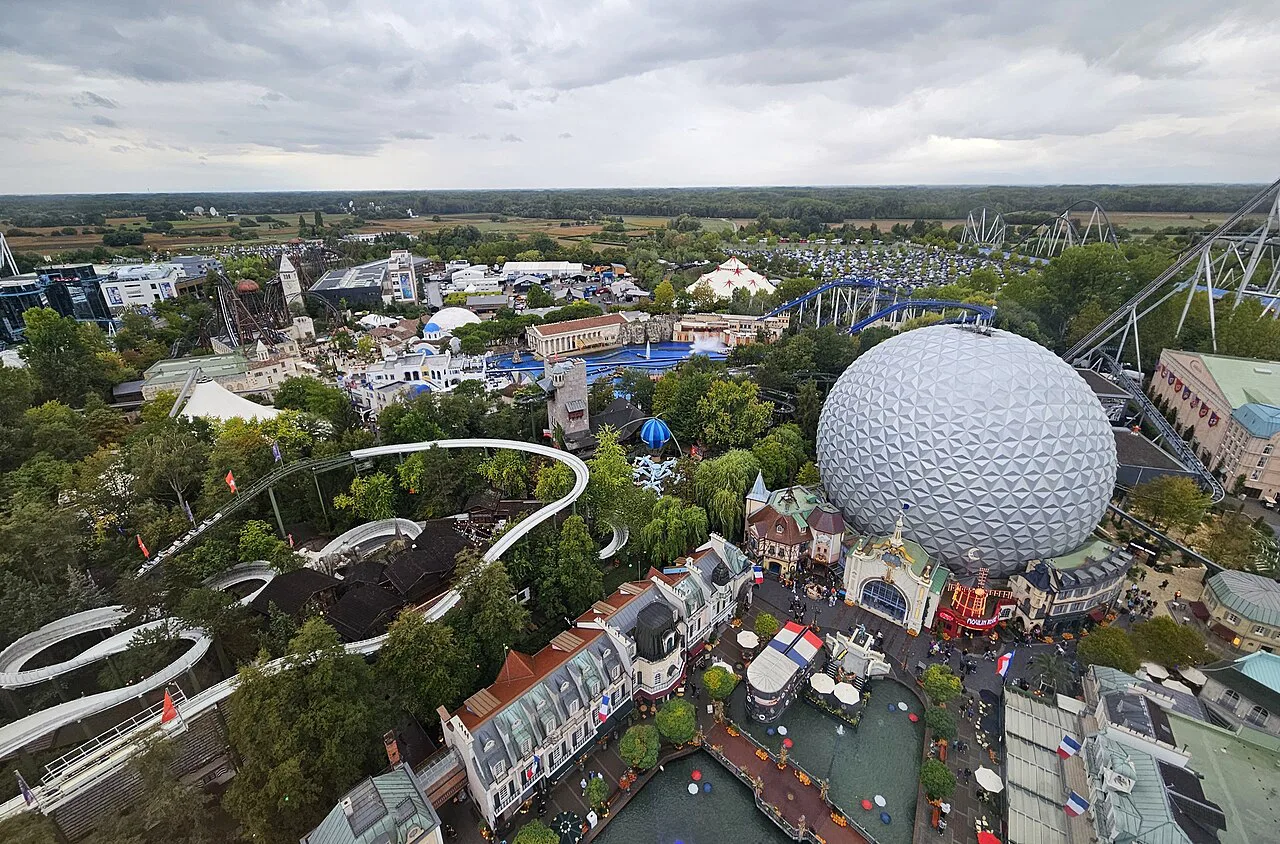
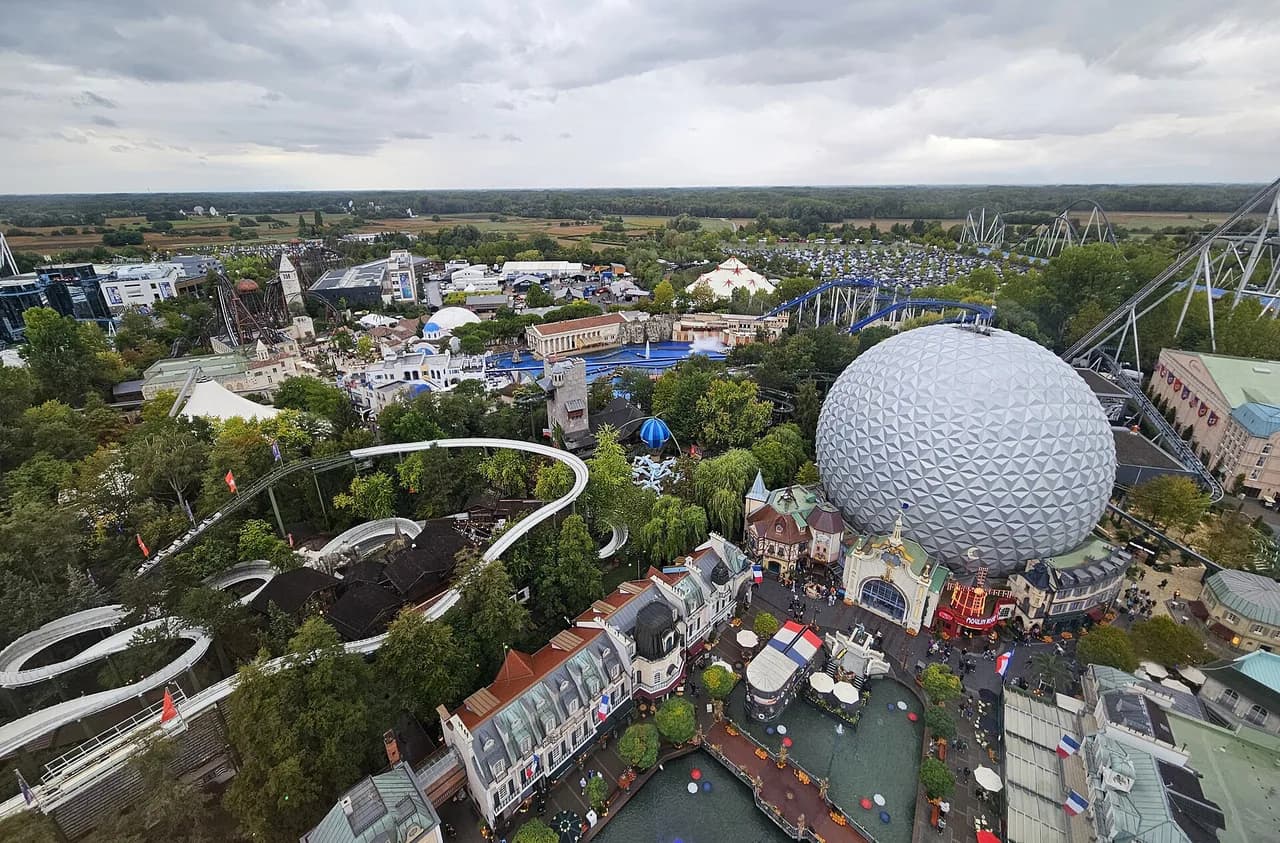
France delivers the big-coaster punch, with Silver Star, the Eurosat – CanCan Coaster and a Moulin Rouge replica that sets up the ride's nighttime Paris theme. Germany is the arrival zone and a good picnic stop, with Voletarium, a flying theatre, and Elfenfahrt, a gentle boat ride through a mythical world. Italy holds Volo da Vinci, where you pedal your own gondola, and the Castello dei Medici ghost house.
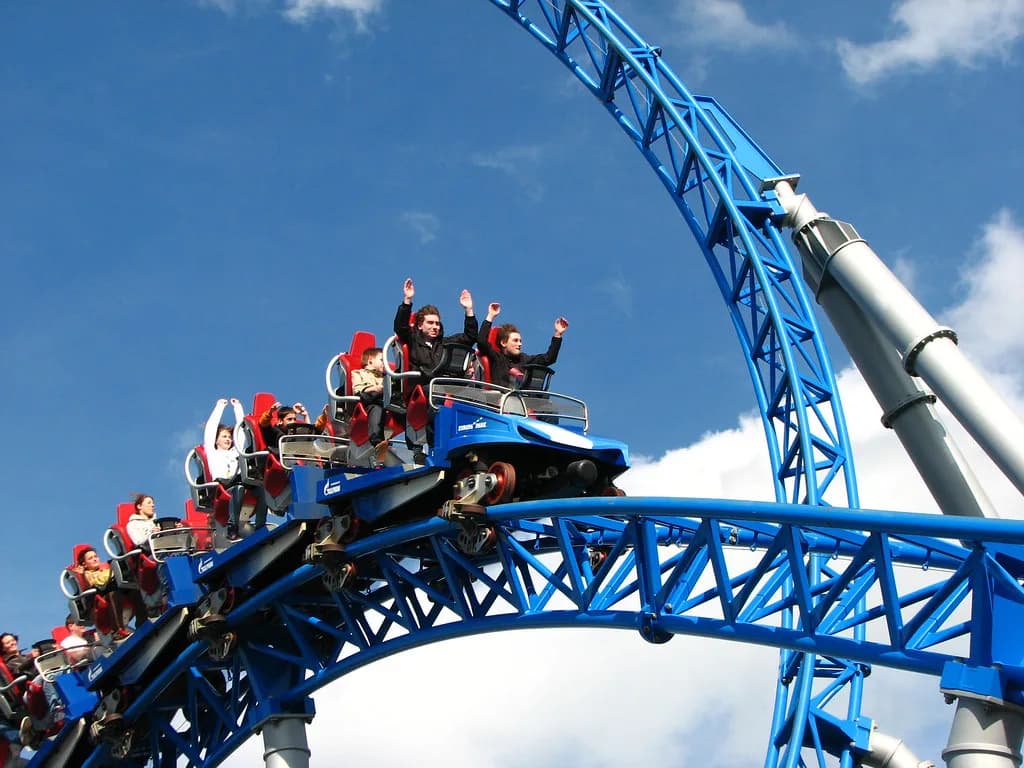
Iceland is the thrill-seeker's land, home to Blue Fire Megacoaster and WODAN – Timburcoaster, and its track crossings with Atlantica SuperSplash add to the spectacle. Greece pairs the Poseidon water coaster with the Pegasus family coaster, while Portugal is essentially built around the Atlantica SuperSplash splashdown. Scandinavia offers Fjord Rafting and Snorri Touren, a boat ride beneath the village.
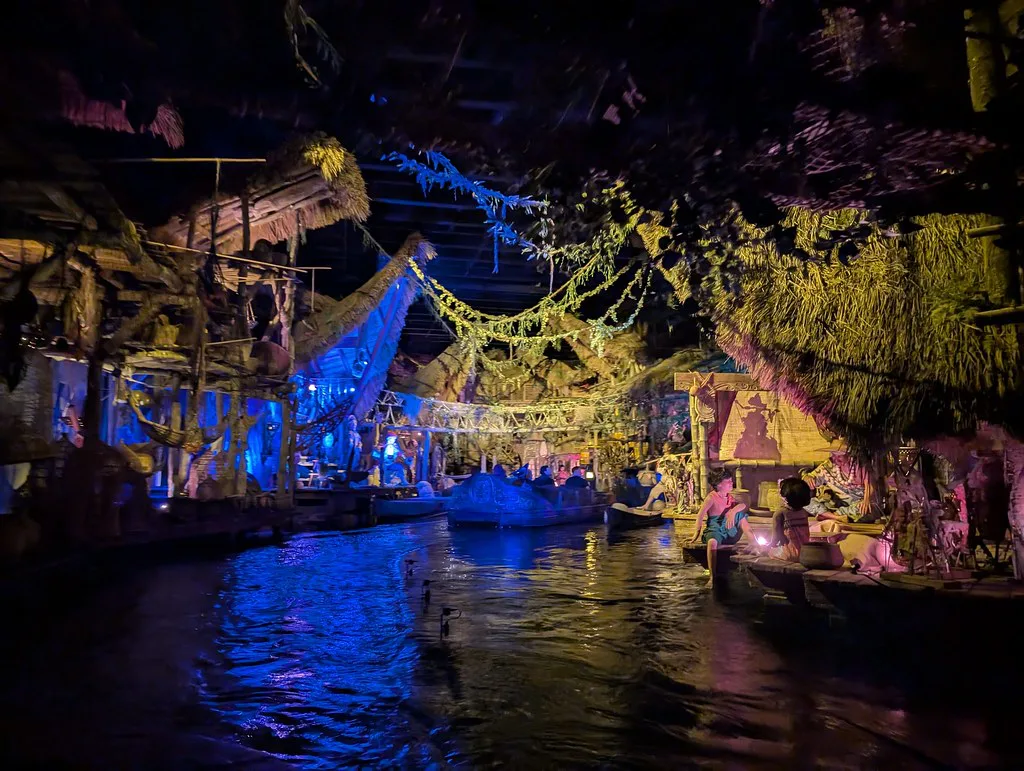
England, Ireland, the Netherlands and Spain are the family heartland: the Netherlands has Pirates in Batavia, an eight-minute water journey, Ireland has a castle-shaped indoor play area, and Spain stages flamenco and a stunt show. Luxembourg, though small, holds the FoodLoop restaurant, where dishes arrive by roller-coaster track, plus the GRAND PRIX EDventure.
Headline thrill rides and their height limits
Silver Star is the benchmark for height and speed: 73 metres tall, up to 130 km/h and over 20 seconds of weightlessness on its 1,620-metre track. Riders need to be at least 11 years old and 140 cm tall, so measure children before promising it. Ride it early or late, because its queue builds through the middle of the day.
Blue Fire Megacoaster launches from 0 to 100 km/h in 2.5 seconds over a 1,056-metre steel track with four inversions, reaching 38 metres. Beside it, WODAN – Timburcoaster is the park's wooden coaster: 40 metres high, 1,050 metres long and up to 100 km/h. Both sit in Iceland, so you can pair them in one hit before moving on.
Atlantica SuperSplash in Portugal lifts boats 30 metres, rotates them and drops backwards nine metres before a splashdown at 80 km/h; expect to get wet. Poseidon in Greece mixes coaster track with a boat ride and a plunge into the Greek sea, which makes it a good compromise for groups where some riders want thrills and others want water.
Voltron Nevera, Croatia's headline coaster, is the park's newest major thrill ride and one of Europe's most talked-about launches. For a ride-by-ride breakdown with heights and restrictions, work through our guide to Europa-Park rides before fixing your must-do list.
Rides and areas for younger children
Ireland is the most concentrated area for small children, with a 600-square-metre indoor play castle, a swing boat, a boat carousel, a tractor ride and a children's coaster. It works best as a half-day base for families with under-fives rather than a quick pass-through.
The Kingdom of the Minimoys scales the world up, with oversized insects and the Arthur coaster family ride, plus a themed carousel, slides and a freefall tower. Grimm's Fairy Tale Forest is a gentler alternative where fairy-tale houses come to life and a short cinema show gives younger children somewhere to sit down.
Water playgrounds appear in several areas, including Iceland's Lítill Island and Adventure Land's splash zone for under-11s, which are useful on warm afternoons when coaster queues peak. In the Netherlands, Pirates in Batavia is a calm, detailed boat ride that suits all ages and eats up a good chunk of time pleasantly.
Family coasters for a first coaster ride
Pegasus in Greece is the natural first real coaster, taking children from four years old with a 1.00-metre minimum thanks to redesigned seats. It drops from 15 metres and banks up to 86 degrees, which is enough excitement without overwhelming a nervous beginner.
Ba-aa-Express in Ireland takes children from three years old and 95 cm, racing between rocks and grazing sheep. It is a true starter coaster, so older siblings may want Pegasus or Matterhorn-Blitz in Switzerland instead.
For a first inversion or launch, families usually step up to the Eurosat – CanCan Coaster rather than Blue Fire, since the indoor layout keeps the sensation contained. Use rider swap if one adult wants the big coasters while the other stays with a child who is under the height limit.
Shows, parades and indoor attractions
Spain stages a stunt show with acrobatics and a duel, and its open-air stage hosts flamenco several times a day, both of which work well for mixed-age groups. Italy's live shows include acrobatics and ballet, while the magic show in England and the stunt and dance shows in Spain are less dependent on dialogue, which helps English-speaking visitors.
The Adventure Parade runs past Luxembourg Square, and Voletarium's flying theatre is a strong indoor option when the weather turns. Shows fill the mid-afternoon slot when queues are at their worst, so check show times on arrival and build your coaster runs around them.
VirtualLine and how queue management works
Europa-Park does not sell a paid fast-track or VIP pass add-on. Instead, everyone uses VirtualLine, a free system in the park app where you reserve a time slot for selected attractions and return later; you can hold only one virtual line at a time, and slots often fill quickly, so join one as soon as you enter.
VirtualLine and rope-drop solve different problems. VirtualLine is best for the headliners you want a guaranteed time for, while walking straight to a big coaster at opening catches it before the queue builds; on busy days, the virtual slots may not be available at all, so plan the first hour on foot and use the app for the rest.
Ticket types and what each includes
Standard day tickets are the default for most visitors, and the park applies a daily quota to online sales, so a dated online ticket both secures admission and avoids the box-office queue. Booking ahead also cuts the on-the-day surcharge, which the Black Forest visitor guide puts at €10 per ticket over the online rate.
Multi-day and season products make sense depending on your trip: two days rewards anyone who wants both coasters and shows, while annual passes suit locals and repeat visitors rather than a single holiday. Compare what each tier includes, including water-park access, before committing. Our guide to Europa-Park tickets sets out the options side by side.
If you are buying as a gift, the EMOTIONS gift card can be redeemed against park products. Check current inclusions and validity on the official ticket pages before you buy, since the range of products changes between seasons.
Official hotels and the early-entry advantage
Staying in an on-site hotel changes your morning more than your room: hotel guests get entry half an hour before regular guests, which is long enough to ride a headliner before the main gates open. That early half hour is the single best way to beat the queues without a paid pass.
The resort hotels sit at the Spanish end of the park, so you enter there rather than at the German main gate, which changes your natural first ride order. Breakfast arrangements, capacity and pricing vary by hotel and season, so compare inclusions directly. Europa-Park Hotels Compared covers each property and what it adds to a stay.
Rulantica water park as a second day
Rulantica is the resort's separate indoor and outdoor water park, themed around the same underwater world that Snorri Touren visits in Scandinavia. It works well as a second day for families, giving children a break from walking and giving adults a slower pace after a full day on coasters.
Because it is a separate ticketed attraction with its own opening pattern, treat it as its own day rather than an add-on to a park afternoon. Our Rulantica guide covers the slides, zones and how to fit it into a Europa-Park break.
Getting there by car, train and shuttle
By car, the straightforward approach is the A5 motorway to exit 57b for Rust, then follow the slip road to the park entrance. Car parking is charged per vehicle, with motorbikes and bicycles parking free according to the ferry operator's route guide, which is a useful sanity check on cost rather than a live price.
By train, Ringsheim station lies about 4 km from the park, with a regular shuttle between the station and Europa-Park. The park sits on the German side of the border, so Strasbourg and Freiburg are practical arrival points if you are combining the park with a wider trip.
Flying in is feasible through several regional airports, each with different onward train and road connections. If you want the shortest transfer, read up on the nearest airport to Europa-Park and how to reach Rust from each one.
Parking and arrival practicalities
Arrive early enough to park and walk to the gates before opening, since the early-entry advantage for hotel guests only works if you are through the turnstiles ahead of the crowd. The car parks sit within walking distance of the entrances, but allow extra time on peak days when traffic queues form on the approach road.
Day guests and hotel guests enter at different ends of the park, so confirm which gate applies to your ticket before setting off. Once inside, the monorail and Panorama train let you reposition quickly if your first ride is on the far side.
Food options and picnic spots
Each country area has its own restaurant style, from Greek dishes at Taverna Mykonos and pizza at Pizzeria Venezia to tapas at Don Quichotte in Spain. FoodLoop in Luxembourg is the novelty choice, with dishes arriving on rails; it fills quickly, so eat early or late to avoid the rush.
The German area, near the main entrance, is the best picnic location, with gardens and quieter corners to sit down. If your group splits between coasters and a slow lunch, use the app to check wait times while you eat rather than walking back and forth.
Quieter days and how the season works
The park runs a seasonal calendar rather than fixed all-year hours, and opening times change through the year. Check the official calendar for the dates you are considering before booking travel, because the pattern of days differs between winter and summer seasons.
Late August can be busy but manageable, with the family and children's rides moving quickly and the biggest waits concentrated on headliners. Summer weekdays outside school holidays, plus the shoulder months when the season is still open but crowds are thinner, usually give the best balance of weather and queue times.
Accessibility, baby care and rider swap
Europa-Park is hilly in places, particularly around the Greek, Portuguese and Icelandic areas, so plan a route that avoids unnecessary back-and-forth if you are pushing a buggy or using a wheelchair. Baby-changing facilities exist in the main service areas; ask at guest services on arrival for the closest one to your route.
Rider swap lets one adult ride while the other waits with a child who cannot go on, then swap without queuing twice. It is the standard way families with mixed age groups get the headline coasters done without splitting up for the whole day.
How many days you need and how to order your day
One day is enough to sample the park but not to see it: more than 100 attractions means that a single visit is a set of choices. Two days lets you cover the coasters in one block and the family areas, shows and water rides in another without rushing.
A sensible order is to start in France and Iceland for the big coasters while queues are short, move through Greece and Portugal mid-morning, then use the afternoon for indoor shows, the water rides and the slower family areas. If you are staying on site, use the early half hour for Blue Fire or Silver Star, then use VirtualLine for the second headliner of the day.
Plan your Europa-Park visit
Book a dated ticket online, decide whether an on-site hotel's early entry is worth it for your group, and sketch a route that starts with your must-do rides rather than the first thing you see. Building your day around two or three headliners, a show and one sit-down meal leaves room for the unplanned finds that make the park work.
Check the official calendar and ticket pages once for your dates, then stop planning and start enjoying it. Take the monorail when legs tire, keep the app open for VirtualLine, and leave the final afternoon free for whichever land your group liked best.
Explore more Europa-Park guides
Frequently Asked Questions
How many days do you need at Europa-Park?
Two days covers the headline coasters and the family areas without rushing, and a third day makes sense if you want to add Rulantica. One day is workable but forces hard choices between thrill rides, shows and the younger children's areas.
Which rides suit young children at Europa-Park?
Ireland, the Kingdom of the Minimoys and Grimm's Fairy Tale Forest are the most child-focused areas, with play areas, gentle boat rides and the Ba-aa-Express coaster. Pegasus in Greece is the next step up for a first real coaster.
What height do you need for Silver Star and Blue Fire?
Silver Star requires riders to be at least 11 years old and 140 cm tall. Blue Fire has its own restriction, so check the height chart on the official site before queueing with children close to the limit.
Is there a fast-track pass at Europa-Park?
No paid fast-track or VIP add-on is sold. Instead, the free VirtualLine system in the park app lets you reserve a return time for selected rides, one at a time, and hotel guests get half an hour of early park entry.
Should you stay in a Europa-Park hotel?
An on-site hotel buys you early entry into the park, which is the most effective way to ride a headliner before the main gates open. It also puts you at the Spanish end of the park rather than the German main entrance, which shapes your morning route.
How do you get to Europa-Park by train?
Ringsheim station is about 4 km from the park and has a regular shuttle connection to the resort. From there, the park is a short transfer rather than a walk with luggage.
When is Europa-Park quietest?
Weekdays in the shoulder months, outside school holidays, generally give shorter queues than peak summer or weekends. Check the official calendar for opening dates, since the park runs a seasonal calendar rather than fixed year-round hours.
Is Rulantica included with park tickets?
Rulantica is a separate water park with its own ticketing, so treat it as another day rather than an add-on to a Europa-Park afternoon. Some multi-day products bundle access, so compare inclusions before buying.
Sources
Notes for your next park day
Optional updates to our park guides.
You might also like
Continue reading
More guides you'll find useful