Disneyland Paris Guide: Two Parks, Tickets and Trip Planning
Disneyland Paris pairs the fairy-tale Disneyland Park with Walt Disney Studios Park. Compare rides, tickets, hotels and transport before booking your trip.
On this page
Disneyland Paris packs two theme parks, a dining and entertainment village and a cluster of Disney-owned hotels into a compact site at Marne-la-Vallée–Chessy, about half an hour by train from central Paris. The castle park carries the fairy-tale dark rides and parades, while the second gate leans on studios, shows and bigger thrills. Which ticket you buy, which day you pick and whether you stay on site all follow from how your group splits across those two parks.
The resort publishes a full list of its attractions across both parks, filterable by interest, alongside a dated calendar that shows park hours and which attractions and activities are available on your chosen day. Check both before you commit: they are Disneyland Paris's own record of what is running, and they update as refurbishments move.
What Disneyland Paris offers across its two parks
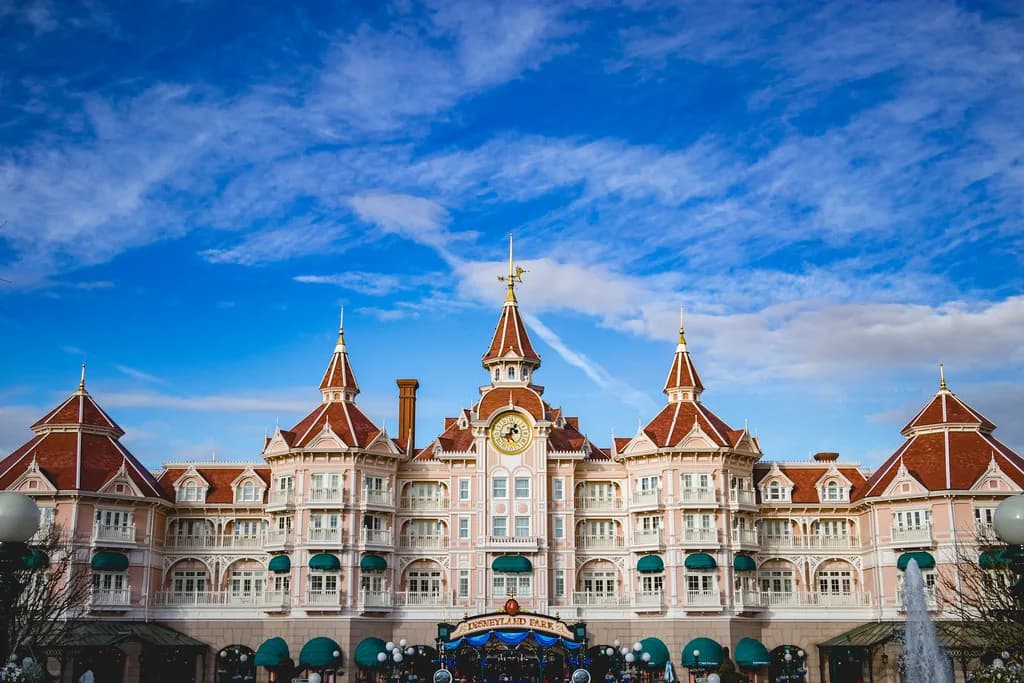
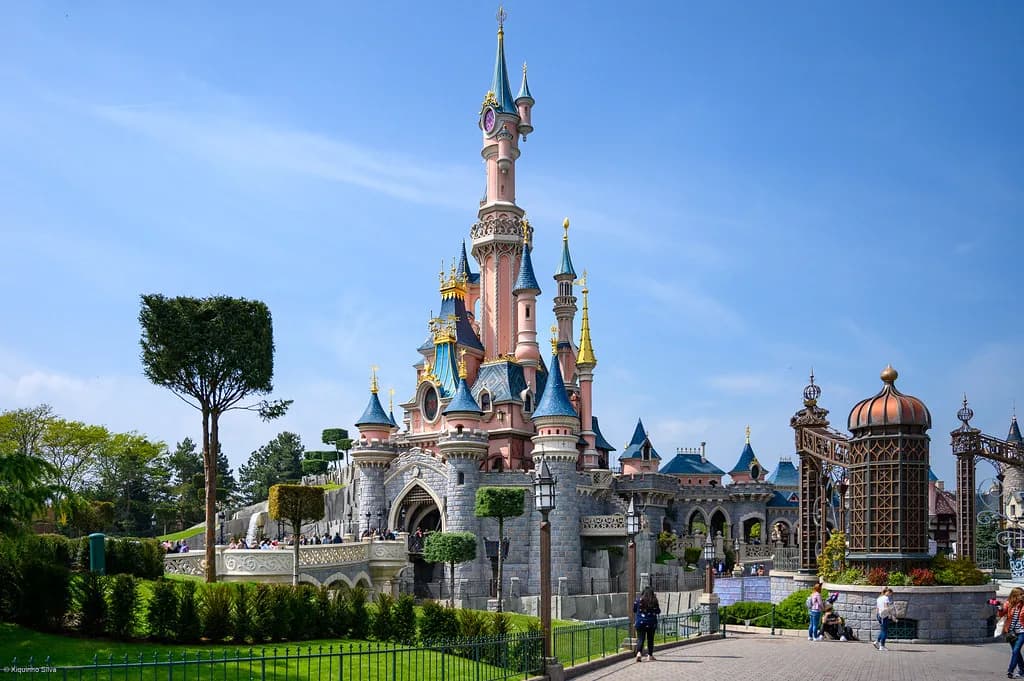
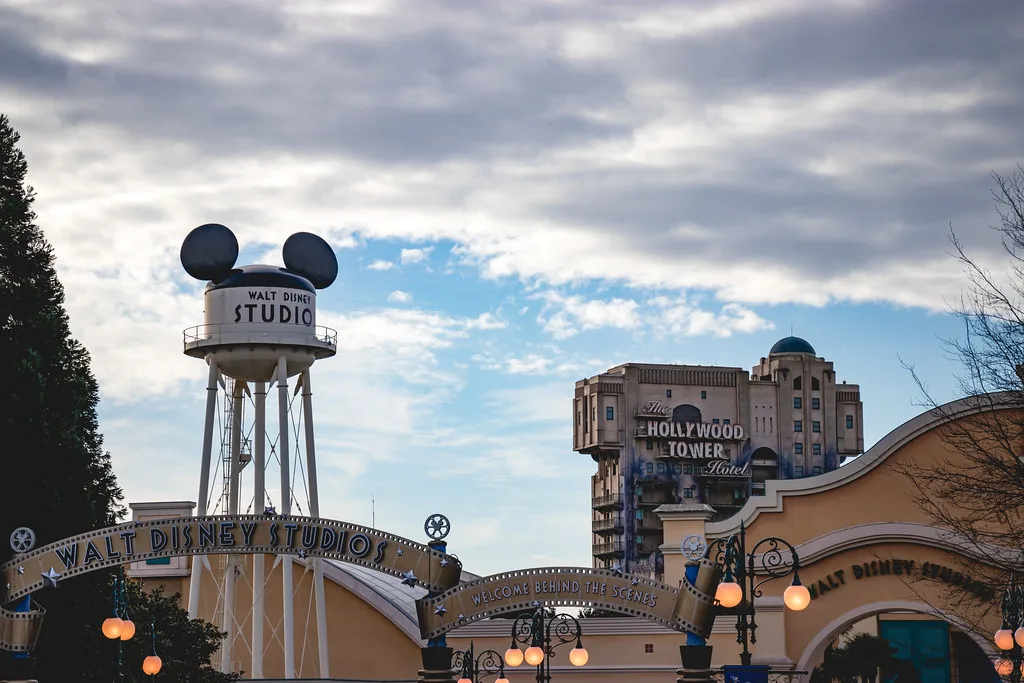
Disneyland Paris is a resort rather than a single gate. Disneyland Park is the castle park, built around lands that fan out from the hub and suit families with younger children especially well. Walt Disney Studios Park is the second gate, focused on film and television theming, indoor shows and a stronger line-up of thrill rides.
Between them the two parks hold more than fifty attractions and activities, and the official attractions list lets you filter by categories such as big thrills, family adventure, fun for little ones and attractions that may frighten younger guests. That filtering is the quickest way to see whether your group's must-dos cluster in one park or span both.
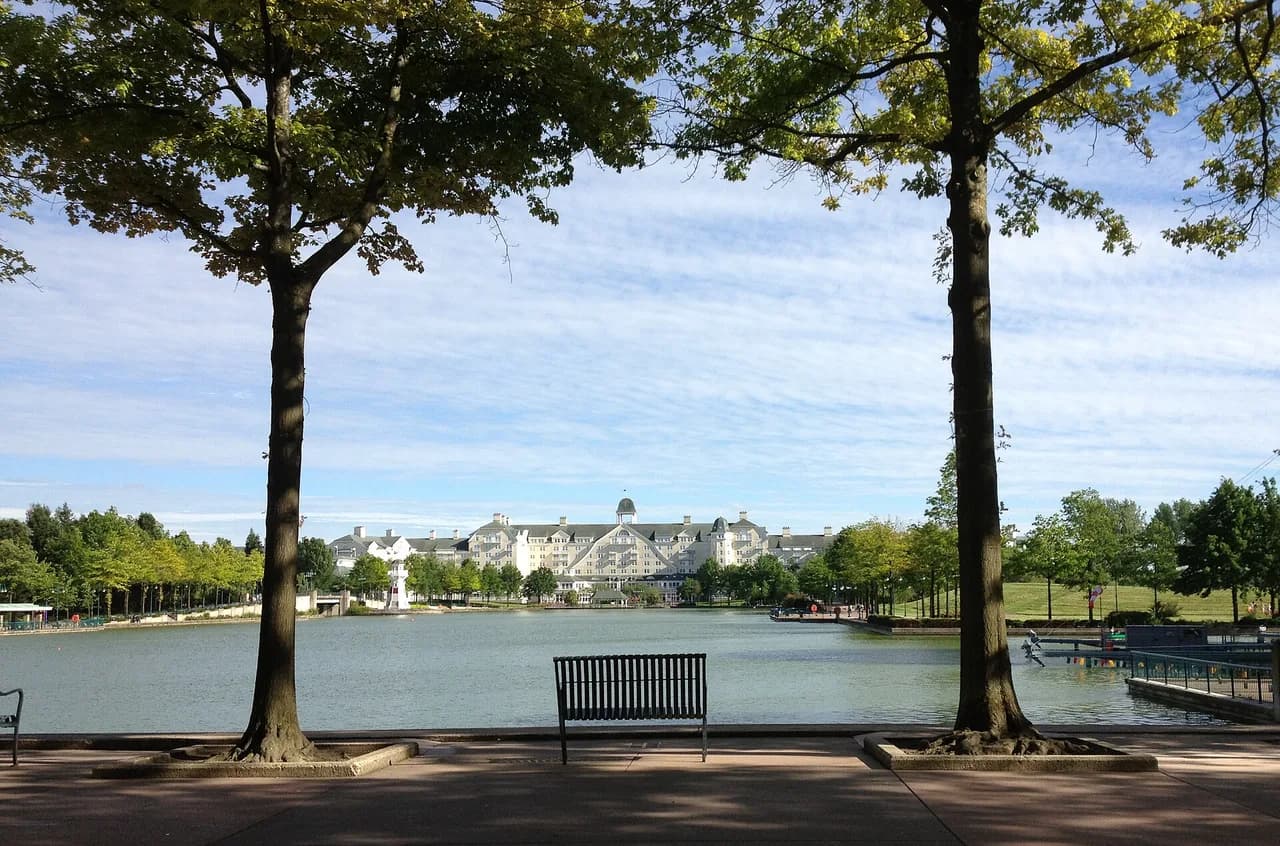
Disney Village sits between the park entrances and the hotels, handling dining, shopping and evening entertainment once the parks close. Staying there or in one of the Disney hotels keeps the whole resort walkable, which matters most on a short break where you want to maximise time in the gates.
How the two parks differ and which suits your group
Choose Disneyland Park first if you are travelling with young children or want the classic Disney day of castle, dark rides and parades. It is the park most visitors picture, and a first-time family can easily fill a full day without crossing to the second gate.
Choose Walt Disney Studios Park first if your group is teenager-heavy or thrill-led, or if you want more indoor shows and covered queues that hold up when the weather turns. It rewards a half-day to full day depending on how many shows you want to sit through.
With two or more days, a two-park ticket spreads the load: rope-drop the castle park on day one, take the studios on day two and return to whichever park you preferred on a third. One-day visitors with mixed ages usually get more value concentrating on Disneyland Park and treating the studios as a bonus if time allows.
Rides for younger children in Disneyland Park
The castle park is where young children get the most ride time. The official attractions list flags attractions as fun for little ones and separately marks those that may frighten younger guests, so you can build a shortlist before you arrive rather than reading signage at each entrance.
Height requirements apply to many rides across both parks, and they are set per attraction rather than by land. Measure children before you travel and check each ride's own page, because a child who just clears one height may still be held back from the headline coaster in the same area.
Plan the morning around the rides your youngest can join and save the bigger coasters for a parent swap later in the day. Character meets and indoor shows give younger children a rest point in the middle of the day, when queues for popular rides tend to be at their longest.
Thrill rides and big-drop attractions for teens
Teenagers and thrill-seekers should start with the big thrills filter on the official attractions list, which pulls together the coasters and drop rides across both parks in one view. Sorting by park then tells you whether your group's priorities sit in the castle park, the studios or both.
Some of the strongest thrill line-up sits in Walt Disney Studios Park, which is why thrill-led groups often give it equal billing with the castle park. The trade-off is that the studios carry fewer gentle rides for non-riding members of the group, so mixed parties may prefer to split the day between parks.
Ride order matters more than raw ride count. Hit the most popular coaster first thing after opening, work through the rest of the thrill list before lunch and use the afternoon for repeats and shows, when standby queues for headline rides usually peak.
Walt Disney Studios Park: shows, studios and thrills
The second gate is built around film and television theming, with a mix of live shows, indoor experiences and high-thrill rides. In poor weather it is the stronger of the two parks on paper, because more of its content happens under cover and its queues are less exposed.
Treat the studios as a show-led park as well as a ride park: check the day's entertainment listing on the official calendar before you set your route, because show schedules are set per date and shift with the season.
Groups who only want thrills can cover the studios efficiently in a single focused block, while groups with younger children often use it as a half-day add-on after a castle-park morning. Either way, it is worth a two-park ticket if your group splits across ages.
Minimum heights and rider swap for mixed-age families
Every ride with a height restriction states it at the entrance and on the individual attraction page, so build a per-ride height list before you travel rather than discovering limits at the gate. Children who fall short can still ride anything without a restriction, which keeps the whole group moving.
Rider swap, sometimes called child swap, lets one adult ride while the other waits with a child too small or unwilling to join, then switch without queueing twice. It is the single most useful planning tool for families with a wide age spread, and it lets a thrill-seeking parent and a toddler parent both get their day.
Bring the group's heights in writing and check each attraction page the week you travel, since restrictions and refurbishment closures can change between booking and arrival.
Ticket types: one-park, two-park and multi-day
Tickets come in two broad shapes: one-park tickets for a single gate and two-park tickets that let you move between Disneyland Park and Walt Disney Studios Park on the same day. Multi-day tickets extend that flexibility across consecutive or selected days, which changes the maths on a two- or three-day break.
The choice comes down to trip length. One day means one park, and for most first-timers that is Disneyland Park. Two days makes a two-park ticket worthwhile because you can split the days and revisit the highlights on a third morning if you have one.
Buy direct from Disneyland Paris rather than a reseller unless a partner offers a clear advantage, because changes, date moves and entry problems are simplest to resolve with the seller who issued the ticket.
Dated versus flexible tickets and how date pricing works
Disneyland Paris prices tickets by date, so the same ticket can cost more on a peak school-holiday day than on a quiet midweek date. Dated tickets lock in a specific day, while flexible options cost more but let you shift your visit if plans move. The official tickets page sets the price for the date you are considering.
That date-based structure means choosing your day is a pricing decision as well as a crowd decision. If your dates are fixed, compare the same day across the week before booking; if they are flexible, letting the price guide you toward midweek dates often also lands you in a quieter park.
Recheck the price on the official site at the moment you book rather than relying on a figure you saw weeks earlier, because seasonal pricing moves with the calendar.
Queue-jump and fast-track products and how they operate
Queue-jump products at Disneyland Paris work as paid access to a shorter line on selected attractions, sold separately from park admission and priced by date and by ride. Availability varies by day and by attraction, so the product that suits a thrill-led group differs from the one that suits a family with young children.
Decide whether to buy based on your ride priorities, not on the size of the park. A group targeting a handful of headline rides can often reach them at opening and skip the paid queue, while a one-day visit with a fixed must-do list gets more from the paid option.
Add-ons are date-specific and tied to the park you are in that day, so buy for the park and day you have actually booked — one purchase does not cover both gates.
Disney hotels on site and what they include
Staying in a Disney hotel keeps you inside the resort, which means walking to the gates rather than commuting, and it usually brings extra time in the parks around opening, though the exact benefit and its conditions come with the booking. Disney Hotel Cheyenne, Hotel Santa Fe and Sequoia Lodge are the mid-range options, each with its own theme and its own restaurant set-up.
At the top of the range, the Disneyland Hotel Paris sits at the entrance to Disneyland Park, the shortest walk on the resort. The Davy Crockett Ranch takes a different approach, putting guests in cabins away from the main village, which suits families with a car who want space over doorstep convenience.
Compare room-and-ticket packages against buying separately, because the bundled price and the inclusions differ by hotel and by date. A package that includes park days can work out simpler for a first visit, while a room-only rate can suit repeat visitors who already have tickets.
Partner and nearby hotels as alternatives
Partner hotels and the wider cluster of hotels around Marne-la-Vallée–Chessy offer a lower-cost base than the Disney-owned properties, often with a shuttle to the resort. The trade-off is the transfer: you gain on room rate but lose the walk-in convenience and some of the in-park time that comes with staying on site.
Book a nearby hotel when you are visiting for one day, travelling on a tight budget or arriving by car and want easy parking; book on site when the short walk and the resort atmosphere are part of the trip. Families with early-rising children often get more from the on-site option than the saving justifies.
Opening season and using the official park calendar
Disneyland Paris runs year-round, but opening hours, show times and which attractions operate change by date and by season. The official park calendar lets you pick a day and see the hours for that date alongside the attractions, characters and entertainment listed as available.
Refurbishments are normal at a park of this age, and the attractions list marks what is open and what is closed. Check it in the week before you travel rather than months ahead, because the picture changes as maintenance schedules move.
Hours also shape your rope-drop plan. On a short day, go straight to your top ride at opening and save the shows for the afternoon; on a longer day, use the middle hours for indoor attractions and return to headline rides late.
Quieter versus busier days and school-holiday patterns
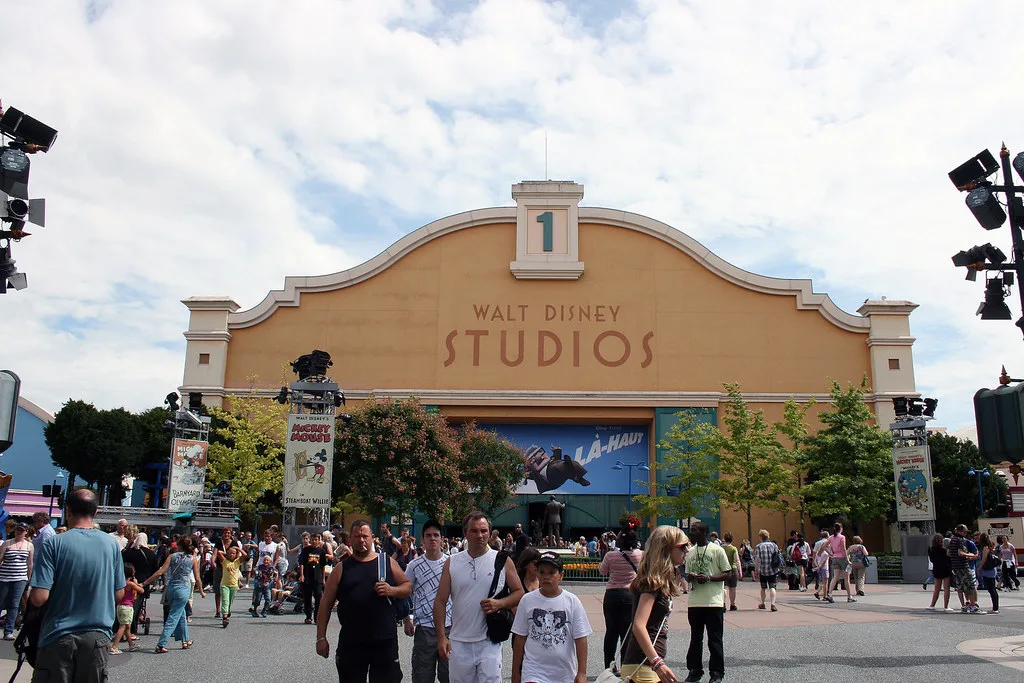
As a rule, midweek term-time days are quieter than weekends and French school holidays, and the quieter dates also tend to carry lower dated ticket prices. Avoid French holiday windows and UK half-terms if you have flexibility, since both bring large domestic and cross-Channel crowds.
Halloween and Christmas periods draw heavy demand, and the parks run themed events and decorations around them. The official calendar is the place to see what is scheduled on your dates, including any separately ticketed evening events that affect park closing times.
If your dates are fixed to a busy period, plan around the crowds rather than fighting them: arrive before opening, ride the headline attractions first and accept that the middle of the day will be the slowest stretch.
Getting there: train, RER, coach and car from Paris and the airports
The resort has its own station, Marne-la-Vallée–Chessy, served by the RER A line from central Paris and by TGV services, including direct trains from the UK via Lille or Paris. Arriving by rail drops you at the park gates with no parking or transfer to arrange.
From central Paris, the RER A run is the straightforward choice and takes roughly three-quarters of an hour from the city centre. From Charles de Gaulle and Orly airports, the usual approach is a train or shuttle into Paris and then the RER out to the resort, or a direct coach or car transfer.
Driving works well if you are coming from the UK via the Channel Tunnel or from elsewhere in France, with motorway access to the resort and parking at the parks and hotels. Coach operators also run direct services from London and other UK cities, which suits groups who want a single booking covering the journey.
Getting around the resort, parking and picnic rules
The two parks, Disney Village and the Disney hotels are all within walking distance of each other, and shuttle buses link the further hotels to the gates. Once you are on site you do not need a car, which is the strongest argument for arriving by train and staying on property.
Self-parking is available at the resort for a fee that varies by ticket type and length of stay, and Disneyland Paris publishes the current rate with the booking. Picnic rules and what you may bring into the parks are set out in the theme park rules, so read those before you plan a packed lunch.
Accessibility, baby care and guest services
Disneyland Paris runs an accessibility scheme with priority access for guests with disabilities and long-term conditions, applied for in advance and assessed against documentation. The Disneyland Paris accessibility guide sets out who qualifies, what evidence is needed and how the pass works at each attraction.
Baby care facilities, pushchair hire and rider swap are all handled at guest services, and the park rules cover what is and is not allowed on rides with infants. Ask at the entrance on arrival so the first hour is not lost working out where to go.
Seasonal events and Halloween and Christmas periods
Halloween and Christmas are the two headline seasons at Disneyland Paris, with themed decorations, characters and entertainment across both parks, and separately ticketed evening events on selected dates. The official calendar shows which dates carry them so you can match a visit to the season you want.
Seasonal periods are also the busiest and priciest dates of the year on the dated pricing scale. If the atmosphere is the point of the trip, book early for the date you want; if you mainly want shorter queues, visit outside the event windows and accept a park without the decorations.
Plan Your Visit
Start with the date, because it drives ticket price, park hours, which attractions are running and how busy the day will be. Pick a midweek term-time day if you can, then decide between one park and two based on how many days you have and how far your group's ages spread.
Book your hotel and transport next, choosing on-site if the walk to the gates matters and a partner hotel if budget does, then set your ride order around opening time with the height list for your group in hand. For the full resort picture, the Disneyland Paris guide covers both parks, the hotels and the surrounding area in more depth, and if you are weighing a second European park trip, our Parc Astérix guide shows how a one-park day near Paris compares.
Explore more Disneyland Paris guides
Frequently Asked Questions
Which park is better for me, Disneyland Park or Walt Disney Studios Park?
Disneyland Park suits first-timers and families with younger children, because the castle-park layout concentrates the gentle dark rides and family attractions in one place. Walt Disney Studios Park suits teenagers and thrill-led groups with its studio theming, indoor shows and stronger thrill line-up. With two days, buy a two-park ticket and do both.
How many days do you need at Disneyland Paris?
Two days covers both parks comfortably. Three days lets you revisit highlights and absorb a busy period without rushing. One day is enough for a first visit focused on Disneyland Park, but leaves no room for the studios.
Do you need a two-park ticket at Disneyland Paris?
Two-park tickets let you move between Disneyland Park and Walt Disney Studios Park on the same day, which pays off on trips of two days or more. For a single day with young children, a one-park ticket for Disneyland Park is usually the better use of time and money.
What are the minimum height requirements at Disneyland Paris?
Height restrictions vary by attraction and are stated at each ride entrance and on its official page. Check the attractions list before you travel and measure children in advance so you know which big rides the whole group can join.
How do you get to Disneyland Paris from central Paris?
Take the RER A line to Marne-la-Vallée–Chessy, which arrives at the resort station a short walk from the park gates. The journey from central Paris takes roughly three-quarters of an hour. TGV services also call at the station, including connections from the UK.
When is the quietest time to visit Disneyland Paris?
Midweek term-time days are generally quieter than weekends and French school holidays, and the quieter dates also tend to carry lower dated ticket prices. Avoid UK half-terms and French holiday windows if your dates are flexible.
Are there Disney hotels on site at Disneyland Paris?
Yes. The on-site range includes the Disneyland Hotel Paris at the entrance to Disneyland Park, mid-range options such as Disney Hotel Cheyenne, Hotel Santa Fe and Sequoia Lodge, and the cabin-based Davy Crockett Ranch. Each has its own theme, restaurants and distance from the gates.
Does Disneyland Paris run Halloween and Christmas events?
Yes. Halloween and Christmas are the two headline seasons, with themed decorations, characters and entertainment across both parks, plus separately ticketed evening events on selected dates. The official calendar shows which dates carry them.
Sources
Notes for your next park day
Optional updates to our park guides.
You might also like
Continue reading
More guides you'll find useful