Disneyland Paris Accessibility: Passes & Wheelchair Guide
Plan an accessible Disneyland Paris trip with the Priority Pass, Easy Access Card, carer discounts, accessible parking and resort shuttles.
On this page
Disneyland Paris gives disabled visitors two distinct routes through its ride queues, and choosing the right one before you travel is the single biggest decision in planning an accessible visit. The Priority Pass covers registered disabilities and gives priority access at attractions, shows and character meets. The Easy Access Card covers qualifying long-term medical conditions and works on a return-time basis.
Around those two schemes sit the practical details: documents that are accepted, carer tickets that must be booked alongside the disabled guest's ticket, accessible parking in Guest Parking and free accessible shuttles from the Disney Hotels. Sort the pass and paperwork first, then build park days around it.
Who this guide suits
This guide is for families, carers and visitors with reduced mobility who want a park day that works rather than a day spent negotiating queues. It covers the two access schemes, the paperwork each one expects, discounted carer tickets, accessible parking and transport between the hotels and the parks.
Which pass you hold shapes the day. Priority Pass holders join priority queues at attractions and shows, while Easy Access users book one attraction at a time and return later, which suits fatigue and chronic illness better than standing in a long line. Deciding between them early tells you which documents to gather before booking tickets.
How the two access schemes differ
The Priority Pass is aimed at guests with recognised disabilities and gives priority access to attractions, character meets and selected shows and parades, with up to four accompanying guests. The Easy Access Card is aimed at long-term medical conditions and replaces standard queueing with a return time: you book one attraction at a time, then come back at the allotted moment.
Priority access is not instant boarding. On busy days even the priority line can involve a short wait, so treat the pass as a way to cut standing time rather than a guarantee of walking straight on. That distinction matters most during school holidays and event weekends, when the parks carry their heaviest crowds.
Priority Pass eligibility and what it gives you
Registered disabilities generally fall under the Priority Pass, which covers access to attractions, character encounters and designated viewing for shows and parades. Up to four guests can accompany the pass holder, which makes it workable for a family group without splitting up. Ticket discounts for the disabled guest and one companion may also be available through the scheme.
The pass holder's documentation is checked against Disneyland Paris's own qualifying list, so eligibility should be judged from Disneyland Paris's accessibility pages rather than a third-party summary. Bring original documents, not copies, for the first park day.
Accepted documents for the Priority Pass
UK proof of disability is widely accepted. Personal Independence Payment, Disability Living Allowance, Attendance Allowance, a Blue Badge, an Access Card and a Certificate of Visual Impairment all count, as does Armed Forces Compensation Scheme documentation. A GP letter on its own is not accepted, which is the most common reason applications stall.
If your proof is a National Disability Card, the card must be within its expiry date and presented at the entrance together with photo ID such as a passport. That same card underpins the carer discount described further down, so check its expiry before you book anything.
Easy Access Card conditions and the return-time system
The Easy Access Card suits guests whose difficulty is stamina or pain rather than a registered disability. Typical qualifying conditions are long-term and include Crohn's disease, diabetes, multiple sclerosis, chronic heart and respiratory conditions, severe epilepsy and cancer. You hold one attraction booking at a time and return at your given time instead of queueing, and up to four accompanying guests can join.
Disneyland Paris maintains the official list of qualifying conditions and the documents it expects, so check your condition against Disneyland Paris's own page before gathering paperwork. The return-time approach also works well for carers, who can use the wait to sit down or manage medication.
Documents the Easy Access Card needs
Easy Access applications rest on a medical certificate in English or French dated within the last three months, which is a stricter requirement than the Priority Pass paperwork. Request that certificate from your clinician well ahead of your travel dates so it is still valid on the day you arrive. The certificate accompanies the application; original documentation should come with you to the parks.
Applying before you travel or on arrival
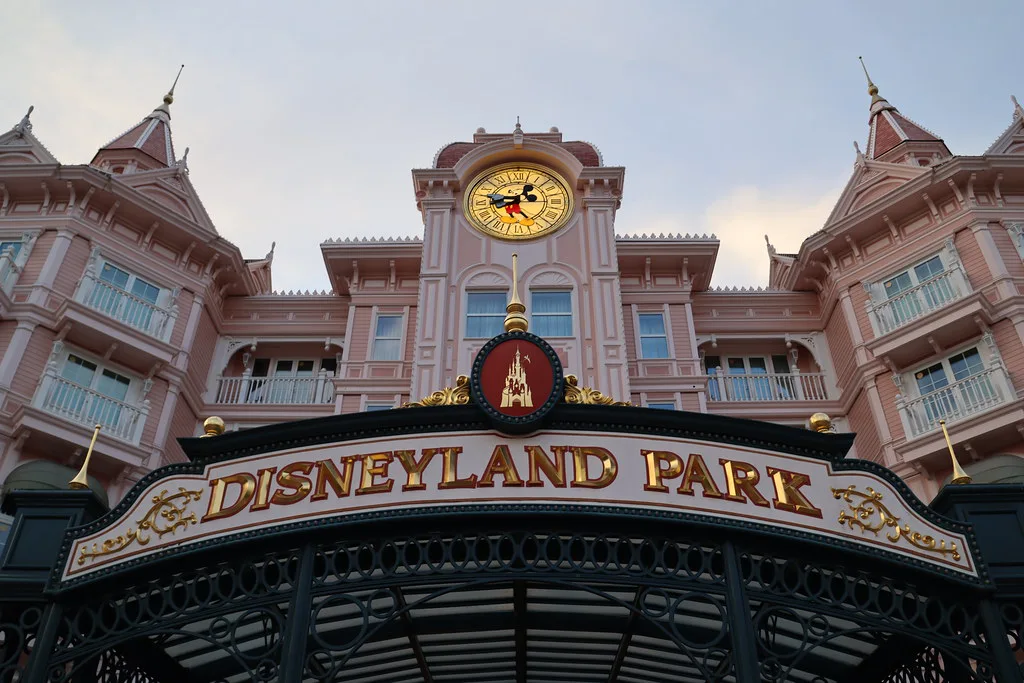
Apply online before your trip wherever you can, because doing it at the parks eats into your first morning. Priority Card applications can be submitted online within a month before your visit, or handled at the entrance on arrival if you have the supporting documents with you.
If you apply on the day, head to Town Hall in Disneyland Park or Studio Services in the second gate as your first stop, originals in hand. Either route ends with the same pass in your hand; the online one just saves park time.
Carer and disabled guest ticket discounts
Carers can get a discount on their Disneyland Paris park ticket or annual pass when they accompany the disabled person they care for, provided the disabled guest holds a National Disability Card or equivalent proof and tickets are booked together online. Carers receive 25% off under the scheme. Book the two together rather than separately, or the discount will not apply.
Prices move with dates and ticket type, so compare current Disneyland Paris tickets before fixing your travel days, and carry the carer's National Disability Card plus photo ID to the turnstiles. The card must be valid on the day of entry.
Pairing the ticket discount with the Priority Card is the practical sequence: book both tickets on one booking, then request the card online before you travel. That way the discount and the queue access are settled before you reach the gate.
Priority access in practice
Beyond rides, priority access covers parades, character meets and restaurant and shop checkouts, which is often where accessible days lose the most time. Use it for the table-service lunch slot as well as the headline attractions. On peak days the priority queue can still move slowly, so pair it with a sensible touring order rather than relying on it alone.
Wheelchair access and equipment hire
Wheelchair and stroller hire is handled at the resort rather than booked as a park ticket, and availability on the day is not guaranteed during busy periods. Each attraction has its own boarding arrangements, with some requiring a transfer out of the chair. Check the official ride accessibility information for the specific rides your group plans to do, and build in transfer time for those.
Accessible parking in Guest Parking
Disneyland Paris reserves a limited number of spaces for guests with reduced mobility in Guest Parking, and a European parking card must be shown at the toll to use them. Spaces are first come, first served, so arrive early on peak dates.
If you are staying at a Disney Hotel and have limited mobility, the resort suggests leaving the car in the hotel car park and using the free accessible Resort shuttle to move between the hotel and the parks. That removes the daily parking queue entirely.
Hotel location matters for accessible stays. The walk from the Disneyland Hotel to the park gates is the shortest on site, while the Hotel Cheyenne Disneyland Paris and Hotel Santa Fe Disneyland Paris sit further out and lean on the shuttle, so factor the transfer into morning plans.
Resort shuttles and moving between hotels and parks
The free Resort shuttle links the Disney Hotels with the parks and is accessible, making it the default way to travel from the further-out hotels. Allow extra time at park opening, when shuttles fill quickly. For a full breakdown of which hotel suits which group, see the Disneyland Paris hotels comparison.
Pregnancy and temporary conditions
Pregnant guests may be offered alternative access arrangements at cast members' discretion, sometimes with a return-time system or a coloured identification wristband. Support varies with circumstances, and many thrill rides remain unsuitable during pregnancy. Ask at Town Hall or Studio Services on arrival to confirm current arrangements.
Autism, sensory needs and quieter days
Guests with autism, ADHD and sensory sensitivities can use the access schemes where eligibility applies, but the bigger gains come from timing. Midweek dates outside French and UK school holidays are calmer, and starting at rope drop lets you clear the busiest lands before crowds build. Plan a midday break away from the parade route if noise is a problem.
Accessible toilets and first aid
Accessible toilets and first aid points are marked on the park maps, and the first aid teams can help with medication storage and quiet recovery time. Note their locations on your first walk down Main Street so you know where to head if something goes wrong later in the day. Guest services can point you to the nearest facility for any given land.
Getting help on the day
Town Hall in Disneyland Park and Studio Services in the other gate are the two help desks for pass questions, lost documents and access arrangements. The official Disneyland Paris accessibility pages carry the current qualifying list, application route and ride-by-ride access notes, and are the page to consult before you travel.
Plan Your Accessible Disneyland Paris Trip
Sort the pass first: Priority Pass for registered disabilities, Easy Access Card for long-term conditions, each with its own documents. Then book disabled guest and carer tickets on a single booking to keep the discount, and decide between Guest Parking with a European parking card or the free accessible shuttle from your hotel. Anyone weighing a different short break against the same pass-and-paperwork decision can read our Puy du Fou accessibility guide.
With the paperwork settled, the day itself gets simpler: rope drop the busiest land, use priority access for parades and table-service meals, and keep Town Hall as your fallback for anything unexpected.
Explore more Disneyland Paris guides
Frequently Asked Questions
What is the difference between the Priority Pass and the Easy Access Card at Disneyland Paris?
The Priority Pass covers recognised disabilities and gives priority access to attractions, character meets and selected shows and parades, with up to four accompanying guests. The Easy Access Card covers qualifying long-term medical conditions and uses a return-time system, where you book one attraction at a time and come back later instead of queueing.
Which documents are accepted for a Disneyland Paris Priority Pass?
UK proofs such as Personal Independence Payment, Disability Living Allowance, Attendance Allowance, a Blue Badge, an Access Card and a Certificate of Visual Impairment are accepted, along with Armed Forces Compensation Scheme documentation. A GP letter on its own is not accepted, and the pass holder should bring original documents to the parks.
Do carers get a discount at Disneyland Paris?
Carers can get a discount on their park ticket or annual pass when they accompany the disabled person they care for, as long as both tickets are on the same booking and the disabled guest holds a National Disability Card or equivalent proof. The disabled guest receives the same concession, so book the two tickets together rather than separately.
Can I apply for the Disneyland Paris disability pass before I travel?
Yes. Priority Card applications can be submitted online within a month before your visit, and applying ahead saves time on your first park morning. If you would rather apply in person, Town Hall in Disneyland Park and Studio Services handle applications on arrival, provided you bring the supporting original documents.
How many guests can join a Priority Pass holder?
Up to four guests can accompany the pass holder under the Priority Pass, and the Easy Access Card generally allows the same number. That keeps a family group together without splitting up, though priority access still means a short wait during busy periods rather than immediate boarding.
Are there reserved parking spaces for guests with disabilities at Disneyland Paris?
Yes. A limited number of spaces in Guest Parking are reserved for guests with reduced mobility, and a European parking card must be presented at the toll to park in that area. Guests staying at a Disney Hotel with limited mobility can instead leave the car in the hotel car park and use the free accessible Resort shuttle.
What support is available for pregnant guests at Disneyland Paris?
Pregnant guests may be offered alternative access arrangements at cast members' discretion, sometimes with a return-time system or a coloured identification wristband. Support varies with circumstances, and many thrill rides remain unsuitable during pregnancy, so ask at Town Hall or Studio Services when you arrive.
Sources
Notes for your next park day
Optional updates to our park guides.
You might also like


Continue reading
More guides you'll find useful