Walibi Holland Height Restrictions: Every Ride's Minimum
Walibi Holland height restrictions grouped by ride intensity, with guidance for young children, families and thrill-seekers, plus rider swap and travel tips.
On this page
Walibi Holland in Biddinghuizen, Flevoland, builds its reputation on coasters, and that shapes how families plan a day here. Ride access depends on minimum heights and accompanying-adult rules, so the practical question is not which ride is best but which rides your group can actually board together. Sorting the park by height group before you arrive turns a long list of attractions into a workable route.
The thrill side of the park has grown sharper with the arrival of YoY, a single-track dual coaster from RMC Coasters that runs two experiences from one structure: YoY Thrill, which goes upside down six times, and the gentler YoY Chill aimed at families with younger children. That split is a useful model for the whole park, where intense coasters and gentler family rides sit close together. Our Walibi Holland guide covers the wider layout if you want the full picture before planning ride order.
What height restrictions mean at Walibi Holland and why rides are grouped by minimum height
Height limits exist because restraint systems are built for a body size, not an age. A tall nine-year-old may clear a coaster that a small twelve-year-old cannot, and a ride with a lap bar across the hips works differently from one with over-the-shoulder restraints. Grouping the park by minimum height, rather than by land or by ride type, lets you see at a glance which attractions the whole group can share. It is the same approach worth taking with the Efteling height restrictions if the Netherlands is on your itinerary.
At Walibi Holland the limits usually come with a companion rule: below a certain height a child may ride only with an adult beside them, and below a lower threshold the ride is closed to them entirely. The exact figures sit on each ride page on the park's own site, and they are worth reading ride by ride rather than relying on a single park-wide height. Treat the official ride pages as the reference point and plan around the numbers they list for the date of your visit.
The practical consequence is that a mixed-age group usually splits into three brackets: children who can ride almost everything, children who can ride family attractions with an adult, and children who stay with the non-riding adult. Building your day around those three brackets, rather than around a list of headline rides, is what keeps a family day moving.
Rides for the youngest visitors and their accompanying-adult rules
Young children are not limited to a corner of the park. Walibi Holland mixes gentle family attractions among the coasters, so a small child can stay close to older siblings instead of waiting at a distance. The companion rule is the key detail for this age group: where a ride allows accompanied riding, one adult rides beside the child and the rest of the group waits at the exit, which is usually quicker than it sounds.
Plan the youngest visitor's day around a handful of favourites rather than chasing every attraction. Two or three gentle rides in the morning, a sit-down break at lunch and a repeat of whatever the child loved is a more realistic shape than a full circuit. Keep the coaster area for the adults and older children and use the family rides as the meeting point between groups.
Family coasters and rides where children ride with an adult
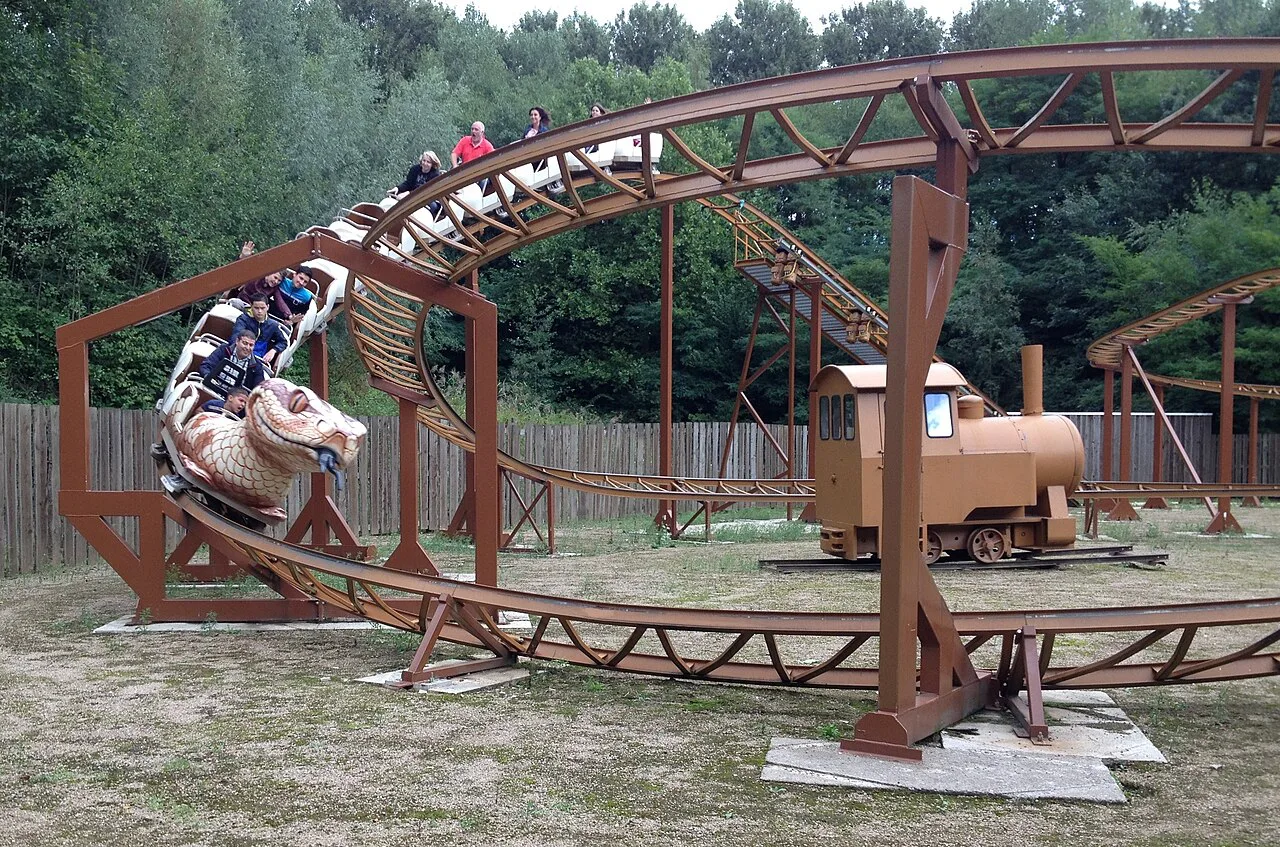
The middle bracket is where most families spend their day. These are the coasters and larger rides that a child can board with an adult beside them, and they are typically the step up from gentle attractions. The companion requirement is not a formality: the adult is part of the restraint setup on some rides, so an older sibling cannot always substitute for a parent.
Speed of Sound is one of the family-scale coasters that works well as a first step up for children who have outgrown the gentler attractions but are not ready for the biggest drops. Riders on the fence about a coaster often do better starting here than on the park's largest thrill machines. If your group wants a fuller picture of what each coaster involves, our run-through of Walibi Holland rides sets out the options.
Queue time matters more in this bracket than in any other, because a child who is unsure about a ride may change their mind at the station. Riding family coasters early, before the park fills, gives you a second chance later in the day if the first attempt ends in a walk-back down the exit. That flexibility is worth more than squeezing in one extra attraction.
Thrill coasters and the tallest height requirements in the park
The tallest height requirements belong to the big coasters, and they are also the rides most likely to have a companion rule at the upper end. Walibi Holland positions itself as the coaster park of the Netherlands, with ten spectacular coasters counted once YoY's two experiences are included, so thrill-seekers have plenty to plan around. Expect to show the same height ticket or wristband at each coaster station.
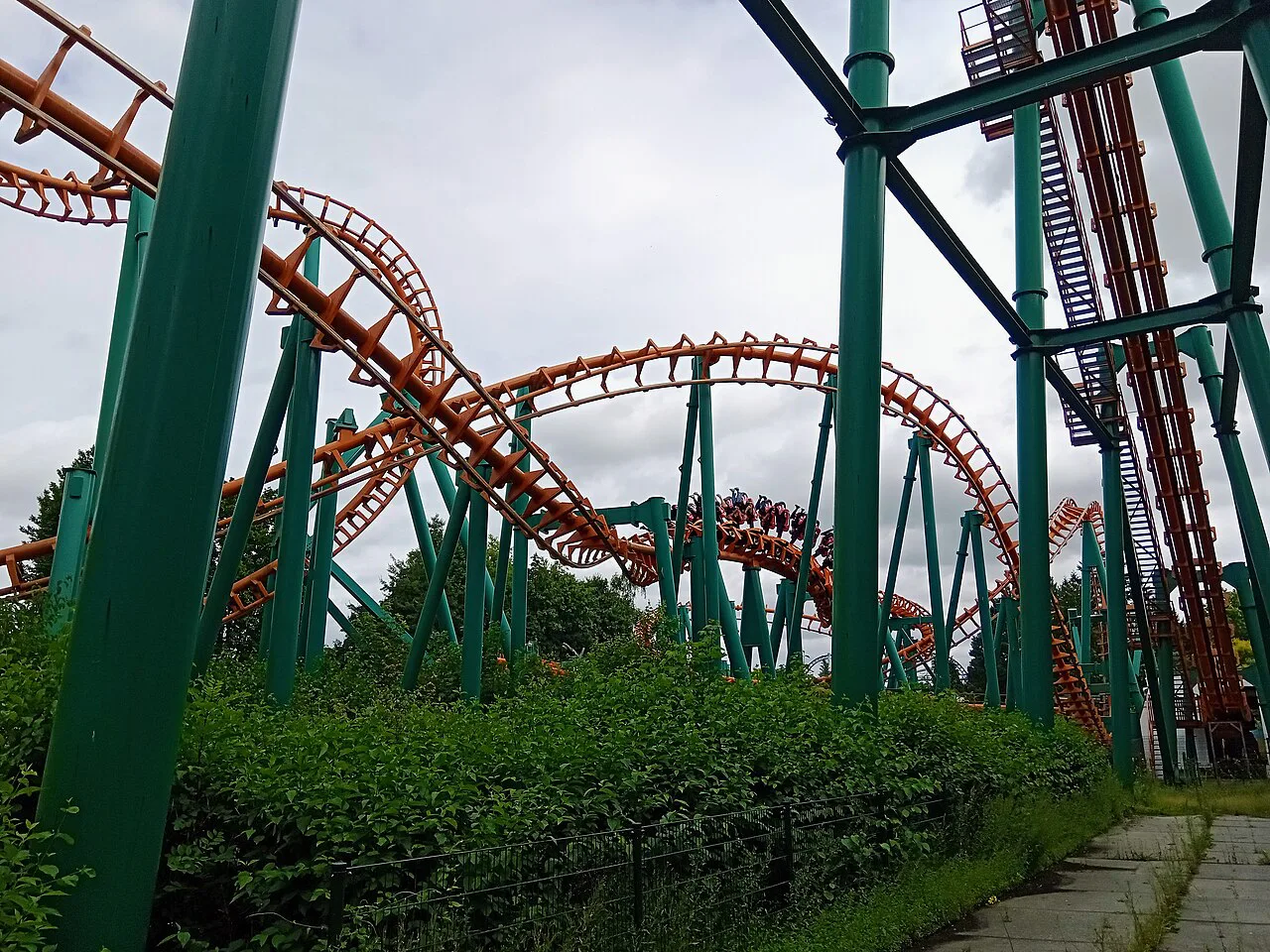
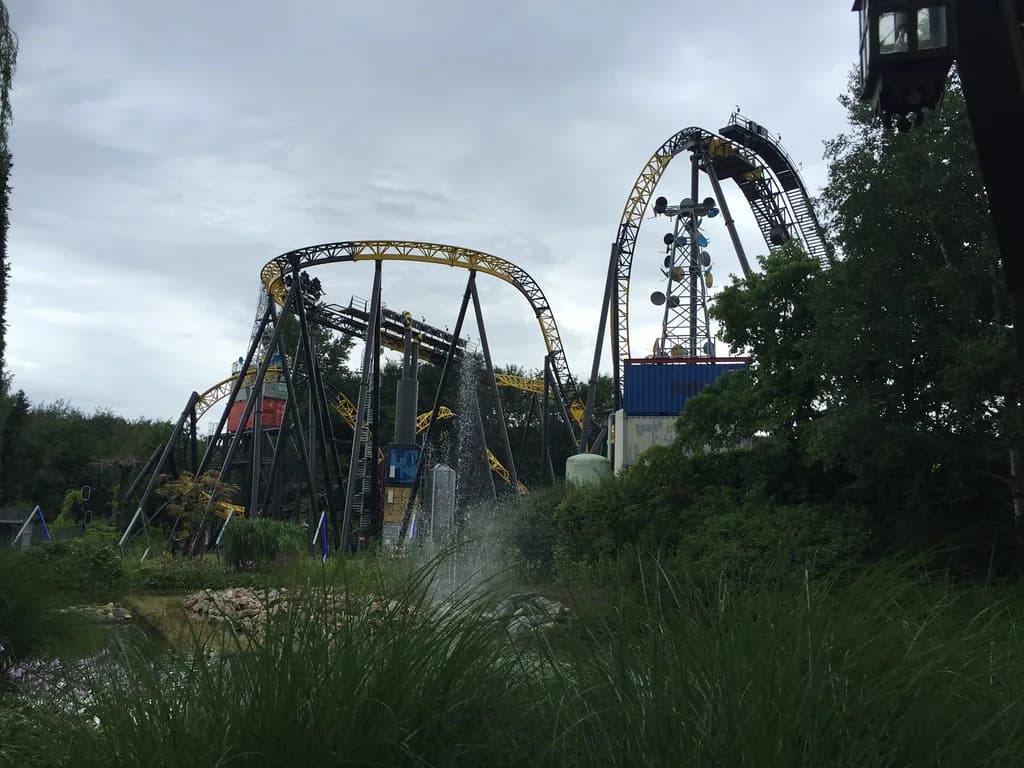
Lost Gravity is the sort of compact, intense coaster that suits teenagers who have cleared the height limits and want something beyond the family rides. It rewards riders who are comfortable with a fast, forceful layout, and it is a good gauge of whether a younger rider is ready for the park's largest machines. The park's thrill lineup runs well beyond this one coaster, so pace a coaster-heavy day instead of trying to tick everything off in one push.
How YoY Thrill and YoY Chill split the same coaster into two experiences
YoY is the park's most distinctive setup for mixed groups. The coaster uses parallel tracks that start at the same time, so two riders can leave together and compare the experience afterwards. YoY Thrill takes the green track through six inversions, while YoY Chill takes the blue track and is designed for a target group that prefers a less intense ride, including younger children. The blue side is the one to choose for a family that wants to ride together without the full thrill package.
Height rules still apply on both sides, so a child who clears YoY Chill may not clear YoY Thrill. The split is useful precisely because it gives a family two options from one station area: the confident riders queue for green, the rest queue for blue, and everyone meets at the exit. The coaster also sits where it improves the flow through the park, which makes it an easy anchor for the middle of the day rather than a detour.
Measuring children before you travel and at the park entrance
Measure each child at home against a wall, shoes on, and write the number down against the rides you are targeting. That single number settles most of the planning: it tells you which bracket each child falls into and whether a companion is needed on a given coaster. Measuring at the park entrance is essential for the official wristband or stamp that ride hosts check, so do it before your first coaster rather than at the station.
Growth spurts are the classic holiday surprise, so re-measure the morning you visit rather than relying on a measurement from months earlier. Children close to a limit are usually measured at the ride itself as well, so a home measurement is a planning tool, not a guarantee. If a child is right at a threshold, plan alternatives so the day does not depend on a single measurement.
Rider swap and baby care when only some of the group can ride
Rider swap lets one adult ride while the other waits with a child who cannot, then swap without joining the back of the queue. Ask the ride host at the entrance how the park runs it at that attraction before you join the line, because the procedure is handled at the station rather than at a central desk. It works best when both adults are ready to ride in turn and the waiting adult has somewhere to stand with the child near the exit.
Baby care facilities make the swapping smoother. A quiet space for feeding and changing, plus pushchair parking near the family rides, lets the waiting adult stay comfortable between turns. If you are travelling with a baby and a coaster-mad older child, plan the coaster block around one adult at a time rather than trying to keep the whole group together on the big rides.
Accessibility and guests who cannot transfer from a wheelchair
Access to rides for guests with disabilities is arranged through the park's own accessibility policy rather than through the general queue. Guests who cannot transfer from a wheelchair need to know before travelling which attractions can accommodate them, since a coaster seat with a deep footwell is not the same as a ride vehicle with a transfer platform. Read the park's accessibility information ahead of your visit and contact the park with specific questions about the rides on your list.
The companion rule overlaps with accessibility here: where a guest needs an assistant to ride, the companion enters with them and does not queue separately. Build extra time into the day for the first ride at each attraction while staff check arrangements. That investment early saves repeated explanations at every station later.
Planning ride order around height groups for mixed-age families
Start at the back of the park and work forward, or begin with the coaster your group most wants to repeat. Rope drop works best for the biggest thrill coasters, because that is where the queue builds first; family rides absorb a crowd more comfortably later in the morning. YoY's position, which ties the Goliath area more closely into the rest of the park, helps here, because a coaster block no longer means a long walk to a remote corner.
A realistic mixed-age day moves in blocks: a coaster block for the tall riders while the others do family attractions nearby, then a shared block where everyone can ride together, then a break. Two shared blocks and two split blocks fit comfortably into a day without rushing. Decide your meeting points by land rather than by ride, so plans survive a closure or a change of heart.
If your group includes children at very different heights, use the park's gentler attractions as the glue. They keep younger children occupied between the coasters and give the adults a place to regroup. Our compilation of Walibi Holland rides is the quickest way to see which attractions sit near each other.
Quieter days and how the opening calendar shapes your plan
Opening hours and operating days vary across the season, so the calendar is the first thing to fix before booking anything else. Walibi Holland publishes its opening calendar on its own site, and that is the page to use for the dates you are considering. Weekdays outside Dutch school holidays are usually the calmer option, with weekends and holiday periods busier.
Weather affects a coaster day more than a family ride day. Wind can close tall rides, and rain changes which attractions are worth queuing for, so have a wet-weather plan that leans on indoor and covered attractions. Our Walibi Holland weather guide covers how to reshuffle a day when the forecast turns.
Getting to Walibi Holland by car, train and bus
Walibi Holland sits in Biddinghuizen in Flevoland, a short drive from the main roads across the polder but not a town you stumble into. Drivers head for the park's own car park and pay on arrival; check the parking charge on the park's site when you book tickets. Arrive before opening if you want to be at the turnstiles for rope drop, since the car park fills steadily through the morning.
Travellers without a car typically take the train to a nearby station and continue by bus, with the final leg timed around park opening. Check the bus timetable against the park's opening hours for your date, because an early close or a late opening changes which services work. Our Walibi Holland tickets page also covers the on-site Walibi Village accommodation option, which removes the daily transfer for families staying overnight.
Where to eat and how food and picnic rules work for families
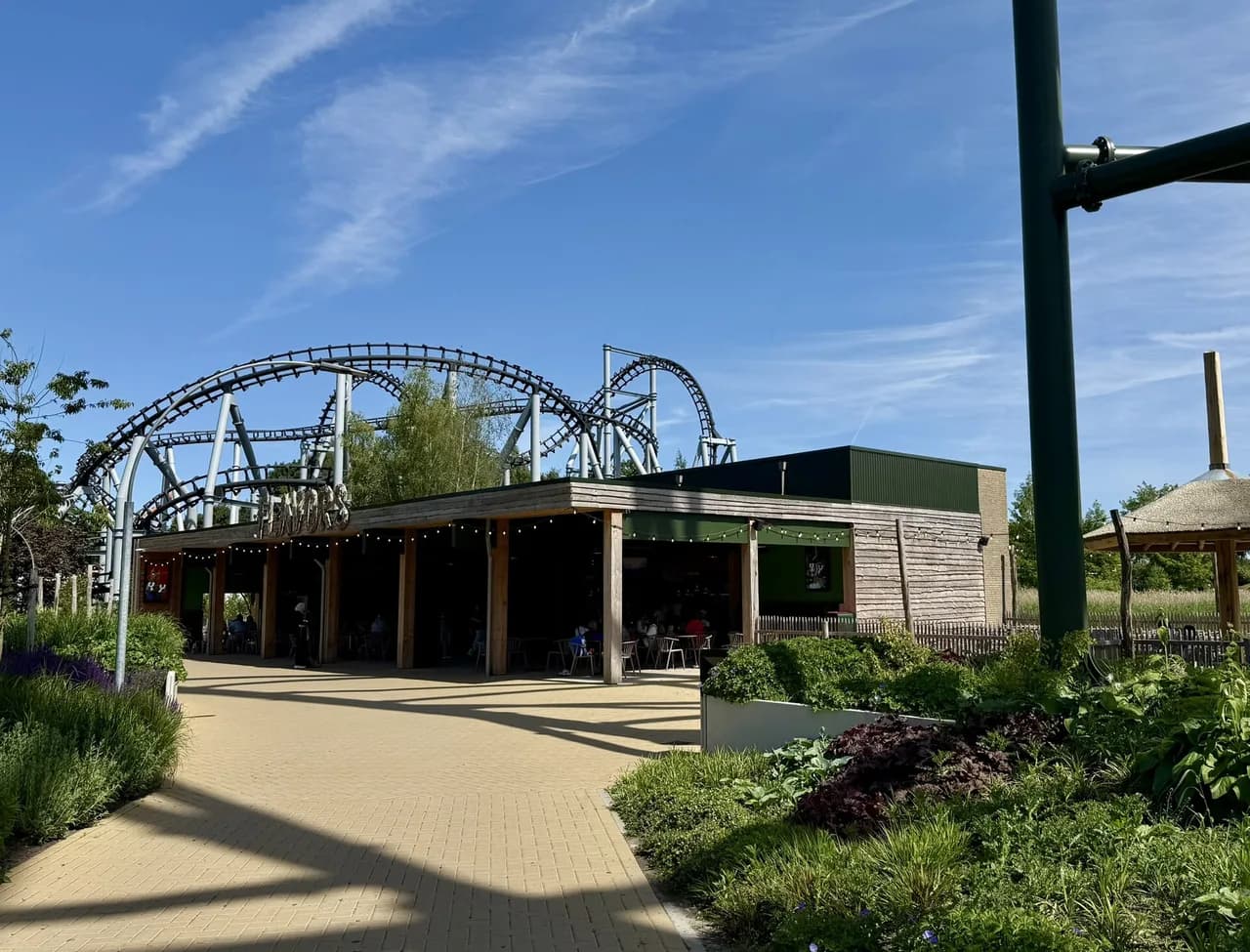
Walibi Holland has food outlets across the park, and the newest sits by the water with a terrace near YoY, which makes it a sensible lunch stop for families splitting between the two tracks. For families with young children, a sit-down meal in the middle of the day resets everyone better than grazing on the move. Our Walibi Holland food guide covers the options if you want to plan meals around ride blocks.
Picnic rules vary by park and by season, so look at what the park allows on the day rather than assuming. If you plan to bring food, keep it simple and check at the entrance what can be carried in. Building a lunch break into the middle of the day also gives the coaster queues time to shorten while you eat.
Plan Your Visit
Height shapes a Walibi Holland day more than any other factor: measure the children at home, measure again at the entrance, and plan in blocks so each rider gets the coasters they can board. Use the YoY split as your model for mixed groups, keep a family block between the coaster blocks, and leave room for a proper lunch break. The official ride pages and opening calendar are the two pages to check before you travel, and your tickets and accommodation can be sorted on the Walibi Holland tickets page.
Explore more Walibi Holland guides
Frequently Asked Questions
What is the minimum height for roller coasters at Walibi Holland?
Each coaster sets its own minimum height and its own rule on riding with an adult, so there is no single park-wide figure. Check the ride pages on the park's official site for the coasters you plan to ride, and measure children at the entrance before your first coaster.
Can a child ride Walibi Holland coasters with an adult if they are under the height limit?
On many rides a child below the full height can ride when accompanied by an adult, and below a lower threshold the ride is closed to them. The exact accompanied heights sit on each ride page, and ride hosts check height at the station.
How does rider swap work at Walibi Holland?
One adult rides while the other waits with a child who cannot board, then they swap without rejoining the back of the queue. Ask the ride host at the entrance of each attraction how it is handled there, since the procedure is arranged at the station.
Which Walibi Holland rides suit young children?
Young children ride the park's gentle family attractions, often with an adult beside them, and many of these sit close to the coasters so the group stays together. Use the ride pages to see which attractions accept accompanied riders before you plan the day.
Is there a height limit for the YoY Chill coaster?
YoY Chill is the gentler blue track of the YoY dual coaster, designed for families and younger children, but height rules still apply. The ride page for YoY lists the current minimum and accompanied heights for both tracks.
How do I get to Walibi Holland without a car?
Take the train to a nearby station and continue by bus, timing the final leg around the park's opening hours for your date. Check the bus timetable against the opening calendar, or stay at Walibi Village to cut out the daily transfer.
Sources
Notes for your next park day
Optional updates to our park guides.
You might also like

Continue reading
More guides you'll find useful