Walibi Holland Weather: Decide Your Best Visit Day
Plan a Walibi Holland day around Dutch weather: how wind and rain affect the coasters, which rides stay open, and how to order your day when showers arrive.
On this page
Walibi Holland sits in the Flevoland polder at Biddinghuizen, a flat, open landscape where wind arrives unobstructed and showers pass through quickly. That shapes a park day more than temperature does: a mild, breezy afternoon can pause the big coasters while a grey, drizzly morning leaves most rides running. Planning around the forecast, rather than hoping for sunshine, is what keeps a visit on track.
What Dutch weather means for a Walibi Holland day
The Netherlands has a temperate maritime climate, so weather at Biddinghuizen changes fast and a forecast made days ahead is only a rough guide. Summer days often sit in the high teens to low twenties Celsius, spring and autumn are cooler and breezier, and winter is cold enough that the park's seasonal calendar matters more than the thermometer. Use a short-range forecast for the day itself and treat any ten-day outlook as a trend rather than a promise.
A local forecast for the region gives a useful read on wind speed, gusts and rain chance, which are the three numbers that actually change a park day. On a typical October day in the region, forecasts have shown moderate winds around 11 knots with gusts near 21 knots and a moderate chance of precipitation, which is exactly the kind of breezy, showery pattern that pauses exposed coasters. The park's official calendar is the place to confirm opening hours before you travel.
How the park is laid out and which areas are most exposed
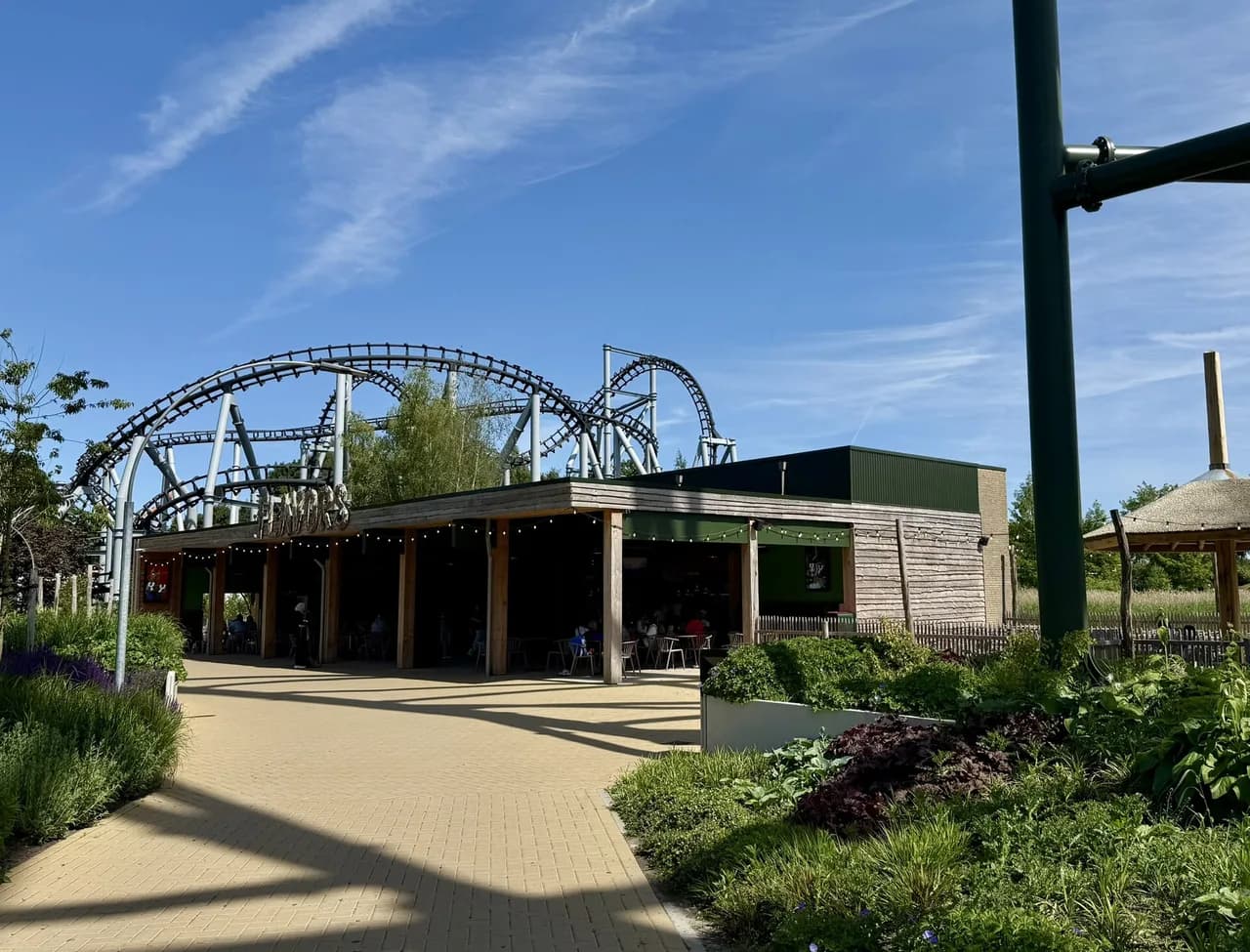
Walibi Holland is compact enough to walk end to end in a short time, which makes it easy to retreat from an exposed area when the weather turns. The main entrance and WAB Plaza give you a covered, sheltered base, while the coaster-heavy zones sit out in the open polder with little natural windbreak. Treat the plaza as your reset point: warm up, dry off, check the app or a forecast, then head back out when a shower passes.
Because the surrounding land is flat, wind reaches the taller rides without much to slow it, and the most exposed structures are the ones most likely to pause. Plan your day so the headline coasters come first when the wind is light, and keep the more sheltered, lower rides for the gusty part of the afternoon. The Walibi Holland guide gives a fuller walk-through of the areas and how they connect.
Rides and coasters most affected by wind
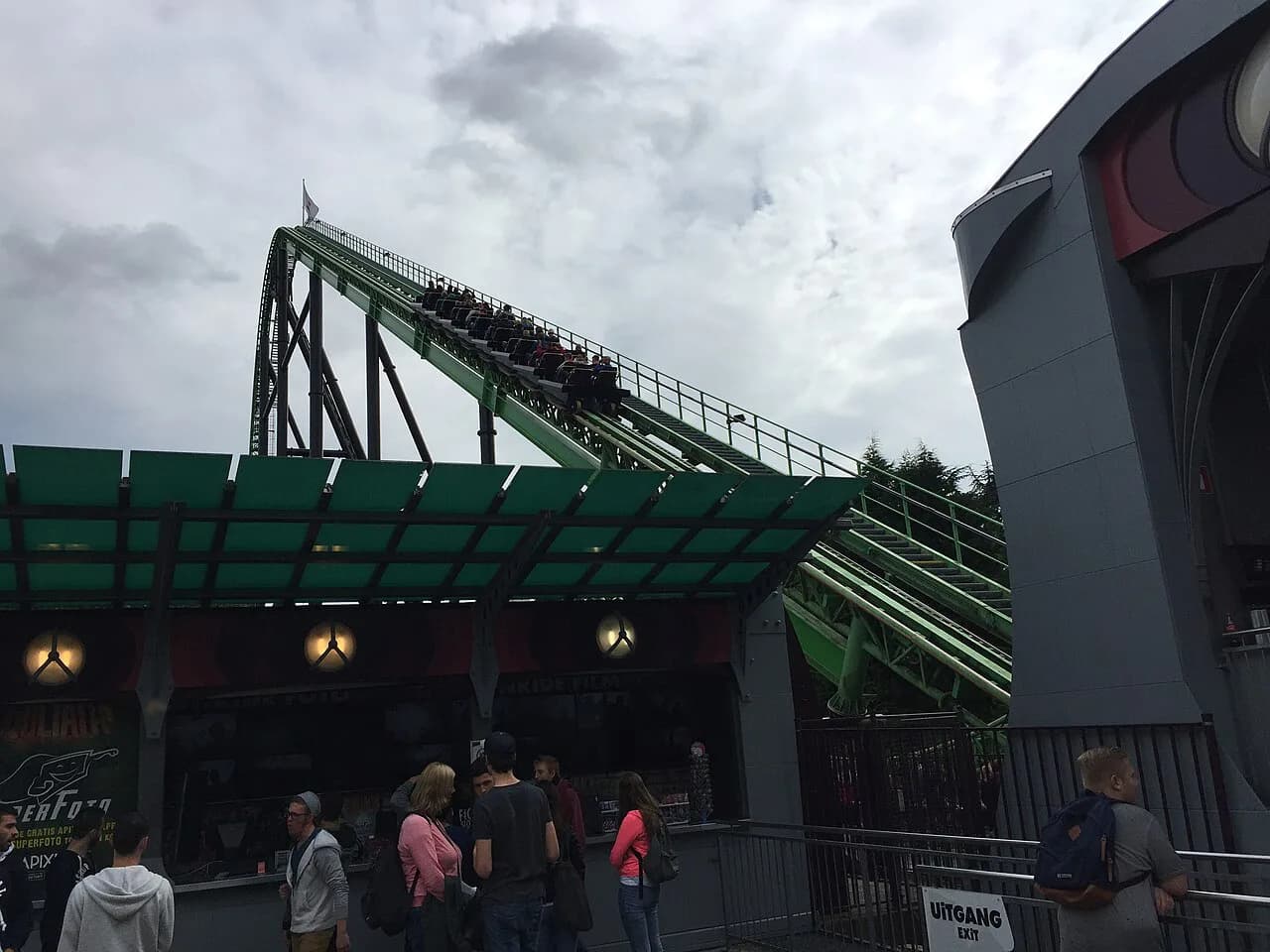
Wind is the weather that actually stops rides. Tall, fast coasters and any ride that lifts guests high above the ground are the first to pause when gusts pick up, because operators cannot run them safely in strong or gusting wind. Goliath, Untamed, Lost Gravity and Xpress: Platform 13 are the headline coasters most exposed to a breezy day, so ride them early while the air is still.
Rain, by contrast, is mostly a comfort problem: most coasters keep running in a shower, though exposed station queues and open trains make the experience wetter. Thunderstorms are different, and lightning in the area will pause outdoor rides until it clears. Build your plan around the wind forecast first, then the rain radar second.
What rain does to a park day and which rides still run
A steady drizzle thins the queues and leaves most of the park operating, so a wet morning is often a good time to ride rather than a reason to stay away. The catch is that the coasters are less pleasant when you are being rained on, and covered queue lines fill up as guests seek shelter. Water rides and any splash element are best saved for a warm, dry afternoon rather than a cool, damp one.
If a heavy band of rain is due, work the indoor and covered attractions while it passes and save the outdoor coasters for the clearer window behind it. A local hourly forecast is more useful than a daily summary here, because a two-hour shower is easy to plan around and a full day of rain is not.
Indoor and covered attractions to fall back on
Walibi Holland's indoor and covered rides are the backbone of a wet-day plan, and the park's own ride pages list which attractions sit under cover, along with height requirements. Use them as your shelter blocks: queue for an indoor ride while a shower passes, then move back outside when the radar clears. Checking the ride list before you go means you already know your fallback options rather than hunting for them in the rain.
Speed of Sound is one of the enclosed coasters that keeps guests out of the weather for much of the ride, making it a reliable choice when the sky opens. Pair an indoor coaster with a covered show or a long lunch in WAB Plaza to build a two-hour block that costs you nothing when it rains. The Walibi Holland guide covers the indoor options alongside the outdoor headline rides.
Rides for younger children that work in poor weather
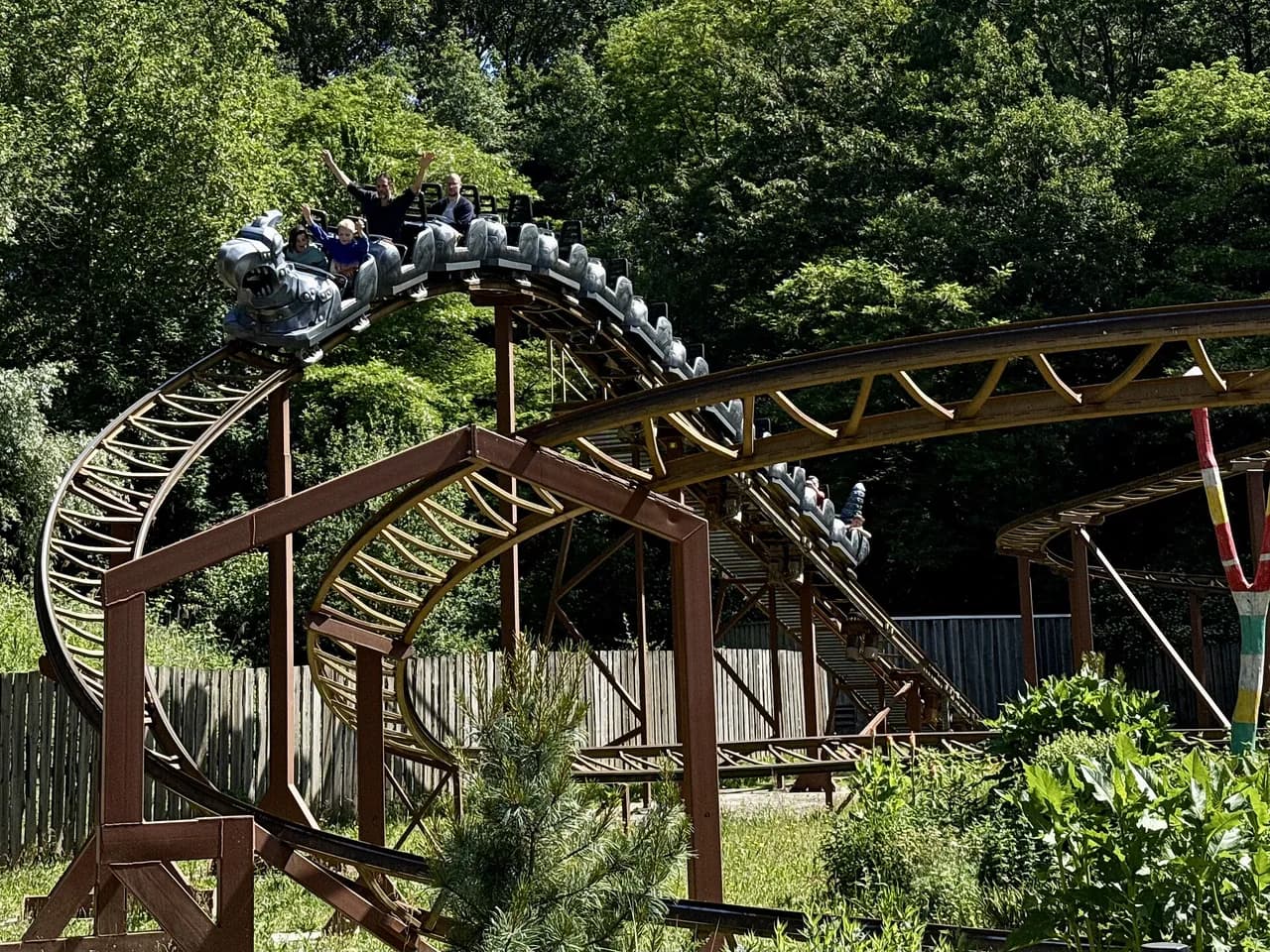
Families with young children have an advantage in wet weather: the gentler rides, carousels and family attractions are lower, slower and often more sheltered than the big coasters. Drako and the family-friendly rides in the park's children's areas keep little ones entertained while the headline coasters sit out a gusty spell. Check the height chart on each ride page before promising a particular ride, since minimum heights vary across the park.
Rider swap lets one adult wait with a child while the other rides, then swap without queuing twice, which is valuable on a wet day when you want to move efficiently. Ask at the ride entrance how the park handles it, and keep the family rides as your flexible afternoon block when the weather is unsettled.

Thrill rides and how to order them around a forecast
For thrill-seekers, the running order matters more than anything else on a windy day. Ride the tallest and most exposed coasters, including Goliath and Untamed, in the first hour or two when wind is typically lightest, then work through Lost Gravity, Xpress: Platform 13 and Condor as the day builds. If gusts pick up in the afternoon, the lower and more sheltered rides keep running while the big coasters wait.
A dated ticket and a booked arrival slot let you plan around the forecast rather than committing blind, so check what Walibi Holland tickets include before you fix your date. If the forecast looks settled, an early arrival gets you through the headline coasters before the wind has a chance to build.
Summer heat: shade, water rides and pacing a hot afternoon
Summer at Biddinghuizen is rarely extreme, but a bright, still afternoon in the low twenties feels hot in the open polder, and the queue lines offer little shade. Use the water rides and splash areas in the middle of the day rather than saving them for the end, and take a proper break in a shaded or indoor spot when the sun is at its strongest. Because the coasters are exposed, a hot day is a good one for an early start and a slower afternoon.
Heat also affects comfort in queues more than ride operations at Walibi Holland's latitude, so pacing matters more than planning around closures. Carry water, use the covered queues where they exist, and plan your biggest coaster laps before the midday heat builds. The Efteling weather guide follows the same logic for a park a short drive away if you are comparing days out.
Spring and autumn: cooler days and shorter queues
Spring and autumn are the seasons when Dutch weather is at its most changeable, with bright spells, sharp showers and a steady breeze. They are also quieter periods, so a wet morning costs you less in queue time and a clear afternoon lets you sweep the headline coasters. Pack for the wind as much as the rain: an exposed polder feels cooler than a city forecast suggests.
On a cool, breezy day, ride order flips: start with the indoor and covered rides while the day warms up, then move to the exposed coasters once the wind settles. Check the park's official calendar before you commit, because opening days are seasonal and a wet-weather gamble is worse when the park only runs a limited week.
Halloween and Christmas event periods and how weather fits in
Walibi Holland's Halloween Fright Nights and its Christmas event draw big crowds and change the look of the park, and those periods come with their own weather patterns. Late-autumn events bring colder, wetter and windier evenings, which makes indoor scare attractions and covered areas more valuable than usual. Confirm the event dates and opening hours on the park's official events page before booking.
Cold-weather events at night change how you plan around the coasters, because the same wind that pauses a ride in October is less bearable after dark in December. Prioritise the outdoor coasters in daylight and save the indoor attractions and shows for the colder evening. Walibi Holland queue times and how to plan around them explains how event crowds affect the order you should tackle the rides.
Getting there by train and bus when it rains
Visitors without a car typically take the train to Harderwijk or Dronten and connect by bus to the park, with the final stretch often including a walk from the stop. In rain, that walk is the part to plan for: check the bus timetable alongside the forecast so you are not waiting exposed at a stop. The park's own directions page lists the transport options and connections it recommends.
A wet walk from the bus stop is short but not pleasant, so an umbrella and a waterproof layer earn their place on a showery day. If the forecast is truly foul, a taxi from the station cuts the exposure and is worth considering for a family group. Check the official directions page for current transport arrangements before you travel.
Parking and arriving in wet weather
Arriving by car puts you in the car park a short walk from the entrance, and in rain that walk is the first thing to plan for. Check the park's official parking page for charges before you go, and keep a dry change of layers in the car so the end of the day is comfortable. A car also gives you a dry place to wait out a heavy band of rain if the park is busy.
If you are staying overnight, Walibi Village places you close enough to return to your accommodation during a shower and come back out when it clears. Check what Walibi Village includes before you book, then pair it with a dated ticket so your wet-weather plan has a nearby base.
Accessibility, baby care and rider swap on a wet day
The park's accessibility guide explains how to register for its schemes and what support is available at each ride, which matters more on a wet day when queues and routes change. Baby care facilities and rider swap keep a family moving without queuing twice, so ask at the entrance to each ride how they work. Check the official accessibility page for the current process before you visit.
Rider swap is especially useful on a park day hit by showers, because you can keep one adult dry with a child while the other rides, then swap. Pair it with the park's covered attractions to build a wet block that still suits everyone in the group. The Walibi Holland guide covers the family facilities alongside the rides.
A wet-day plan: rope drop, indoor blocks and a second attempt
Start with the headline coasters at rope drop, when wind is usually lightest and the queue is shortest, and clear Goliath, Untamed and Lost Gravity before the day has a chance to turn. Then watch the radar: when a shower comes through, move to the indoor and covered rides and eat a long lunch in WAB Plaza. When the front passes, go back out for the remaining coasters while the crowds are still sheltering.
Keep a second outdoor block for the late afternoon, when showers often ease and the wind drops, and finish with the rides you missed. If the forecast looks bad enough to spoil the day, a dated ticket lets you pick your date, so check the ticket options before you commit. With a running order rather than a fixed plan, a wet Walibi Holland day works almost as well as a dry one.
Plan Around the Forecast, Not Against It
Walibi Holland is a park where wind, not rain, decides which rides run, so the most useful thing you can do is read the gusts, ride the exposed coasters early and keep an indoor block in reserve. Rain thins the queues and rarely closes anything, which makes a showery day a reasonable bet if you plan the order. Check the official calendar for opening hours and the day's forecast before you travel, then let the weather set the sequence.
Explore more Walibi Holland guides
Frequently Asked Questions
What happens at Walibi Holland when it rains?
Most rides keep running in rain, though exposed coasters become uncomfortable and the queue lines fill with guests seeking shelter. Move to the indoor and covered attractions while a heavy shower passes, then head back out to the outdoor rides when the rain eases.
Do rides close at Walibi Holland in high wind?
Tall, fast coasters and rides that lift guests high are the first to pause when gusts pick up, because they cannot run safely in strong wind. Ride the most exposed coasters early in the day, when wind is usually lightest, and keep the lower or indoor rides for gusty afternoons.
Which Walibi Holland rides are indoors?
The park's ride pages list each attraction and its height requirements, which makes it easy to find the covered and indoor options. Enclosed coasters such as Speed of Sound are the most reliable choice when the weather turns.
What is the best month to visit Walibi Holland for good weather?
Late spring and early autumn usually bring quieter days with changeable but often bright weather, while summer is warmer and busier. Check the park's official calendar for the opening season and events before choosing your date.
How hot does it get at Walibi Holland in summer?
Summer temperatures in the region typically sit in the high teens to low twenties Celsius, with occasional warmer spells. The polder is exposed and queues offer little shade, so use the water rides and take breaks in the middle of the day.
Is Walibi Holland open in winter?
The park runs a seasonal calendar rather than year-round opening, and its Christmas event falls in the colder months. Check the official calendar for opening days and event dates before booking travel.
How do I get to Walibi Holland by public transport in the rain?
Most visitors take the train to Harderwijk or Dronten and connect by bus to the park, with a short walk from the stop. Check the bus timetable alongside the forecast so you are not waiting exposed, and take a waterproof layer for the walk.
Does Walibi Holland close rides in a thunderstorm?
Outdoor rides pause when lightning is in the area and reopen once the storm has cleared. Use the indoor and covered attractions during the storm and check the radar for when it is due to pass.
Sources
Notes for your next park day
Optional updates to our park guides.
You might also like


Continue reading
More guides you'll find useful