Oblivion at Alton Towers: Drop, Height Limit and Ride Guide
Oblivion at Alton Towers is the world's first vertical drop dive coaster, with a 180ft drop, 68mph top speed and a 1.4m height limit. Here's how to ride it.
On this page
Oblivion holds riders face-down over a near-vertical edge and then drops them 180ft into a tunnel, which is why it still anchors X Sector almost three decades after opening. It is a short, sharp experience built around a single moment rather than a long circuit, and it suits thrill-seekers who want that one big plunge.
The ride is a Bolliger & Mabillard dive coaster that opened on 14 March 1998, billed as the world's first vertical drop roller coaster. Anyone planning a day around it should know the height limit, where it sits in the park and how its drop differs from the rest of the circuit before deciding how to work it into a ride order.
What Oblivion is
Oblivion is a steel sit-down dive coaster in X Sector, the area at the lower end of Alton Towers built around it in 1998. Bolliger & Mabillard manufactured the ride, and TowersTimes records it as opening on 14 March 1998.
In park terms, X Sector sits in the lower part of the grounds rather than near the entrance, so Oblivion is usually reached after a walk down through the gardens or across from the main towers area. Treat it as a destination part-way through the day rather than the first thing you pass.
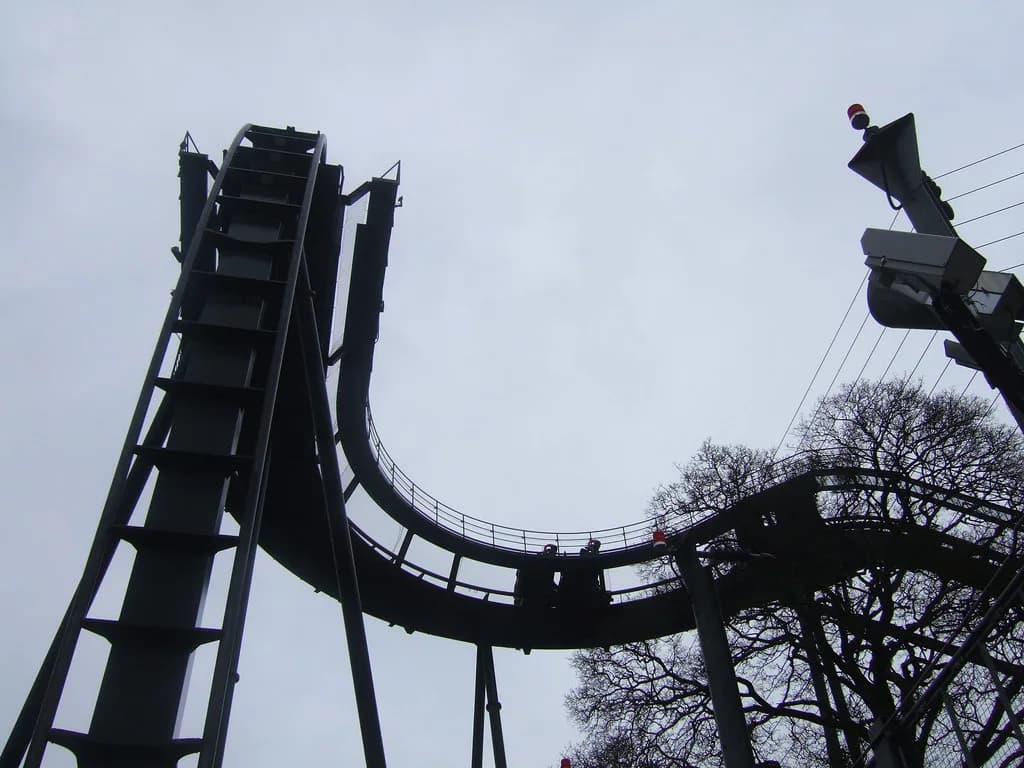
The ride's identity is the vertical drop itself: the track reaches 60m (about 197ft) and then drops 180ft into a tunnel, which is why the drop is the headline figure. Steel track runs 373m from station to brake run, so the whole ride is over quickly.
The drop and the numbers
The headline figure is a 180ft drop at 87.5 degrees, taken from a 60m track height into a tunnel below ground. The train reaches roughly 68mph by the bottom, and riders feel forces of around 4.5G through the pull-out.
Alton Towers presents the ride around that same promise, describing the 180ft drop and 4.5G forces as the core of the experience. That framing helps set expectations: this is a coaster about one long, exposed pause and a single fall, not a chain of elements.
The circuit carries zero inversions, so riders are never turned upside down. After the tunnel, the track sweeps through an overbanked left turn past Enterprise before a final dip and the brake run, which arrives sooner than most people expect.
Height limit and riding requirements
Riders must be at least 1.4m tall, and there is no maximum height restriction. Tall children who clear the bar can still find the drop intimidating, so height alone is not the best test of whether the ride suits them.
Loose articles go into baggage shelves on the platform before riders take their seats, and the over-the-head restraints are pulled down by each rider. Because the shelves sit across the platform, sorting bags takes a moment at boarding rather than at the entrance.
Each shuttle seats 16 riders across two rows of eight, which keeps throughput moving even when the queue looks long. The theoretical capacity sits around 1,700 to 1,820 riders an hour, depending on which figure you read, so batching happens in large groups.
What the ride actually does, from lift hill to brake run
The experience starts in the queue, a winding path up toward the station with screens featuring the Lord of Darkness and the Lord of Light trading ominous lines about what happens beyond the drop. It sets a deliberately unsettling tone before riders even board.
After dispatch, the shuttle climbs a steep lift that tilts riders onto their backs, so the only view is track and sky. At the top it turns slowly to the left, showing the ruins and the X Sector below, and then crawls toward the edge and holds.
The hold over the drop is the ride's defining moment: the shuttle hangs with nothing but the ground and The Smiler's face below before the catch releases. Riders then fall into the tunnel, pass through a mist effect, level out and exit into the overbanked turn before the brakes.
How intense it is and who should skip it
The intensity sits in two places: the slow, exposed climb and the sustained 4.5G pull-out at the bottom of the drop. Riders who dislike heights or being held face-down over an edge tend to find the pause harder than the fall itself.
Skip Oblivion if a near-vertical first drop or a long pre-drop hold is the part of a coaster you dread, even if you happily ride launches and inversions elsewhere. The lack of inversions does not make this a gentle ride, and the force at the bottom is substantial.
Riders who cope with big drops generally come off buzzing because the ride is brief and the circuit forgiving after the tunnel. It is a good first step toward the park's more relentless thrill coasters for anyone unsure about their tolerance.
Where Oblivion sits in X Sector and how to ride it early
Oblivion stands at the bottom end of X Sector, which means approaching riders walk past the vertical drop before reaching the queue entrance. That approach is part of the build-up, and it also makes the ride easy to spot from across the area.
Ride it early if the drop is your priority, ideally before the middle of the day when X Sector fills with riders working through The Smiler and the surrounding thrill rides. Walking down to X Sector first also means climbing back up through the gardens later, when the legs are fresher.
Check the official Alton Towers ride page for the day you plan to visit before setting your route, since operating hours and ride availability vary. Build a backup thrill ride into the plan so a closure does not leave a hole in the day.
Queue strategy and Fastrack on Oblivion
Oblivion is included in the park's Fastrack system, so paid queue-jump slots exist alongside the standby line. Fastrack is a separate purchase from park entry, and its availability and price vary by date.
Because the ride batches 16 riders at a time, standby queues usually move in visible surges rather than steadily. Watching the station from the approach path gives a better read on the wait than the length of the line alone.
Weekends, school holidays and event periods in the park calendar are when X Sector is busiest, so an early slot or a Fastrack booking pays off most on those days. Compare what each option costs for your date on the Alton Towers tickets pages before deciding.
Oblivion for families: younger riders, non-riders and nearby gentler rides
The 1.4m minimum puts Oblivion out of reach for most primary-age children, so families often split here. Non-riders can wait near the X Sector entrance and watch the drop rather than queue through the station.
Families with younger children tend to base themselves in CBeebies Land, which sits elsewhere in the grounds and is aimed squarely at pre-school and early-years visitors. Plan a meeting point and a handover time if part of the group wants Oblivion and part wants the gentler rides.
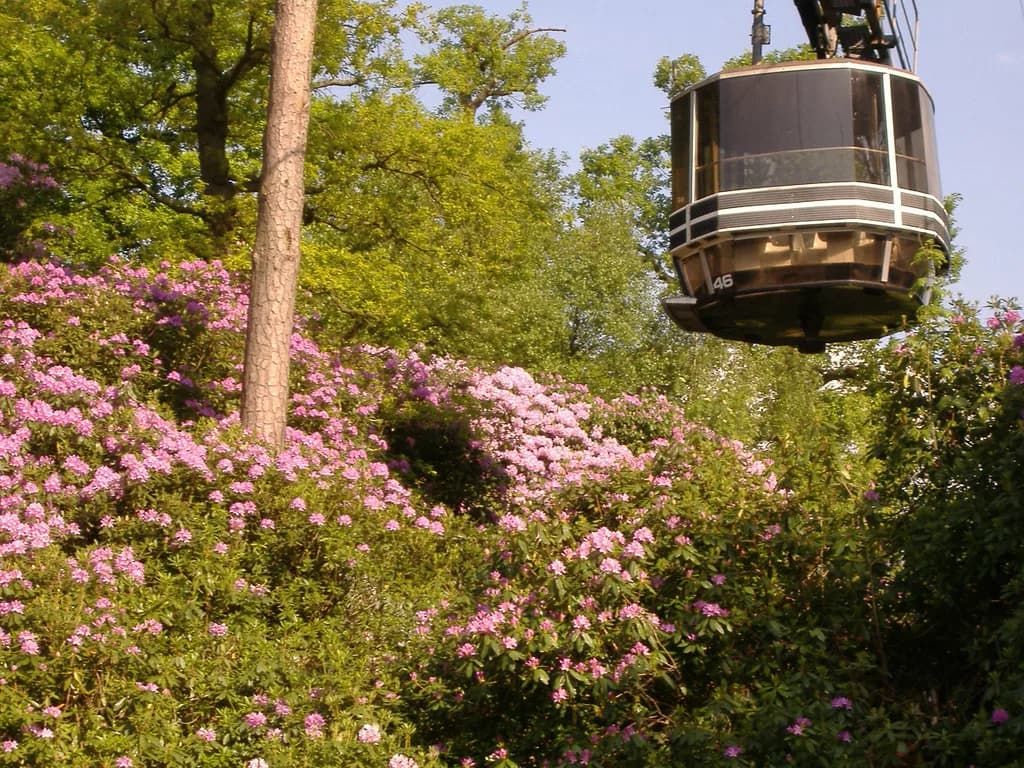
The gardens and the towers area give non-riders somewhere to walk between handovers, and the Skyride cable car helps cover ground when legs tire. Working out meeting points in advance matters more at Alton Towers than at compact parks because the grounds are large.
Ride photos and on-ride cameras
Two on-ride cameras capture Oblivion: the first as riders drop past the top of the tunnel, the second on the final dip before the brakes. That means the photo you are offered is usually the fall itself rather than the hold at the top.
Ride photography is available for purchase after the exit, so decide before boarding whether anyone in the group wants to buy and who should sit where. Riders in the front row get the clearest view of the drop, and the back row gets the strongest sensation over the edge.
Accessibility, mobility and rider swap on Oblivion
The queue winds uphill through a repetitive switchback to reach the station, which is tiring for anyone with limited stamina. Ask staff at the entrance about step-free routes and the access arrangements before joining the standby line.
Rider swap lets a supervising adult wait with a child too small to ride while the rest of the group rides, then take a turn without rejoining the full queue. Arrange it with the ride host at the entrance rather than at the station.
Detailed access information, including ride access passes and the procedures for each attraction, is set out in the park's own access guidance. Read it before your visit if anyone in the group needs step-free access or a supported boarding arrangement.
Nearby thrill alternatives and how they compare
The Smiler stands in X Sector beside Oblivion and offers the opposite experience: a long, inversion-heavy circuit rather than one enormous drop. Riders who want sustained disorientation usually prefer it, while drop-seekers often rate Oblivion higher.
Enterprise sits close to Oblivion's final turn, giving X Sector a compact cluster of thrill rides that can be worked through in one pass. Starting with Oblivion and moving on keeps the walking short.
Plan the rest of the day using the broader Alton Towers Resort overview, which sets out the other areas and headline rides so you can decide how much time X Sector deserves. Getting to the park by road, rail and shuttle is covered in the guide on how to get to Alton Towers if you are travelling in for the day. If you are weighing up a second trip, our Thorpe Park guide covers the same decisions of tickets, hotels and getting there at another UK park.
Seasonal events and planning around the official calendar
Alton Towers runs seasonal events through the year, with Scarefest in the autumn and Christmas offerings later in the season among the fixtures the resort promotes. Event periods draw bigger crowds, so check the calendar before fixing your date.
The official Alton Towers site publishes opening dates, ride availability and event details, and those are the figures to plan around. Book dated tickets for the day you want once the calendar confirms the park is open.
Plan Your Visit
Oblivion rewards riders who want one huge, exposed drop and a fast exit rather than a long circuit. Check the 1.4m minimum against your group, decide whether the hold over the edge is for you, and place X Sector early in the day if the drop is the priority.
Pair it with The Smiler for contrast, use Fastrack if you are visiting on a busy date, and keep the official calendar in view when fixing your day. The rest of the park, from CBeebies Land to the gardens, is easy to slot around a stop in X Sector.
Explore more Alton Towers guides
- Alton Towers Accessibility
- Alton Towers Christmas
- Alton Towers Fast Track
- Alton Towers Food
- Alton Towers Halloween
- Alton Towers Height Restrictions
- Alton Towers Hotels and Nearby Stays for Your Park Days
- Alton Towers Map
- Alton Towers Opening Times and How the Season Works
- Alton Towers Queue Times and Crowd Patterns
Frequently Asked Questions
How tall is the drop on Oblivion at Alton Towers?
Oblivion drops riders 180ft at an angle of 87.5 degrees, falling from a track height of 60m into a tunnel below ground. The drop height is much larger than the lift hill because the track descends well below the level of the station.
What is the height limit for Oblivion?
Riders must be at least 1.4m tall to ride Oblivion, and there is no maximum height restriction. Clearing the height bar does not guarantee a child will enjoy the ride, because the long hold over the drop is the part many riders find hardest.
How fast does Oblivion go?
The train reaches roughly 68mph at the bottom of the first drop and pulls around 4.5G through the exit from the tunnel. The rest of the circuit is short, with an overbanked turn and a final dip before the brake run.
Is Oblivion scarier than The Smiler?
They frighten riders in different ways. Oblivion is built around one near-vertical drop and a long pause over the edge, while The Smiler is a longer, inversion-heavy circuit, so drop-seekers tend to rate Oblivion higher and riders who dislike being held over an edge often prefer The Smiler.
Does Oblivion have inversions?
No. Oblivion has zero inversions, and riders are never turned upside down. After the tunnel the track runs through an overbanked left turn past Enterprise, then a final dip into the brakes.
When did Oblivion open at Alton Towers?
Oblivion opened on 14 March 1998 and was billed as the world's first vertical drop roller coaster. It was manufactured by Bolliger & Mabillard and built as the centrepiece of X Sector.
Can you skip the queue on Oblivion with Fastrack?
Yes. Oblivion is included in the park's Fastrack system, which is bought separately from park admission and sold by date, so availability and pricing change through the season. Compare the options for your chosen day on the official Alton Towers site before booking.
Is Oblivion suitable for children?
Children must meet the 1.4m minimum, and the ride's 4.5G pull-out and near-vertical drop make it a genuine thrill ride rather than a family coaster. Taller children who enjoy big drops often love it, while those nervous about heights may find the hold at the top harder than the fall.
Sources
Notes for your next park day
Optional updates to our park guides.
You might also like
Continue reading
More guides you'll find useful