Alton Towers Map: Every Area and What's in Each One
Use the Alton Towers map to plan your day: the areas in walking order, where the big rides and family zones sit, plus sample routes for families and thrill-seekers.
On this page
Alton Towers packs its rides into separate themed areas spread across a large estate in Staffordshire, and the map is the single most useful planning tool you have. Each area has its own character, from the thrill hardware of Forbidden Valley to the gentle rides of CBeebies Land, so knowing the sequence saves you criss-crossing the park. Our Alton Towers guide sits behind this breakdown, which walks the areas in the order most visitors meet them and shows which zones deserve your time first.
What the Alton Towers map shows
The map covers one park divided into clearly labelled themed areas, with the main entrance and ticket gates at the front and the historic gardens and Towers forming the quieter heart of the estate. The Skyride cable car links several areas across the park, which matters because the site is hilly and long rather than compact. Treat the map as a route planner: pick the order you want to meet the areas, then use the Skyride or the paths to skip retracing your steps.
The park sits near the village of Alton in Staffordshire, and the map's outermost edges are where car parks and approach roads sit rather than ride areas. Because the final miles are rural, sort out how to get to Alton Towers before you study the layout, so the arrival end of the map is already familiar.
The areas in walking order from the main entrance
From the main entrance, the park's geography usually unfolds as a loop: the front-of-park zones lead through to the big thrill areas on one flank, the family zones cluster on the other, and the gardens and Towers sit between them. The practical consequence is that you should not treat the map as a straight line from entrance to far end, because you will want to work both sides. A sensible habit is to choose your first headline ride before you walk through the gates, then let the map route you from there.
Walking order matters most for families: heading straight for the far side of the park at rope drop means a long push back later when children tire. Decide whether your day starts with the big thrill area or the young children's zone, and commit to that half of the map first.
Forbidden Valley: the thrill-seeker zone
Forbidden Valley is the park's headline thrill area, and the park's 2025 map added Toxicator, a topspin ride standing 78 feet tall that spins riders out over a pool of themed acid. The same map update saw the removal of The Blade, the long-running pirate ship, plus Flavio's Fabulous Fandango and the Alton Towers Dungeon. Ride line-ups in this area change with new investment, so read the current ride list against the map before you commit your day to it.
This is where teens and thrill-seekers should head first, because the biggest draws sit together and get busiest as the morning goes on. Check minimum heights before you promise a ride to a shorter child, since the thrill hardware here is not built for small riders.
X-Sector: compact cluster of big rides
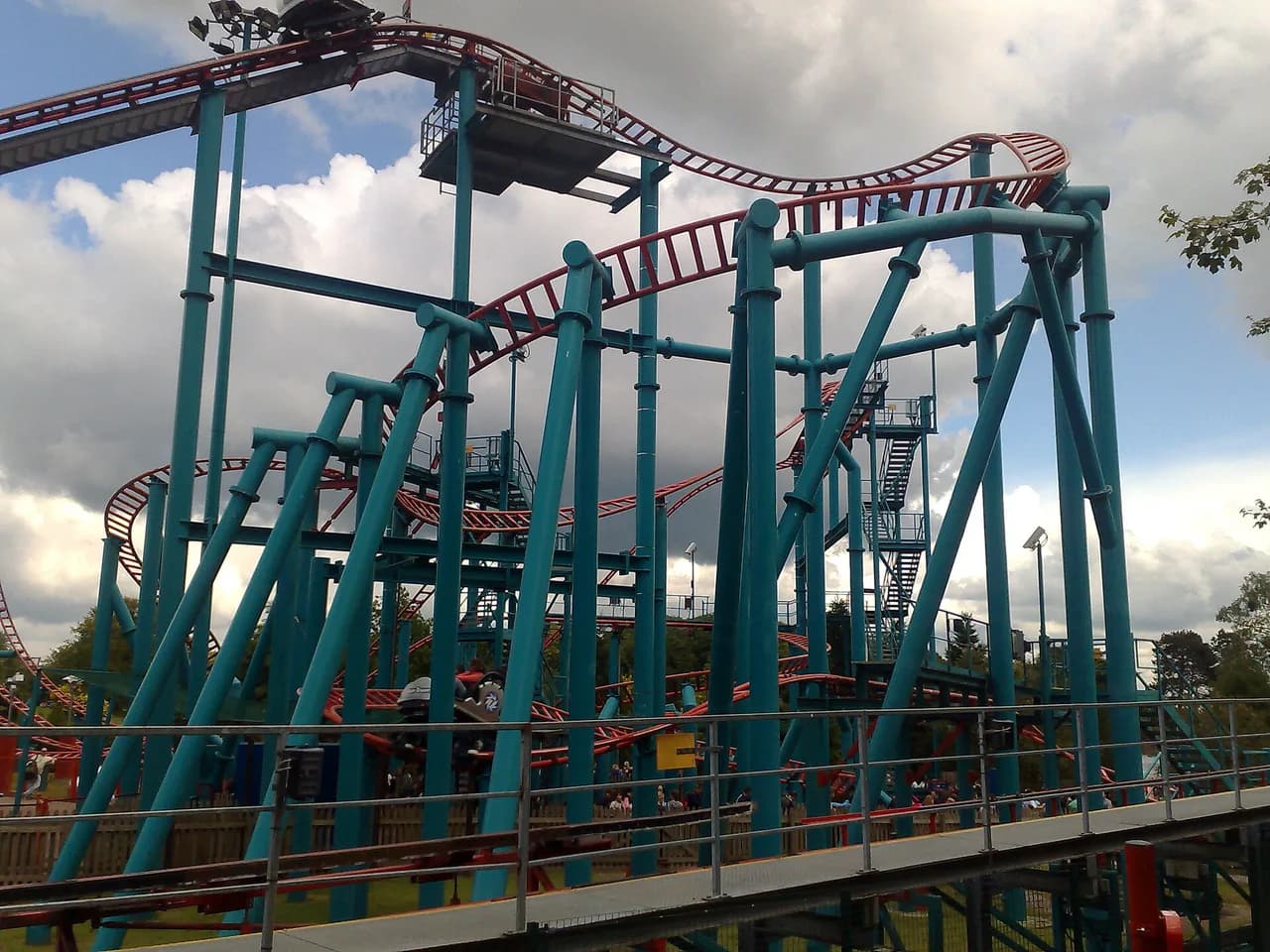
X-Sector groups several major rides close together, which makes it efficient for anyone chasing intensity: you can clear the area in one sweep rather than crossing the park. The map shows it as a tight zone, so once you are in, the rides are within a short walk of each other. Slot it directly after Forbidden Valley if you are touring the thrill side of the park in one morning.
Because the rides sit so close, X-Sector clogs quickly when the park fills up. Ride order rather than map reading is the real lever here, so understand the crowd patterns before you finalise which area comes first.
Dark Forest: the wooded area and its major coaster
Dark Forest is a wooded zone built around a major coaster, and the tree cover gives it a different feel from the exposed thrill areas. On the map it sits between the big-ride side of the park and the family zones, making it a natural crossing point rather than a dead end. Use it as a link in your route rather than a separate trip.
The area's headline coaster is a draw for older children and adults, and the surrounding paths are a useful shortcut when you are moving between the front of the park and the family side. If someone in your group wants a break, this is a reasonable place to pause while others ride.
Katanga Canyon and Mutiny Bay: family rides and water elements
Katanga Canyon and Mutiny Bay sit alongside each other and both mix gentler rides with water elements, which makes them a good middle ground for mixed-age groups. On the map they form a bridge between the thrill zones and the young children's areas, so they work well as a halfway stop. Expect to spend longer here than the map suggests if you have children who want repeat rides.
The water features make these areas a sensible choice on warmer days, and they are a natural point to eat before tackling the bigger rides again. Check each ride's height rule individually, because family areas often hold a mix of rides for very small children and rides for older siblings.
Adventure Land and CBeebies Land: where younger children spend the day
Adventure Land and CBeebies Land sit together and form the core of the park for younger children, with rides built around familiar characters and gentler motion. For families with pre-schoolers, the map's logic is simple: base yourselves here and treat the rest of the park as optional. If you are weighing up alternatives for small children, the Flamingo Land map shows how another park's family zones are laid out. Trying to tour the whole estate with a toddler usually ends in a long, tired walk back.
CBeebies Land rewards arriving early, because it is the first stop for many families and fills through the morning. Pair it with Adventure Land next door so small children get a full day without crossing the park.
The Gardens and the historic Towers
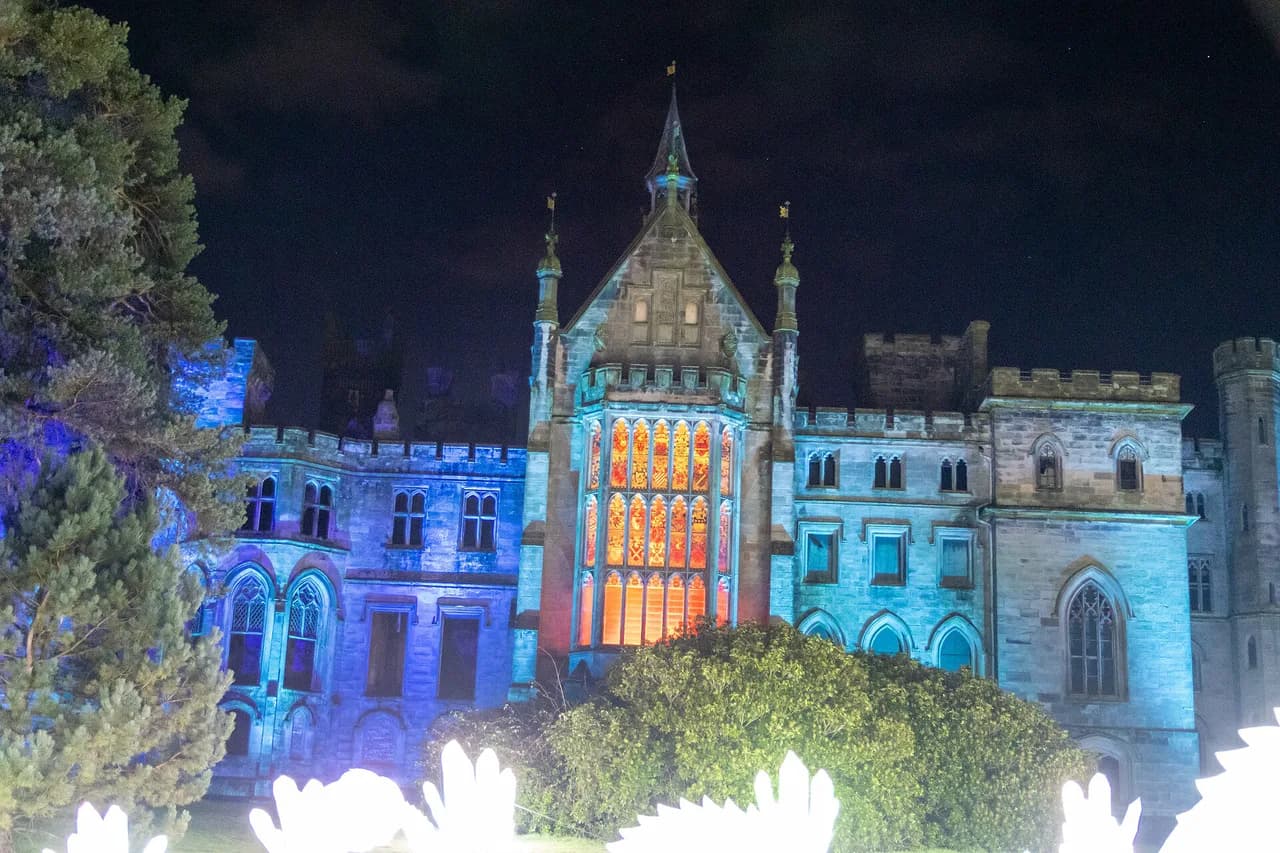
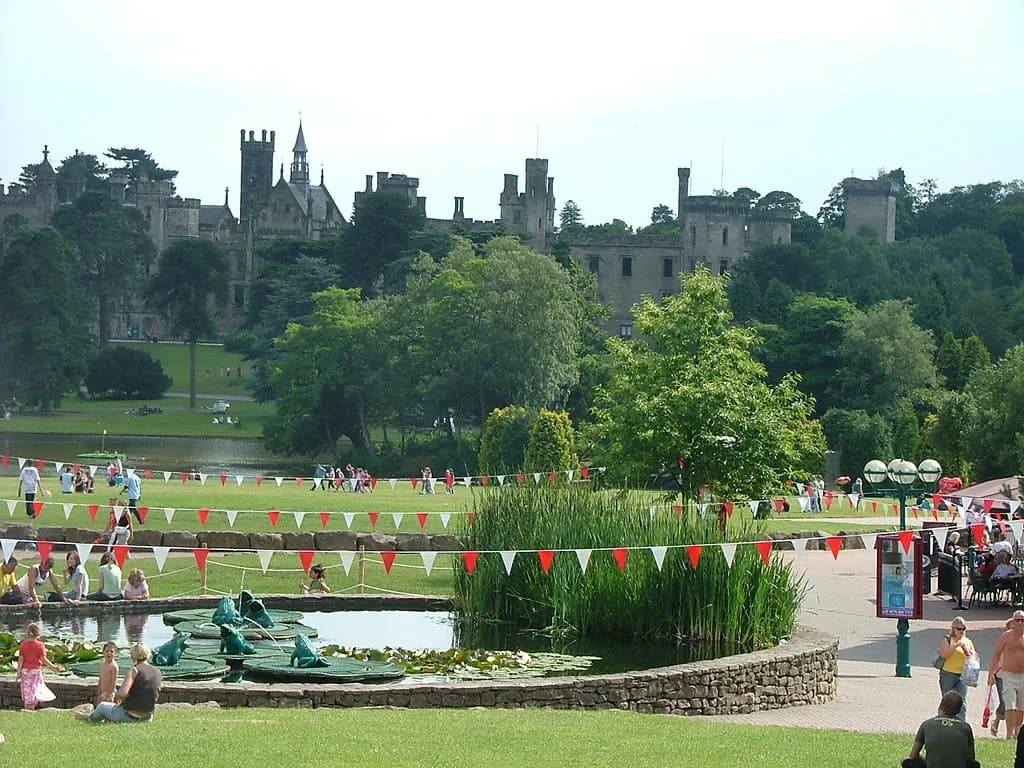
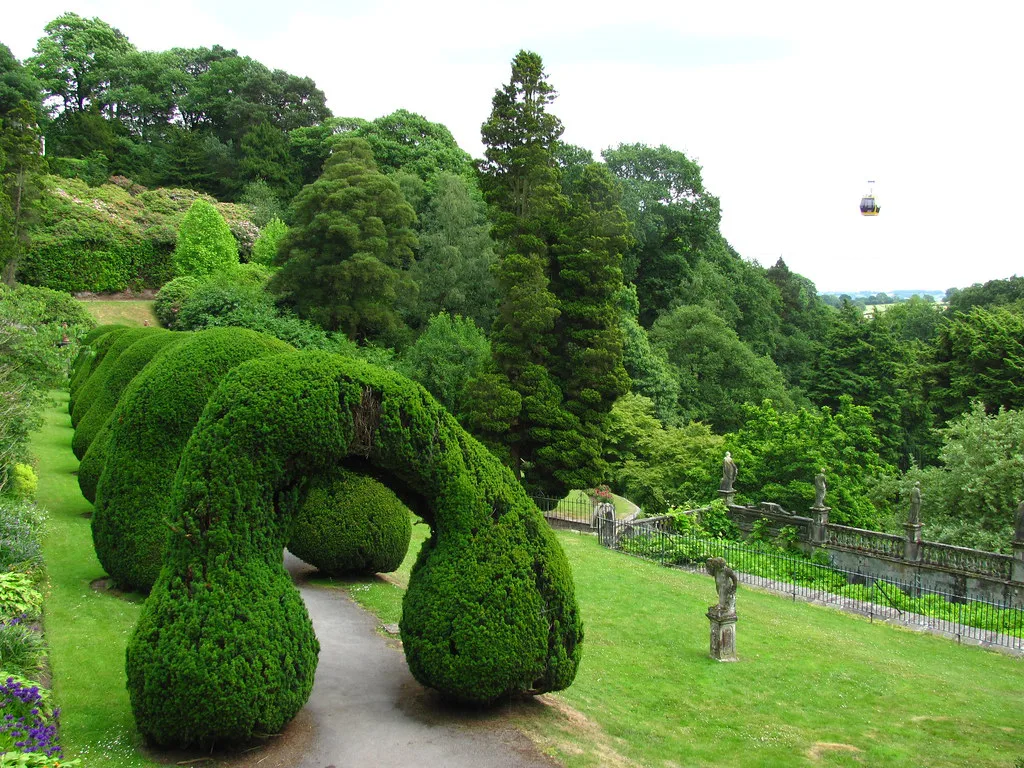
The Gardens and the Towers give the park a non-ride half that many visitors skip, and the map shows them as a distinct green area rather than part of the ride circuit. The Towers are the historic core of the estate, and the Gardens suit anyone who wants a slower hour away from queues. It is a good option for grandparents, or for splitting a group when some riders want a second lap of the big coaster.
Plan the Gardens as a deliberate stop rather than something you pass through, because once you are in the ride circuit it is easy to forget they exist. A late-afternoon walk here breaks up a long day of standing in lines.
Where food, drink and toilets cluster across the map
Food and drink outlets cluster around the main entrance and the central areas rather than being spread evenly, so the map is worth reading before hunger strikes. The young children's zones and the family areas near Katanga Canyon and Mutiny Bay are the easiest places to eat with a group that cannot agree. For what is actually served, our Alton Towers food guide covers the options area by area.
Toilets sit near the major ride areas and the entrance, so note their positions before you set off into the woods. If you plan to sit down for a proper meal rather than grab and go, book the timing around your route rather than the other way round.
How to read ride minimum heights off the map
The official map and height chart list a minimum height for each ride, and those figures should drive your route more than the map's colours do. A ride that looks like a family attraction on paper can carry a height limit that excludes a younger sibling, which splits the group. Read our breakdown of Alton Towers height restrictions before you leave and mark the rides that everyone in your party can do together.
Rider swap arrangements let adults take turns on height-restricted rides without losing the day, so build those into the plan rather than improvising at the gate. Access schemes and support for disabled visitors are best arranged ahead of the visit.
A sample one-day route for families with young children
Start at the front of the park and head straight for CBeebies Land and Adventure Land while the day is fresh, then work back through Katanga Canyon and Mutiny Bay for a change of pace. That route keeps you on the family side of the map and avoids the long walk to the thrill zones altogether. Finish with a slow hour in the Gardens if energy allows, since it is quieter than the ride areas.
This sequence assumes the park is running normal hours, which vary through the season and around events. Check the day's published hours on the Alton Towers opening times page before you fix timings.
A sample one-day route for teens and thrill-seekers
Go the other way: hit Forbidden Valley and X-Sector as the gates open while queues are short, then move through Dark Forest towards the family areas as the park fills. Use the Skyride to hop back to the front when you need to reset rather than walking the length of the estate twice. If crowds build, an Alton Towers fast track product can rescue the afternoon, but buy it for the rides you actually intend to repeat.
Check ticket types before you plan a second day: a dated ticket and a flexible one carry different terms, and multiple days can be cheaper than two separate visits. Compare Alton Towers tickets for your specific date rather than a headline figure, because prices vary by day.
Using the Skyride and paths to cut walking between areas
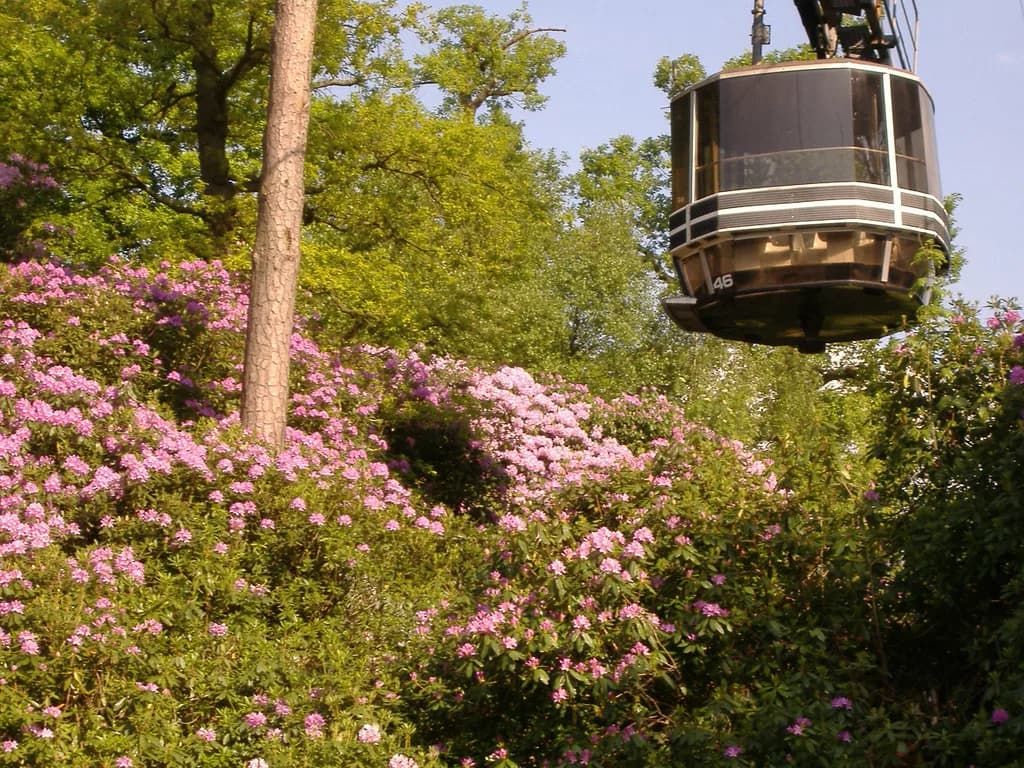
The Skyride is the park's cable car link, and it is a routing tool as much as an attraction: it carries you between areas that would otherwise be a long uphill walk. Use it when moving between the front of the park and the far zones, especially with tired children or after a long morning. The paths between areas are steep in places, so plan your walking legs with the map's contours in mind.
Distances across the estate are substantial and the terrain is hilly, so plan fewer, longer legs instead of many short hops. Accessibility provision for the steep paths and the Skyride itself is worth arranging in advance if anyone in your group needs step-free routes; the Alton Towers accessibility guide sets out what is available.
Finding the official park map and live opening hours
The park's own site publishes the current park map and calendar, and those two pages are the ones to save before your visit because they reflect the season you are travelling in. A printed or downloaded map is still useful on the day, since signal across a large rural estate can be patchy.
If you are staying over, choose accommodation before fixing your park days, because nearby options vary in how close they put you to the gates. Alton Towers hotels range from on-site themed rooms to pubs and B&Bs in the surrounding villages, and where you sleep shapes how early you reach the entrance.
Plan Your Day Around the Map
The Alton Towers map rewards a little planning: decide which half of the park you want first, use the Skyride to avoid long walks, and let ride heights rather than zone names decide who goes where. Families should base themselves in CBeebies Land and the family zones, while thrill-seekers should clear Forbidden Valley and X-Sector early. Build the rest of the day around the official calendar for your dates.
Frequently Asked Questions
What are the main areas of Alton Towers?
The park divides into themed areas including Forbidden Valley, X-Sector, Dark Forest, Katanga Canyon, Mutiny Bay, Adventure Land and CBeebies Land, with the historic Towers and Gardens forming a quieter central zone. The entrance and the Skyride cable car link them together across the estate.
Where are the big rides at Alton Towers?
The major thrill rides cluster in Forbidden Valley and X-Sector, with a headline coaster in the wooded Dark Forest area. Teens and thrill-seekers should head there first, before the queues build through the morning.
Which part of Alton Towers is best for young children?
CBeebies Land and neighbouring Adventure Land are the areas built for younger children, with gentler rides and character theming. Katanga Canyon and Mutiny Bay nearby offer a middle ground for mixed-age groups.
How long does it take to walk around Alton Towers?
The estate is large and hilly, and areas are linked by paths plus the Skyride cable car. Rather than quoting a total walking time, plan a few long legs between areas and use the Skyride for the biggest hops.
Is there a Skyride at Alton Towers?
Yes. The Skyride is a cable car that links several areas of the park and doubles as a shortcut across the estate. It is especially useful when moving between the front of the park and the far zones with tired children.
Sources
Notes for your next park day
Optional updates to our park guides.
You might also like
Continue reading
More guides you'll find useful