Siam Park Weather: Best Months, Rain Plans and Heat Tips
Plan a Siam Park day around Tenerife's weather: typical monthly conditions, how rain, wind and heat affect water rides, and realistic wet-day alternatives.
On this page
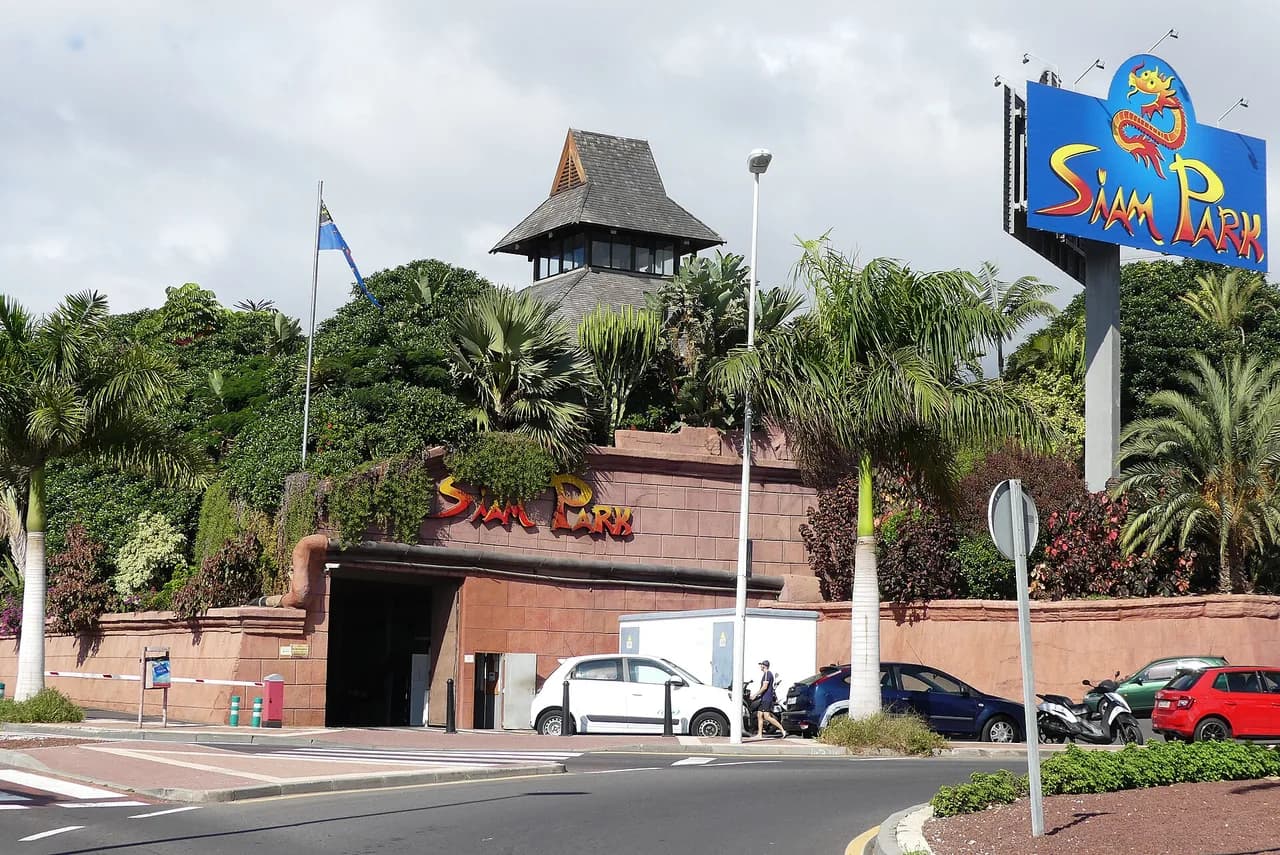
Siam Park is a large water park in Costa Adeje on Tenerife's south coast, and its climate is one of the reasons it works as a holiday-day out almost year-round. The island's southern resorts are typically warmer and drier than the greener north, so a water-park day here is less of a gamble than in most of Europe. What follows is how temperature, wind and rain actually change the shape of a visit, so you can pick your date and your plan with confidence.
What Tenerife's climate means for a Siam Park day
Tenerife's south coast, where Costa Adeje sits, generally delivers warm, sunny days with modest rainfall, while the north of the island around Puerto de la Cruz is cloudier and wetter. That geographic split matters when you are choosing where to stay: a base in the south keeps you close to the park and improves your odds of a dry day. Even in the cooler months, daytime temperatures on the south coast are usually comfortable enough for water rides, though the sea and pool water can feel brisker than the air.
Because the park's slides and pools are outdoors, your day's comfort depends heavily on air temperature, sun and wind rather than rain alone. A clear, hot day is not automatically the easiest day: strong midday sun makes the exposed walkways and queuing areas demanding. The most comfortable pattern is often to arrive at opening, ride hard through the morning, then slow down during the hottest hours.
Month-by-month picture: temperatures and rain odds
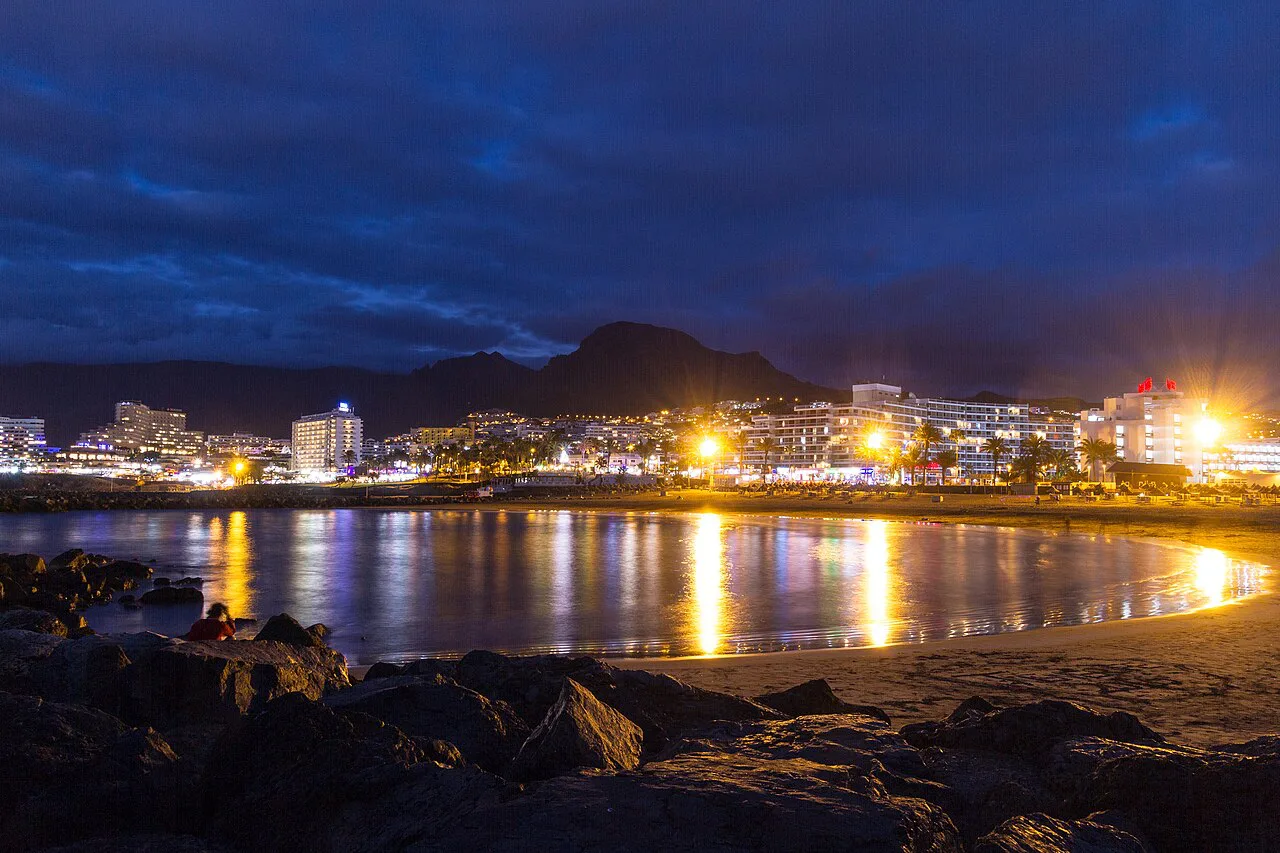
A forecast week for Los Gigantes, on Tenerife's west coast, shows daytime highs mostly between 23°C and 26°C with sunny spells, cloud and occasional showers mixed across the same stretch of days. That is a fair picture of how a given week on the island can behave in autumn: rarely cold, but not guaranteed blue sky every afternoon. Short-range forecasts in the days before you travel are worth more than a long-range outlook, so check the forecast for the park before you commit your water-park day.
Forecasts for the island's main towns tell the same story in broader strokes, with Santa Cruz de Tenerife commonly showing highs in the low-to-mid twenties and a mix of light cloud, sunny intervals and rain across a two-week view. The pattern to plan around is that winter brings cooler air and a higher chance of rain, while late spring through early autumn brings the most reliable heat and the longest days. If you want warm water-park weather without peak-season crowds, late spring and early autumn are the natural windows.
How heat and sun shape a water-park day
Heat changes how you should pace a water park more than any other factor. On a hot day, the big slides and wave pools will be busiest in the middle of the day, while lockers, shaded seating and the Mai Thai River become the places people gravitate to for a break. Riding the headline attractions early and late, and using the middle of the day for slower water and shade, is the standard way to make a hot day work.
Sun exposure is the other half of the heat story. Tenerife sits at a latitude where UV can be strong even when the air feels pleasant, so a cloudy-but-warm day still burns. The Lazy River and other shaded areas are good places to break up the day, and re-applying sunscreen through the afternoon is worth the small interruption.
Wind: which rides are most exposed
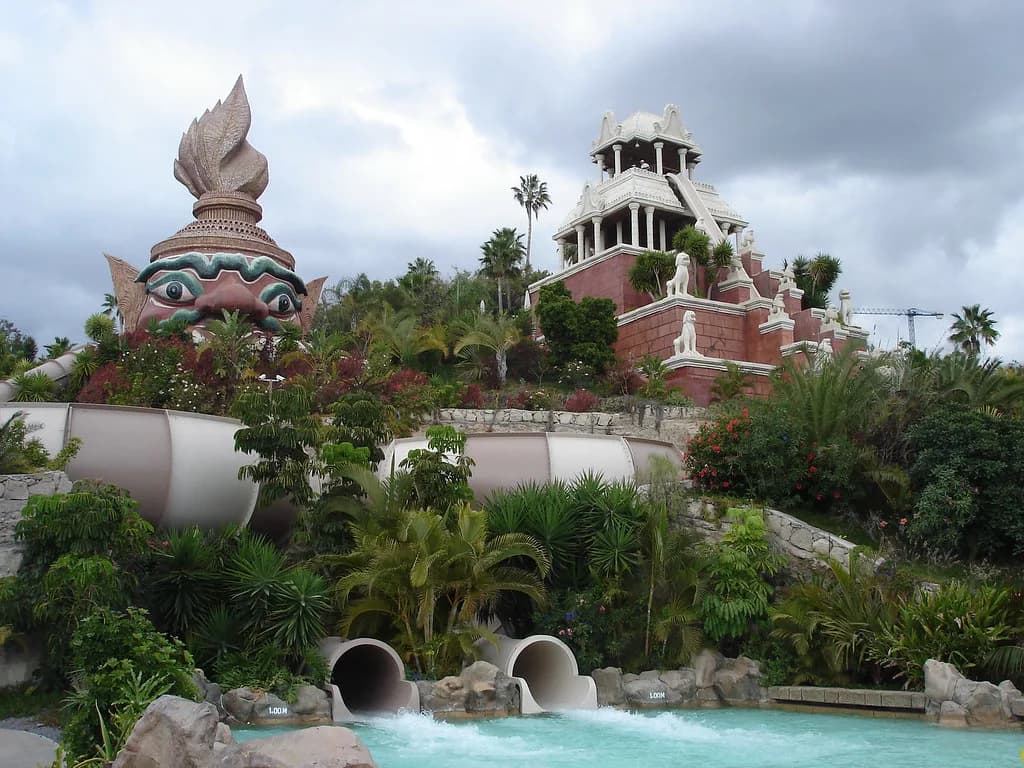
Wind is the weather factor most likely to change your plan without any rain in sight. Tall, exposed drop slides and tower rides catch the most wind, so on a breezy day the headline tower rides can be the first to be affected. Tower of Power at Siam Park is the obvious example of a ride where height and exposure matter, and the park makes its own decisions on any given day.
Rather than guessing thresholds, treat a windy day as a reason to build flexibility into your route. Start with lower, more sheltered slides and the wave pool, and save the high, exposed rides for later in the day when conditions may ease. If a ride you came for is down, ask Siam Park staff about the likely reopening and reorganise around the rest of the park rather than waiting indefinitely. Check the park's current opening hours and ride status before you travel, as these can change with weather.
Rain: what a shower does to a water-park visit
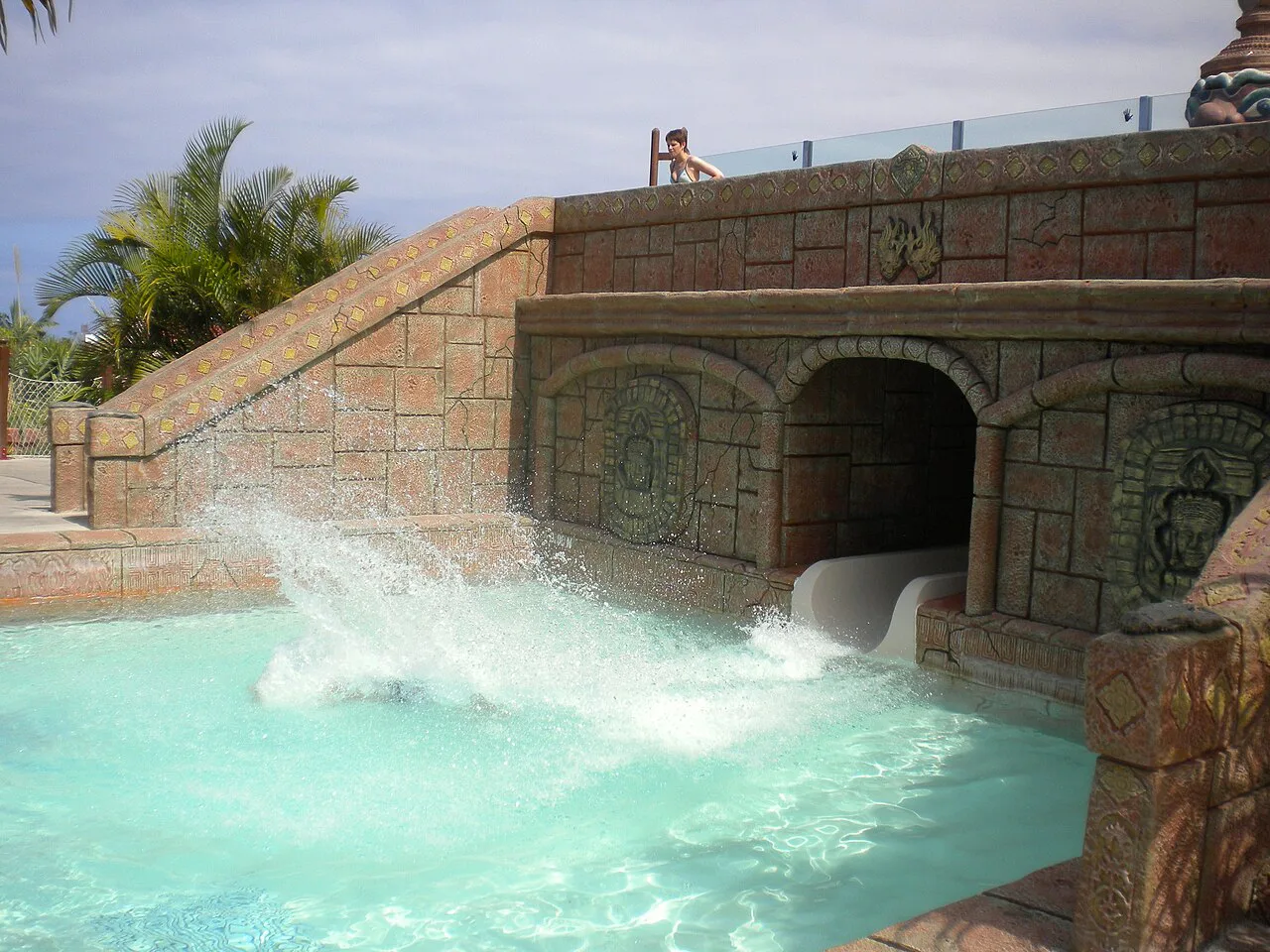
A brief shower at a water park is less disruptive than it sounds, because you are already wet and the park's slides keep running unless conditions are severe. The real problem with rain is the cold that comes with it: if air temperatures drop and the sun disappears, waiting in a wet swimsuit becomes uncomfortable fast. On a showery day, ride during the dry windows and use the wet ones for changing, eating or sheltering.
Sustained rain or storms are a different matter, and lightning in particular forces water rides to stop. If thunderstorms are forecast, plan your water-park day for a different date if your trip allows, and keep a dry-day option in reserve. Watches and warnings from official forecasters are the signal to act on, not a distant outlook.
Is a cloudy day still worth it?
Yes, generally: a cloudy day in Tenerife is usually still warm, and it can be more comfortable than full sun because the exposed walkways and queues are less punishing. Cloud also tends to keep some visitors away, which can mean shorter waits on the big slides. The trade-off is that without sun the air can feel cooler when you are wet, so keep a towel handy and plan breaks.
The cloudy day that is not worth it is the cool, windy, rainy one. Warm cloud is fine; cool wind plus rain is the combination that makes a water park a misery regardless of how good the rides are. If the forecast points to that combination, switch to a dry-day plan and come back when the sun returns.
Quieter days and school holidays
Crowds at Siam Park follow the same rhythm as most European parks: weekends, Spanish and international school holidays, and the peak summer weeks are busiest. Midweek days outside school holidays are usually the calmest, and that is when you get the most out of a morning arrival. Because Tenerife draws visitors year-round, there is no true off-season, but the shoulder weeks in late spring and early autumn are gentler than July and August.
If your dates are fixed by a school break, the answer is not to avoid the park but to plan around the crowds. Arrive for opening, head straight for the most popular slides, and use the quieter edges of the day for the wave pool and lazy river. Committing to a date early removes the scramble on the morning itself, and a date-specific ticket is the simplest way to lock in the day you want.
Seasonal events and late-season visits
Siam Park runs evening openings under its Siam Night branding, which change the feel of a visit entirely: cooler air, different lighting and a more relaxed pace than the daytime rush. These sessions suit couples and groups more than families with very young children, who may find the later hours tiring. Which evenings run changes through the season, so the park's official calendar is the place to fix your night.
Late-season visits have their own appeal. Autumn and winter days on the south coast can still be warm enough for water rides, and the park is generally quieter than in high summer. The trade-off is a higher chance of a rainy or windy day disrupting your plans, so late-season trips benefit most from keeping your park day flexible within the holiday.
Wet-weather alternatives nearby on the island
When the weather rules out water rides, Tenerife has dry-day options within easy reach of Costa Adeje. Loro Parque, in Puerto de la Cruz in the north of the island, is the best-known animal park on Tenerife and gives you a full day out that does not depend on sunshine. The catch is the drive: the north is a different climate zone, so it can be raining in the south and brighter in the north, or the reverse. The same rain-day logic applies to other parks in Spain, as our Tibidabo weather and rain plan guide shows for Barcelona.
Closer to the southern resorts, shopping centres, indoor attractions and spa afternoons fill a wet day without a long transfer. If your trip is short, building one flexible day into the itinerary is the simplest insurance: decide on the morning whether it is a water-park day or a dry one, and book accordingly. A short break built around the southern resorts keeps both options within a short taxi ride.
Getting there and what to do if the day turns
Siam Park sits in Costa Adeje, within easy reach of the main southern resorts. Local buses connect the park with the resort strips around Los Cristianos and the surrounding hotel areas, and staying in the south keeps transfers short, which matters most on days when you are deciding late whether to go.
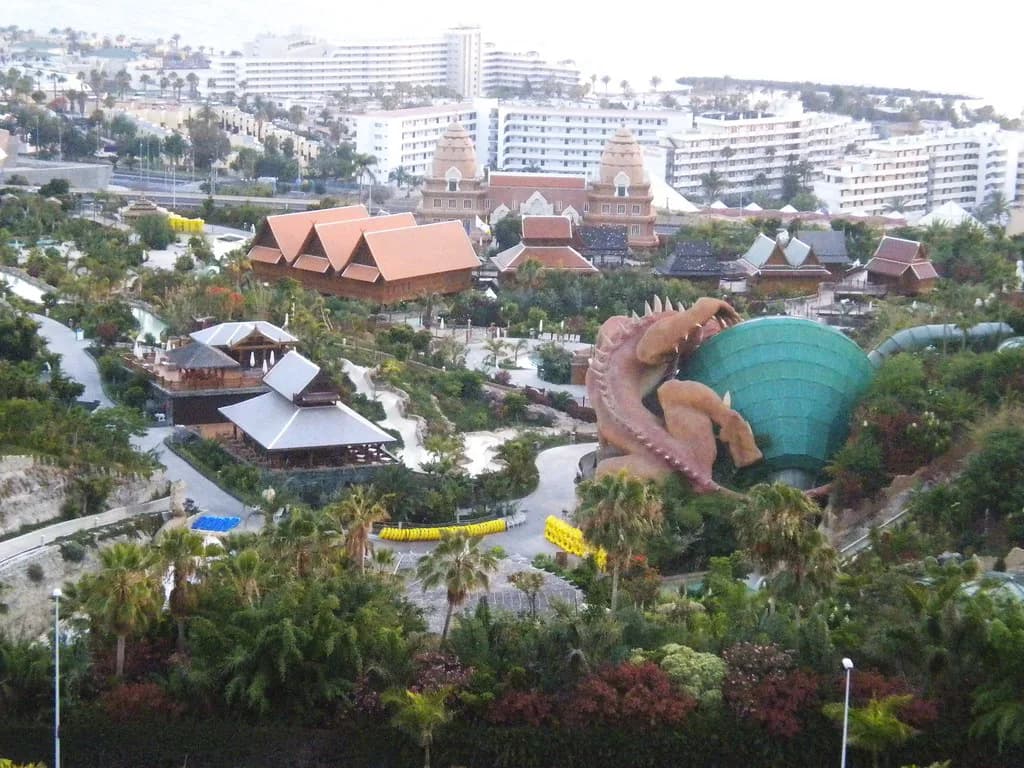
If the day turns after you have arrived, the sensible response is to shift your plan rather than abandon it: use the covered areas during a shower, eat while you wait, and keep an eye on whether the sun returns. Knowing the layout in advance lets you reorder your day on the fly, so read up on the park's areas and ride mix before you travel and have a rough plan B in mind.
Plan Your Visit
Siam Park's south-coast Tenerife setting gives it one of the most dependable climates of any European water park, with warm days possible across most of the year. The weather that actually changes your day is wind, cool rain and peak heat, and each has a practical response: ride the exposed slides when conditions are calm, keep a dry-day alternative in reserve, and pace yourself through the hottest hours. Decide your dates and ticket type early, then use the park's official calendar for live opening hours and a short-range forecast for the days around your visit.
Explore more Siam Park guides
Frequently Asked Questions
What is the weather usually like in Tenerife?
Tenerife is generally warm and sunny, especially on the south coast around Costa Adeje, where Siam Park is located. The north of the island is cloudier and wetter. Daytime temperatures are commonly in the low-to-mid twenties Celsius, with the warmest and most reliable conditions from late spring through early autumn.
Does it rain much in Tenerife?
Rainfall on Tenerife's south coast is modest compared with most of Europe, but it is not zero. Winter carries the highest chance of rain, and short showers can occur at other times of year. Checking a short-range forecast before your park day is more useful than relying on averages.
Is a cloudy day at Siam Park still worth it?
Usually yes, because a cloudy day in Tenerife is typically still warm, and the reduced sun makes the exposed walkways and queues more comfortable. Crowds can also be lighter. The exception is a cool, windy, rainy day, when a water park becomes uncomfortable regardless of the rides.
Which months are warmest in Tenerife?
July and August are generally the hottest months, with the highest temperatures and the busiest school-holiday crowds. Late spring and early autumn offer warm conditions with lighter crowds, which many visitors find the best balance for a water-park day.
What should I do if it rains on my Siam Park day?
A brief shower rarely stops the slides, so ride through the dry windows and shelter during the wet ones. If thunderstorms or sustained rain are forecast, move your park day to a different date if your trip allows and use a dry-day alternative such as Loro Parque in the north.
Sources
Notes for your next park day
Optional updates to our park guides.
You might also like
Continue reading
More guides you'll find useful