Lightwater Valley Accessibility: Carer Tickets & Facilities
Plan an accessible day at Lightwater Valley, from carer tickets and ride access to parking, arrival and the quieter corners of this Ripon family park.
On this page
Lightwater Valley is a family adventure park at North Stainley near Ripon, and it suits households that want a gentler day than the big thrill parks offer. Planning an accessible visit comes down to three decisions: which ticket you buy, how you arrange carer entry, and how you sequence the day once you are through the gate.
The park's ticket portal is the practical starting point for booking, because it lists the products on sale and the booking fee that applies at checkout. Sort your entry tickets first, then layer in any carer arrangement and the rest of the day around it.
Who the accessibility guidance suits
Lightwater Valley draws families with younger children, grandparents joining for the day and groups mixing ages, so accessibility planning here is mostly about walking distances, ride suitability and rest points rather than extreme ride hardware. Visitors with limited mobility, autistic children and adults who need a calmer pace all benefit from setting up the day in advance.
If you are weighing up which Yorkshire park fits your group, it helps to see Lightwater Valley as a compact, family-first alternative to the major thrill parks. Our Lightwater Valley guide covers the layout and headline attractions, while this page focuses on the practical access decisions.
How to approach the access pass before you book
Access schemes at UK parks usually combine a ride access product with a carer ticket, and the two are separate decisions: one controls how you queue, the other controls who pays. For a reference point on how these schemes tend to work, the Thorpe Park accessibility scheme pairs a Ride Access Pass for guests who cannot queue for long periods with free carer entry, which is the pattern most Merlin-operated parks follow. For the practical details, see the Thorpe Park accessibility.
Treat any access pass as a booking step, not something sorted at the gate: confirm the application route and any evidence requirement with the park's own team before you pay for tickets, so the day's plan does not rest on an assumption. Compare the schemes at other parks through our Alton Towers accessibility guide if you are choosing between venues.
Carer tickets and companion entry
The ticket portal is where Lightwater Valley's bookable products appear, and it is the place to look for carer or companion rates alongside standard admission. If a carer rate is not listed, contact the park directly before booking rather than buying two full tickets on the assumption it will be refunded later.
Families often need carer entry without any ride access product at all, for example when an adult is on hand to push a wheelchair or supervise but intends to ride alongside the group. Decide which of the two you actually need first, then book only that, since extra products add cost without changing how the day runs.
Ticket types and what they include
The park sells day tickets, group tickets and an annual Season Pass through its own portal, and the pass covers unlimited entry across the park's open days, including special events. For a single accessible visit a day ticket is usually the simplest choice; a pass only pays off if you plan several trips across the season.
Group tickets are worth a look for extended families or support groups travelling together, since the price per head drops when you book as a block. The portal lists a booking fee applied per transaction, so compare the all-in cost of one group booking against several individual ones before you commit.
Wheelchair access around the park
Paths, gradients and ride transfer arrangements vary across the site, so use the park map to plan a route that keeps walking between areas short and puts the rides you most want near the entrance. Our Lightwater Valley map breakdown shows how the areas connect and where the natural rest points sit.
Some attractions require stepping down into a ride vehicle or transferring from a wheelchair, and ride hosts make the final call on the day. Ask at the entrance to each ride before joining the queue so a transfer that is not possible does not cost you a long wait.
Rides for visitors with limited mobility
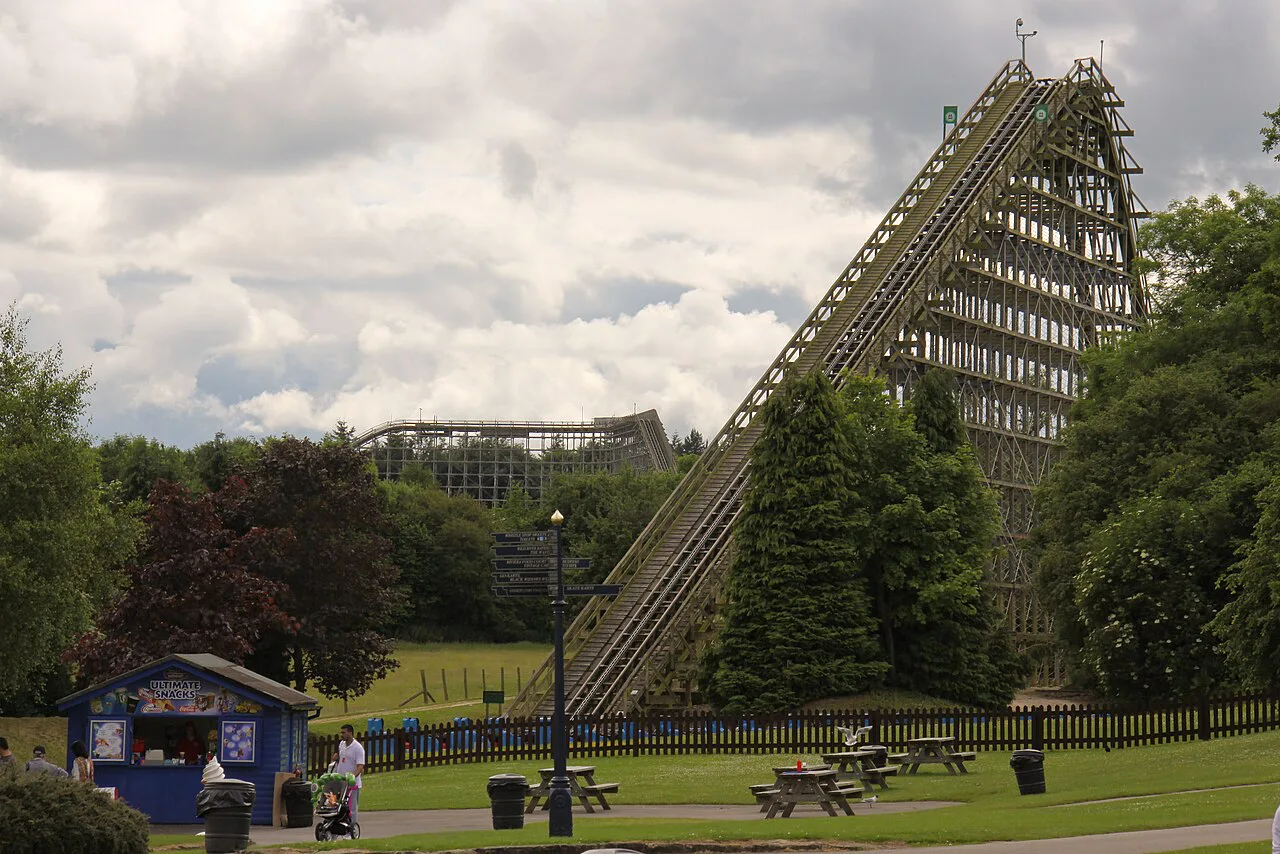
Plan the day around a small number of must-do attractions rather than a full circuit, because ambulatory visitors tire faster on repeated walks between areas. Family rides and gentle attractions generally involve less transfer than the larger thrill rides, which makes them the sensible backbone of an accessible day.
If part of your group wants the bigger rides, split up for a block of time and agree a fixed meeting point, so the visitor with mobility needs is not walking the whole park twice. The park's family-first character means there is usually something suitable to do while waiting.
Sensory needs and planning a calmer day
Lightwater Valley's scale works in your favour for sensory planning: a smaller site means fewer transitions between loud areas and a quicker route to a quiet corner when someone needs a break. Build two or three rest stops into the day rather than pushing through, and keep one in reserve for the afternoon when fatigue builds.
Halloween and other event periods bring scare attractions and heavier atmosphere, which suit some visitors and overwhelm others. Our Lightwater Valley weather and rain plan is useful for the same reason: it gives you an indoor or sheltered fallback when the day needs reordering.
Toilets, baby care and rest points
Accessible toilets and baby changing are standard provisions at family parks of this type, and the sensible approach is to note their locations on the park map at the start of the day rather than hunting for them later. Families with buggies and wheelchair users should identify the block nearest each area they plan to spend time in.
If you need a Changing Places facility, a hoist or specific equipment, raise it with the park before your visit so you know whether it is available and where. That single question saves a lot of uncertainty on the day itself.
Parking and arrival
Arriving by car is the default for most Lightwater Valley visitors, and the site sits in open countryside off the road network near Ripon. Aim to arrive ahead of the published opening time so parking and the walk to the gate happen without rushing a visitor with limited mobility.
Check live opening hours on the day through the official Lightwater Valley site or the park's app, since operating days vary through the season and event periods. Booking a dated ticket in advance also confirms the park is open on your chosen date before you travel.
Getting there without a car
Public transport to a rural North Yorkshire site usually means a train to the Ripon area followed by a taxi or bus for the final stretch, so build in a buffer for the connection. Confirm the last return service before you set off, because a missed connection matters more when someone in the group tires easily.
For groups travelling together, a pre-booked taxi or minibus from the station can be cheaper and simpler than coordinating several public services, and it drops you closer to the entrance. Price the options before booking park tickets so transport does not become the costly surprise.
Frightwater Valley and event days
The park runs a Frightwater Valley event in October, sold as its own ticket product through the portal, so it is a separate booking from a standard day ticket. Event days are louder and busier than regular family days, which matters if anyone in the group is sensitive to noise or crowds.
If you are visiting with a visitor who finds scare attractions difficult, plan the day around the non-scare parts of the park and use the event simply as the backdrop. A Season Pass covers event days for regular visitors who want to sample the atmosphere without committing a whole day to it.
Food, dietary needs and picnics
Dietary requirements are best sorted before the day: contact the park about specific needs if anyone in the group has allergies or avoids particular ingredients, rather than relying on a conversation at the counter. Park food outlets at family parks tend to be busiest around midday, so an earlier or later lunch keeps the day calmer.
A picnic gives families flexibility on timing and cost, and it pairs well with an accessible day because you can eat when energy dips rather than queuing for a table. Check the park's current picnic policy on the official site if you plan to bring your own food.
A sample accessible day
Start with the gentler family attractions near the entrance while the park is quiet, take a mid-morning rest, then tackle one bigger ride block before lunch. After eating, work back toward the exit area so the final hour is short on walking and you leave ahead of the main car park rush.
Keep the plan loose enough to drop a ride if someone needs to stop, and agree meeting points before splitting up. On a smaller site like this, a well-paced six-hour day usually beats a tightly scheduled one.
Plan Your Accessible Day
Sort the ticket and any carer entry first, then arrange ride access if you need it, then build the day around a short list of must-do attractions with clear rest points. That order keeps cost and logistics separate from the fun part of the planning.
Use the official Lightwater Valley pages for current opening hours and the park's own accessibility contact details before you travel, and check the ticket portal for the products on sale for your date. With those confirmed, the day itself is straightforward.
Explore more Lightwater Valley guides
- Lightwater Valley Rides
- Lightwater Valley Weather and Rain Plan
- Lightwater Valley Map
- Lightwater Valley Opening Times
- Hotels Near Lightwater Valley
- Lightwater Valley at Christmas
- Lightwater Valley Fast Track
- Lightwater Valley Food and Restaurants
- Lightwater Valley Halloween
- Lightwater Valley Height Restrictions and the Rides That Fit Each Age
- Lightwater Valley Water Park
Frequently Asked Questions
Does Lightwater Valley offer a carer ticket?
Carer and companion arrangements should be confirmed directly with the park, because the ticket portal lists the products on sale and carer rates are not always shown as a separate line. Contact the park before booking so you know exactly what to buy for your group.
How do I arrange ride access at Lightwater Valley?
Ask the park about its ride access arrangements before you pay for tickets, since access schemes normally require an application and often some form of evidence. Treat it as a booking step: confirm the route, then buy entry tickets knowing the access side is settled.
Are there quiet spaces for visitors with sensory needs?
Lightwater Valley is a compact family park, which makes finding a calmer corner easier than at larger resorts. Plan rest stops into the day and keep one in reserve for the afternoon, and plan differently around Halloween event days when scare attractions add noise.
What ticket should I buy for an accessible visit?
A standard day ticket covers a single visit, while group tickets suit extended families and the Season Pass covers unlimited entry across open days including events. Decide how many visits you will realistically make before choosing a pass.
When is the park open?
Operating days vary through the season and around events, so check the official Lightwater Valley site or app for live hours before you travel. Booking a dated ticket in advance also confirms the park is open on your chosen day.
Is Frightwater Valley included in a normal ticket?
Frightwater Valley is sold as its own ticket product through the park's portal, so it is a separate booking from a standard day ticket. Season Pass holders should check what their pass covers for event days before travelling.
Sources
Notes for your next park day
Optional updates to our park guides.
You might also like


Continue reading
More guides you'll find useful