Legoland Deutschland Weather: Rain, Wind and Heat Plan
Rain, wind and heat shape a day at Legoland Deutschland. See how weather affects rides, indoor attractions and which months to book for.
On this page
Legoland Deutschland sits in Bavarian Swabia outside Günzburg, where the weather swings from frosty winter mornings to humid summer afternoons with thunderstorm risk. A park day here rewards planning around the forecast rather than against it. This plan covers how rain, wind and heat reshape a visit, which parts of the park keep a wet day moving, and how to choose a ticket and hotel when the weather is uncertain.
The starting point is the regional forecast. Günzburg forecasts show a typical autumn pattern of roughly 10-14°C days, rain bands, and winds that reach around 20 km/h, which is a useful benchmark for how exposed rides behave.
How weather shapes a day at Legoland Deutschland
Weather at Legoland Deutschland rarely cancels a day; it rearranges it. The park mixes outdoor coaster-style rides, water play and dark rides with covered shows and indoor builds, so a wet morning usually means shifting your first two hours indoors and saving the big outdoor rides for a drier window.
Wind matters more than most visitors expect. The flat, open setting around Günzburg lets gusts build, and regional forecasts show gusts of 35-50 km/h during autumn low-pressure systems, which is the kind of day when tall, exposed rides are most likely to be paused.
The official calendar and park app are the two places to confirm opening hours, ride availability and any weather-related changes on the day. Everything else in this guide is about stacking the odds in your favour before you arrive.
Typical weather by season in Bavarian Swabia
Bavarian Swabia has a continental pattern: cold, often grey winters; warm summers with afternoon thunderstorms; and long, changeable shoulder seasons. Late October into early November typically brings highs of roughly 10-14°C and lows in the low single digits, with rain on a good share of days, so waterproof layers matter more than umbrellas that invert in the wind.
Summer afternoons are the other extreme. Heat builds through the middle of the day and storm cells can arrive late afternoon, which is why the strongest ride strategy is to front-load outdoor coasters in the morning and keep indoor options in reserve for the 14:00-17:00 window.
Spring and autumn are the sweet spot for comfortable temperatures but the least predictable. Build a three-day buffer around your visit if you are travelling from the UK or further afield, and book the flexible elements — hotel and ticket — accordingly.
Rain: which attractions keep a wet day moving
When rain sets in, the priority is staying dry without standing still. Legoland parks typically include indoor build zones, 4D cinema-style shows and covered play areas, and these absorb a wet hour or two far better than queuing on exposed walkways for an outdoor ride that may be paused anyway.
The more useful habit is to treat rain as a signal to move between lands rather than to stop. Walk the Legoland Deutschland map in advance and mark one indoor anchor near each cluster of outdoor rides, so when a shower hits you are always within a short walk of cover.
Dining is part of the wet-weather plan. Covered restaurants and snack points fill quickly when showers sweep through, so eating slightly before or after the standard noon rush keeps you out of the queue and out of the rain.
Wind and storms: how exposed rides are affected
High wind is the weather condition that most disrupts a park day, because operators pause tall rides as a safety measure. Regional autumn forecasts for the Günzburg area regularly show gusts in the 35-50 km/h range, and those are exactly the days to expect the most exposed rides to be held.
Storm days stack wind and lightning together. When thunder is forecast, assume outdoor rides will suspend for an extended window, and build your day around the covered and indoor attractions rather than waiting in the rain for a reopening. The Legoland Deutschland rides pages are a good place to note which headline rides are most exposed to weather.
Check the official park app at the gate for the day's operational notices. Ride closures are the park's call, and the app states them in real time; a bright morning can still follow a windy night that changed the morning's plan.
Heat and sun: shade, water play and pacing the afternoon
Summer heat at Legoland Deutschland is manageable with a pacing plan. The strongest approach is to ride outdoor attractions in the first two hours after opening, take a long indoor or water-play break through the middle of the day, and return to coasters in the late afternoon when the sun drops and queues thin out.
Water play features are the obvious midday release for children, and they work best combined with a lunch under cover and a slower couple of hours after it. Topping up water bottles and reapplying sun protection between rides is a small habit that keeps the day from turning into a race for shade.
Southern Bavaria can produce sudden heavy showers and thunderstorms after hot afternoons, so build a fallback: if the sky darkens after a hot morning, shift to indoor attractions before the rain arrives rather than during it.
Indoor and covered attractions for poor weather
Legoland's indoor lineup is broader than a single rainy-day ride. Covered build zones and hands-on play areas let children settle for a stretch, theme rides and shows provide a two-hour block that is entirely weatherproof, and shops and restaurants give you a dry place to wait out a short shower.
Treat the indoor attractions as your fixed points. Pick up the Legoland Deutschland map at the entrance and decide, before the first ride, where you will retreat for rain, where you will pause for heat, and where you will eat; that turns a disrupted day into a rerouted one.
If your group is split between children and thrill-seekers, the indoor areas double as a meeting base while the coaster riders chase a dry window. Fix a meeting time every two hours at a covered central point, and no one spends the shower waiting alone.
Which lands suit young children when it rains
Families with young children often do best leaning into the imagined lands and junior rides nearest the entrance, because they cluster indoor and outdoor options within short walks. When a shower hits, you can step into a covered play or build area without crossing half the park.
For smaller children, the realistic wet-day plan is fewer rides, more building and more shows, with one or two outdoor favourites saved for the first dry patch. Put the favourite junior ride first in a dry morning, and your child has had the day they came for even if it rains all afternoon.
The LEGO-themed lands are also easier for tired little legs than the far corners of the park. Keep the loop short on wet days, use the stroller to move quickly between covered areas, and accept that five good activities beat ten interrupted ones.
Thrill rides and how ride order changes with the forecast
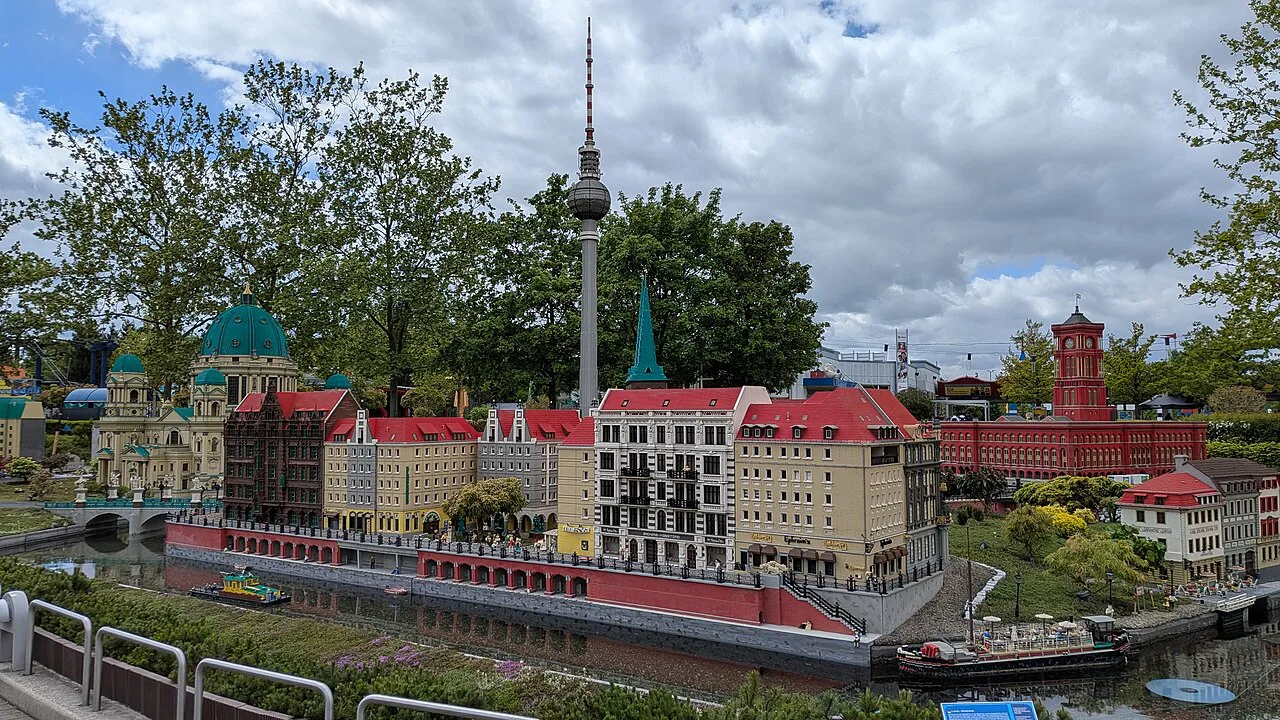
Thrill-seekers should decide the headline coaster order the night before, using the forecast rather than arriving and hoping. On a day with a dry morning and afternoon storms, ride the most exposed, highest-thrill attractions at opening; on a windy day, start with the coasters most sheltered from the wind and move to exposed rides only once the gusts ease.
Rain changes ride behaviour in subtler ways too: wet tracks, standing water and slick walkways all slow throughput, so even open rides take longer. If the forecast is marginal, it is more efficient to collect a few rides in a calm early window than to spread the same rides across an unsettled afternoon.
Legoland Deutschland is an operator where the ride lineup is published per height and age, so a quick look at the Legoland Deutschland rides list, alongside the Legoland Deutschland guide, lets you match your group's thrills to what is plausible on the day's conditions.
Ticket types and dated versus flexible tickets for uncertain weather
Uncertain weather makes one ticket decision matter more than any other: how fixed your visit date is. Dated tickets are usually cheaper for a specific day, while flexible options cost more but let you move the visit if a storm is forecast midweek. Compare the Legoland Deutschland ticket options against your travel flexibility before you book, and the weather question answers itself.
For a visit planned around a school break, the split is different: book the dated ticket for the day you want and accept the weather, because the flexibility premium rarely pays off inside a fixed holiday week. If you are a local or frequent visitor, a season pass removes the problem entirely and lets you come back on the next dry day.
Family tickets and children's pricing add another layer — always buy children's tickets at the correct age band rather than overpaying for an adult ticket. The tickets and prices page sets out what each Legoland Deutschland ticket type includes so you are comparing like with like.
Fast-track products and when they pay off on wet or busy days
Fast-track on a wet or disrupted day is a trade-off: it saves queuing time, but it cannot save a ride that has been paused by weather. Buy Legoland Deutschland fast track when a busy date coincides with a shower-prone forecast and the queues are the real cost of the day, not the weather itself.
On a genuinely stormy day the better spend is often the simpler pass that lets you revisit a favourite selection of rides, combined with an early start. The fast-track guide explains which products cover which rides, so you can judge whether a limited pass lines up with the rides you actually want on a short, wet day.
Season pass holders should check which queue-jump benefit their pass already includes before paying twice; annual-pass extras often cover a single ride per visit, which on a wet day may be all you need.
Official hotels and what a rainy short break looks like
Staying on site takes the sting out of a wet forecast. The Legoland Deutschland hotels and holiday village put you a short walk from the gate, so you can leave the room at a shower's notice rather than driving through it, and a rainy afternoon becomes a pause in the room rather than a day written off.
A rainy short break works best as two half-days rather than one full one. Use a wet morning for indoor attractions and shows, return to the hotel for warmth and lunch, and take the late-afternoon dry window for outdoor rides when the park empties.
Check what your hotel rate includes — breakfast, any early-entry window and parking — before comparing it with a Günzburg hotel. On a wet trip, the on-site stay's real value is the short, dry walk back; a cheaper hotel across town has to be weighed against wet car parks and tired children.
Getting there by train, bus and car from Günzburg, Ulm and Munich
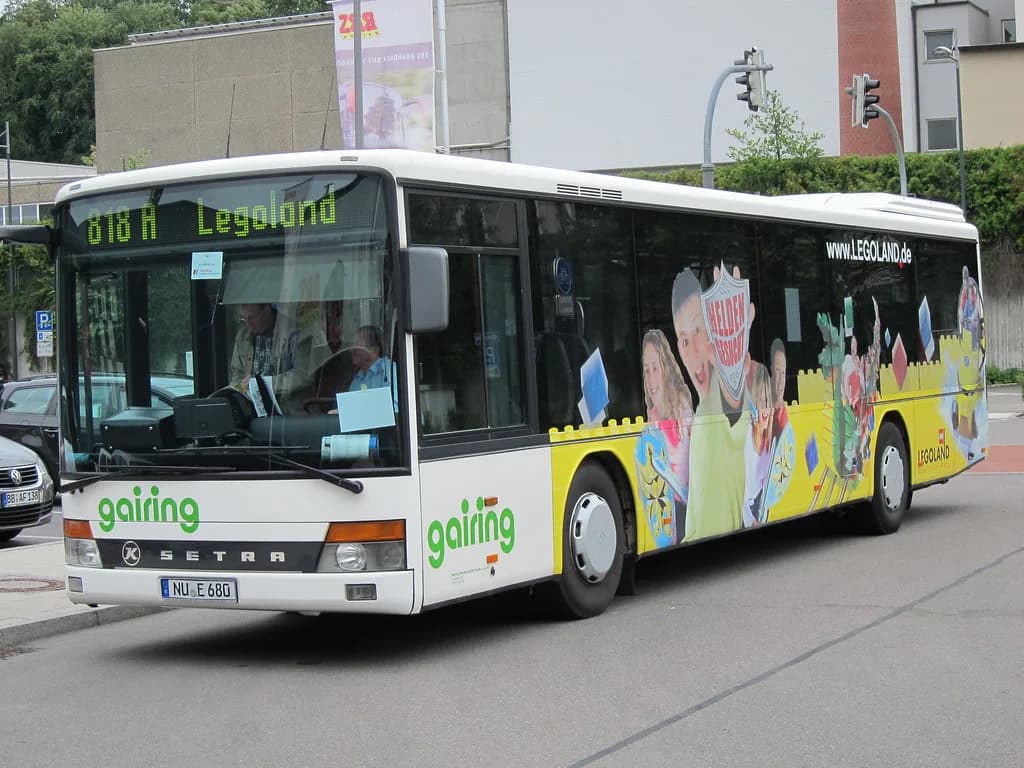
Günzburg is the transport hub for Legoland Deutschland. It sits on the main railway line between Ulm and Augsburg, so trains from both connect quickly to the town, and a local bus or short taxi ride carries you from the station to the park gate.
From Munich the realistic route is the train to Günzburg, typically a little over an hour on the fast services, followed by that local connection. Coming by car from Ulm or Augsburg is a straightforward motorway run, but allow extra time on wet days when motorway spray slows traffic.
A wet arrival is where car travel has the edge, since you stay under cover from the car park to the entrance. Rail travellers should layer for the walk from the station to the bus stop, because the transfer is the one stretch of the journey without cover.
Parking, food options and picnic rules
Driving visitors pay for parking on the day and then walk to the gate; on a rainy morning, park as near the entrance as you can and accept that the car is a wet-weather base for the day. The official site states the current parking charge, and it changes with the season, so check it while you book your tickets.
Food options inside the park span quick service and sit-down restaurants, with the sit-down rooms the better choice on a wet day because you can wait out a shower over a hot lunch. Families on a budget usually plan one main meal inside and top up with snacks and packed food between rides.
Picnic rules are worth checking before you pack a full hamper: the official site sets out what food and drink can be brought in, and on cold wet days a covered picnic area is not something to count on. If you plan to bring food, plan to eat it in the car or find cover early.
Accessibility schemes and rider swap on wet days
Accessibility arrangements at Legoland Deutschland allow guests who cannot queue in the standard line to use an alternative process, usually arranged at guest services on arrival. Wet days make this more valuable, because covered waiting space is in demand and the standard queues are the least comfortable part of the park.
Rider swap lets parents take turns on a ride while one stays with a child who is too small or unwilling. On a wet or cold day it saves double queuing, and it works best when you ride in pairs while the other adult waits somewhere covered with the little ones.
Guest services is also where you ask about baby care and changing facilities, which on a wet day become an important indoor base. Pick the location up on the Legoland Deutschland map at the gate and you have a dry meeting point for the whole day.
Quieter versus busier days and school holiday patterns
Crowd levels at Legoland Deutschland track the Bavarian school calendar far more than the weather. Weekdays in term time are the quietest, German school holidays and weekends are the busiest, and a wet weekday is often emptier than a dry holiday Saturday — a point in favour of the flexible ticket.
For UK visitors, the Easter and late-October half-terms overlap with German breaks, so expect the busiest conditions then. If your dates are fixed, plan the ride order carefully and arrive for opening; if they are not, aim for a term-time weekday in late spring or early autumn when the forecast is decent and the park is calm.
Bridging this with neighbouring parks helps if your leg is weather-dependent. Heide Park weather in Lower Saxony and Phantasialand weather in North Rhine-Westphalia show the same patterns further north, and both parks have their own guides if you are weighing a second stop.
Halloween and Christmas events and how weather affects them
The autumn Halloween season and the winter Christmas season are the two dates where weather can define the visit. Late-October evenings are cold and often wet, so the Legoland Deutschland Halloween event rewards a waterproof layer and a plan to warm up indoors between scare zones and shows.
The Christmas season is the opposite problem: short daylight and low temperatures make the outdoor parts of the park slow going after sunset, so plan indoor breaks around the lights and market-style food. The Legoland Deutschland Christmas guide sets out the event features, and the official calendar confirms which dates are running.
For both events, the event page and the official calendar are the places to see the current season's ranges; dates shift year to year, so book against the published calendar rather than last year's dates.
Using the official calendar and forecast before booking
The final planning step is a 7-10 day forecast check before you commit a dated ticket or a hotel. The Met Office offers a European city forecast service that covers German destinations well, and the Günzburg weather page shows the next two weeks in daily detail.
Match the forecast to your ticket type. A stable, dry forecast lets you take the cheaper dated ticket; a marginal one argues for flexibility; and a forecast you would not buy a dated ticket for is the cue to shift the whole trip by a few weeks instead of gambling on the day.
On the day itself, the official calendar and app give the hours, ride availability and any last-minute changes. Book the rest of the trip around a forecast you can actually trust, and the weather stops being the thing that decides your day.
Plan Your Visit
The winning formula for Legoland Deutschland is a three-part plan: a stable forecast, the right ticket type for your flexibility, and a ride order that starts outdoors and ends indoors. Check the official calendar the night before for hours and any notices, then arrive at opening ready to move with the weather rather than against it.
If you are booking a short break, anchor the trip with the Legoland Deutschland hotels and holiday village options, compare them on the Legoland Deutschland tickets page, and keep a wet-weather half-day in reserve; on a continental forecast, that half-day is usually the difference between a good trip and a frustrating one.
Explore more Legoland Deutschland guides
Frequently Asked Questions
What is the weather like at Legoland Deutschland through the year?
Bavarian Swabia runs on a continental pattern, with cold winters, warm summers that can build into afternoon thunderstorms, and long, changeable spring and autumn seasons. Late October into early November usually sits around 10-14°C by day with rain on a fair share of dates, while summer mornings are the most reliable window for outdoor rides. A regional forecast for Günzburg gives the clearest picture for your dates.
What happens at Legoland Deutschland when it rains?
Rain rearranges a day rather than cancelling it. Covered build zones, shows and indoor play areas keep the visit moving, and the sensible approach is to shift your first hours indoors and save outdoor coasters for a dry window. Wet tracks and slick walkways can slow throughput even on rides that stay open, so plan fewer outdoor rides and more indoor stops on a wet day.
Do rides close at Legoland Deutschland in high wind?
Tall, exposed rides are the first to be paused when wind picks up, because operators treat gusts as a safety matter. Regional autumn forecasts for the Günzburg area often show gusts in the 35-50 km/h range, and those are the days to expect holds on the most exposed attractions. The official park app carries the live operational notices on the day.
Which Legoland Deutschland attractions are indoors?
Indoor build zones, hands-on play areas, themed rides and cinema-style shows give you a weatherproof block of two hours or more, alongside shops and restaurants for shorter showers. Pick one indoor anchor near each cluster of outdoor rides so a shower never leaves you far from cover. Check current details for the indoor lineup and any closures.
When is the quietest time to visit Legoland Deutschland?
Term-time weekdays are the calmest, while German school holidays and weekends fill up regardless of the forecast. A wet weekday can still be quieter than a dry holiday Saturday, which makes a flexible ticket worth considering. UK half-terms in Easter and late October overlap with German breaks, so those dates run busy.
How do I get to Legoland Deutschland by train?
Günzburg is the rail hub, sitting on the main line between Ulm and Augsburg, with Munich services taking a little over an hour on fast trains. From Günzburg station a local bus or short taxi ride finishes the journey to the gate. Allow extra time on wet days and layer for the uncovered walk between station and bus stop.
Are there Halloween and Christmas events at Legoland Deutschland?
The park runs an autumn Halloween season and a winter Christmas season, both shaped heavily by the weather. Late-October evenings are cold and often wet, so waterproof layers and indoor warm-up breaks matter, while the Christmas season shortens daylight and slows the outdoor parts of the park after sunset. The official calendar lists the current season's event dates.
What ticket should I buy if the weather might change?
Start with how fixed your date is. A dated ticket is the cheaper route when you know the day and the forecast looks stable, while flexible options cost more but let you shift the visit if a storm is forecast. Inside a fixed school holiday week, the flexibility premium rarely pays off, so book the dated ticket and build an indoor plan instead.
Sources
Notes for your next park day
Optional updates to our park guides.
You might also like
Continue reading
More guides you'll find useful